

Planting Seeds - Food & Farming News from CDFA

Governor Newsom announces more than $23 million to increase access to farm-fresh food for CalFresh, WIC, and Senior Farmers’ Market Nutrition Program recipients

News Release – Office of Governor Newsom

What you need to know: California is investing $23 million to help connect California grown fresh food to Californians who qualify for CalFresh, WIC, and Senior Farmers Market Nutrition Programs.
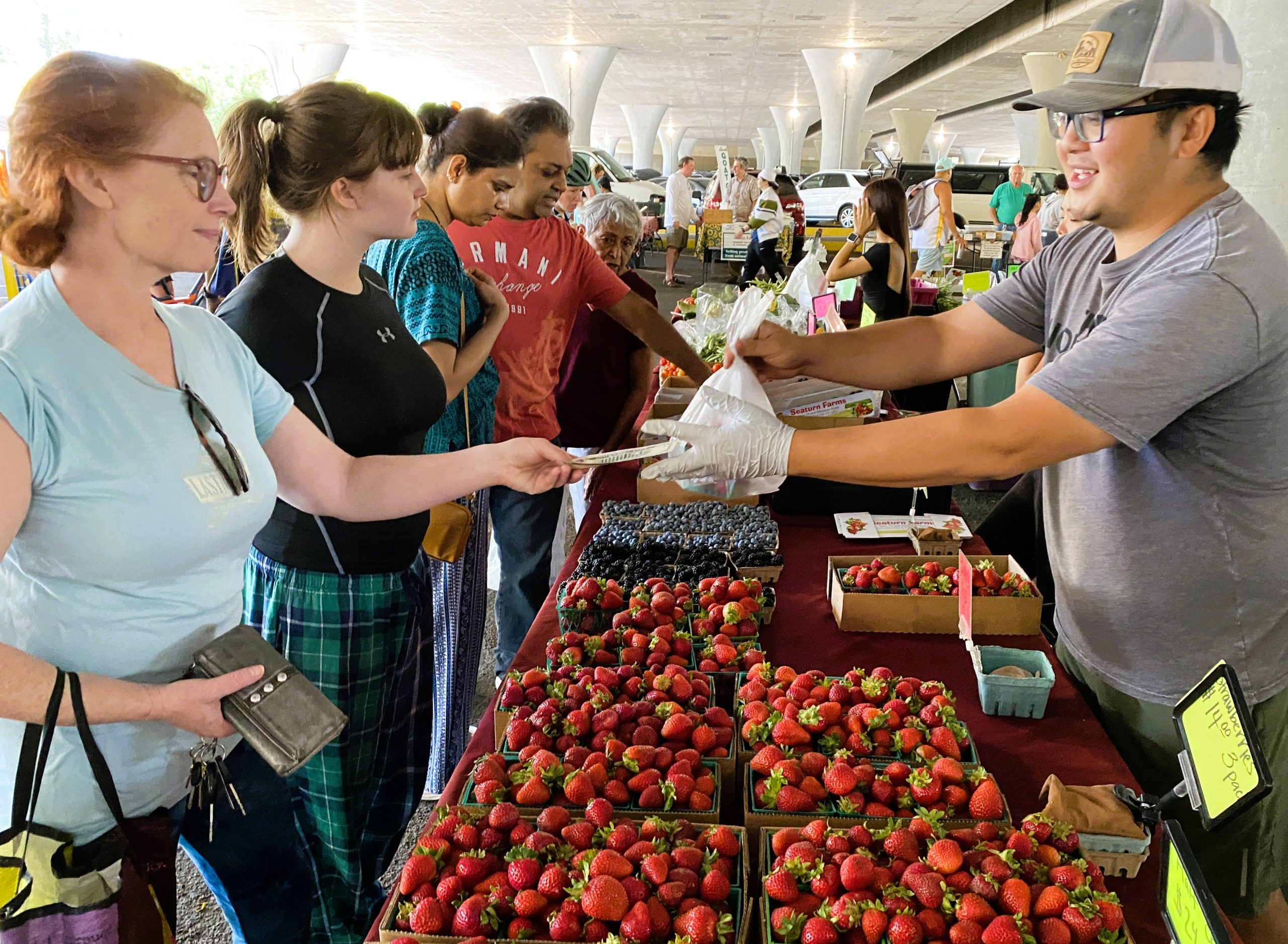
Local strawberry farmer selling directly to consumers at certified Farmer Market – Downtown Sacramento (8th and W Streets)

Governor Newsom today announced that California is continuing its national leadership in bringing fresh and healthy California grown fruits and vegetables to tables across the golden state. Through the California Department of Food and Agriculture (CDFA) Office of Farm to Fork, California is connecting locally grown food to eligible Californians who qualify for benefits through the CalFresh, Women Infants and Children (WIC), and Senior Farmers Market Nutrition Programs. 

California continues stepping up to ensure that every Californian has access to locally grown fruits and vegetables. We’re supporting our farmers, strengthening local markets, and connecting families with fresh, nutritious produce—improving health outcomes while keeping food dollars in our communities.
Governor Gavin Newsom

As the country’s top agricultural producer and creator of the nation-leading Farm to School program, California is proud to continue expanding access to our nutritious fruits and vegetables for kids and families across the state. We are thrilled to invest in the Golden State’s farmers and communities to ensure everyone has the opportunity to eat healthy and every kid has the best start in life.
First Partner Jennifer Siebel Newsom

Connecting farmers to families 

The state’s investments empower eligible Californians to increase their consumption of fresh fruits and vegetables. CalFresh shoppers can benefit from the program simply by spending their benefits at participating Certified Farmers Markets throughout the state and other retail outlets. For every dollar spent by eligible Californians, they will receive an additional dollar that can be spent on fruits and vegetables at the market or retail outlet, within set parameters, increasing their ability to purchase and consume healthy, California-grown fresh fruits and vegetables for themselves and their families. The projects will also support California’s vibrant farming communities selling at participating markets. 

California’s investments help address food insecurity among low-income Californians while simultaneously supporting and expanding markets for California farmers. Past investments have been shown to have a positive effect on the local economy, with every dollar in incentives generating three dollars in local economic activity.

Incentivising Farm-to-Fork 

California is distributing approximately $21.5 million to increase the purchase of California-grown fresh fruit and vegetables by CalFresh shoppers at 12 projects across the state. Current nutrition incentives support CalFresh shoppers at more than 280 locations throughout California.

Awards will allow grantees to sustain incentive distributions and benefit the farmers and shoppers participating in the program at 303 participating Certified Farmers’ Markets, Community Supported Agriculture programs, mobile markets and small retailers across California through spring 2027. The 12 grantees range in location, size and operations.

Across the state, the Office of Farm to Fork’s investments are connecting Californians to locally grown affordable food, while the Ecology Center works with over 50 organizations and operates at over 290 Certified Farmers’ Markets in 38 counties.

An additional 11 projects will receive $1,700,000 in total grant awards from the Special Supplemental Nutrition Program for Women, Infants and Children Farmers’ Market Nutrition Program (WIC FMNP) and the Senior Farmers’ Market Nutrition Program (SFMNP).

10 of the grantees will distribute nutrition incentives and provide technical support at 121 Certified Farmers’ Markets in the following 19 counties across California: San Diego, Riverside, Los Angeles, San Mateo, Santa Clara, Marin, San Francisco, Alameda, Contra Costa, Napa, Sonoma, Solano, Mendocino, Lake, Butte, Siskiyou, Humboldt, Lassen and Modoc. One grantee will focus solely on providing technical assistance for WIC FMNP and SFMNP nutrition incentives that utilize electronic FMNP Farmers’ Market Cards at nine certified farmers’ markets in the Bay Area. A detailed list of grantees and project descriptions for the 2026 CNIP Expansion Grant is available on the CNIP webpage.

CNIP is administered by CDFA’s Office of Farm to Fork, which leads CDFA’s food access work.

Building on California’s success fighting hunger with access to healthy food 

  • In 2025, more than 4 million California children received SUN Bucks food benefits via EBT cards, with each eligible child receiving $120 in food benefits.
  • California was the first state to implement a statewide Universal Meals Program for schoolchildren, providing all public TK-12 students access to two free meals per school day, regardless of income. California’s Farm to School program, championed by First Partner Jennifer Siebel Newsom, works in tandem with Universal School Meals to ensure California students have access to two free school meals that are locally-sourced, delicious, and nutritious.
  • In October 2025, Governor Newsom signed a landmark law phasing out the most concerning ultra-processed foods from school meals in California – protecting children’s health and setting higher nutrition standards across the state. 
  • Governor Newsom previously signed AB 418 (Asm. Gabriel, 2023) and AB 2316 (Gabriel, 2024), banning four potentially harmful chemical food additives from products sold statewide, including red dye 3 and brominated vegetable oil, which is often used as a stabilizer in citrus-flavored beverages, and prohibiting schools from serving and selling foods containing synthetic food dye additives associated with risks to health harms in children, including cancer, damage to the immune system, and neurobehavioral issues. The federal government and numerous states have taken similar actions following CA’s lead.
  • In 2024, Governor Newsom signed a legislative package to increase enrollment in state food assistance programs, reduce youth consumption of processed foods, and increase access to healthy, locally grown food in all California communities.
  • In 2023, California became the first state to codify President Biden’s new federal guidelines on school nutrition standards to reduce sugar and salt in school meals, and established a process for California to maintain those standards should a different federal Administration lower the standards.

Posted in Uncategorized | Leave a comment

CDFA connects California businesses with global buyers

As the nation’s leading agricultural producer and exporter, California offers a diverse range of healthy, sustainable, and high-quality foods to the global marketplace. Working collaboratively with trade partners throughout the state, CDFA is supporting a number of programs and events to make business connections and explore foreign markets.

Meet with Foreign Buyers
CDFA, in partnership with the Western U.S. Agricultural Trade Association (WUSATA), will host one-on-one meetings with more than 20 buyers from India, Japan, South Korea, and Southeast Asia during the “Best of the West” inbound trade mission. Events will take place in San Francisco (April 14)Fresno (April 16), and Los Angeles (April 17).

Learn How to Export
CalAgX+ is an export accelerator designed to help export-ready specialty crop companies expand in international markets. The next session begins May 19, with a focus on dried fruit and nut companies. In-person classes will be offered in Chico, Modesto, and Bakersfield in partnership with the California Center for International Trade Development.

Access Market Development Funding
Through WUSATA’s FundMatch program, companies can access support for international marketing activities—from trade shows to retail promotions and advertising. Learn more and connect with the team at upcoming events in Oakland, Fresno, and San Diego the week of March 23.

Explore New Markets
Join a free March 31 webinar highlighting opportunities in Egypt, one of Africa’s largest economies and a growing market for California exports. Representatives from the U.S. Embassy in Cairo will provide insights on demand for products including tree nuts, dairy, cotton, and processed vegetables.

Posted in Trade | Tagged , , | Leave a comment

Food Safety: FDA releases initial findings of 5-year CA Central Coast environmental study, highlighting benefits of government and industry collaboration

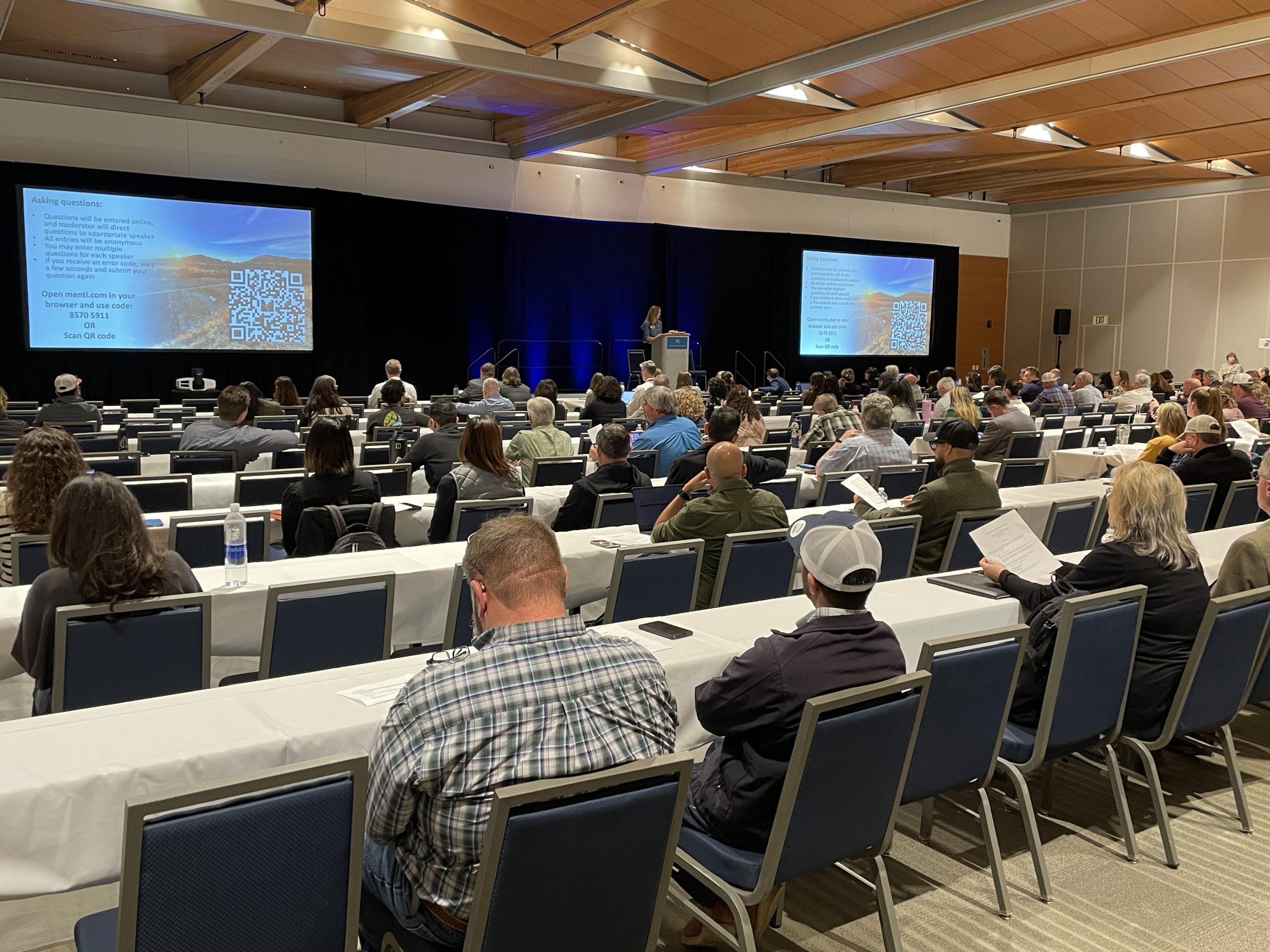
CDFA Inspection Services Division Director and California Agricultural Neighbors (CAN) co-lead Natalie Krout-Greenberg welcomes stakeholders.

The California agriculture industry continues to demonstrate that science and partnerships are the cornerstones of advancing food safety.

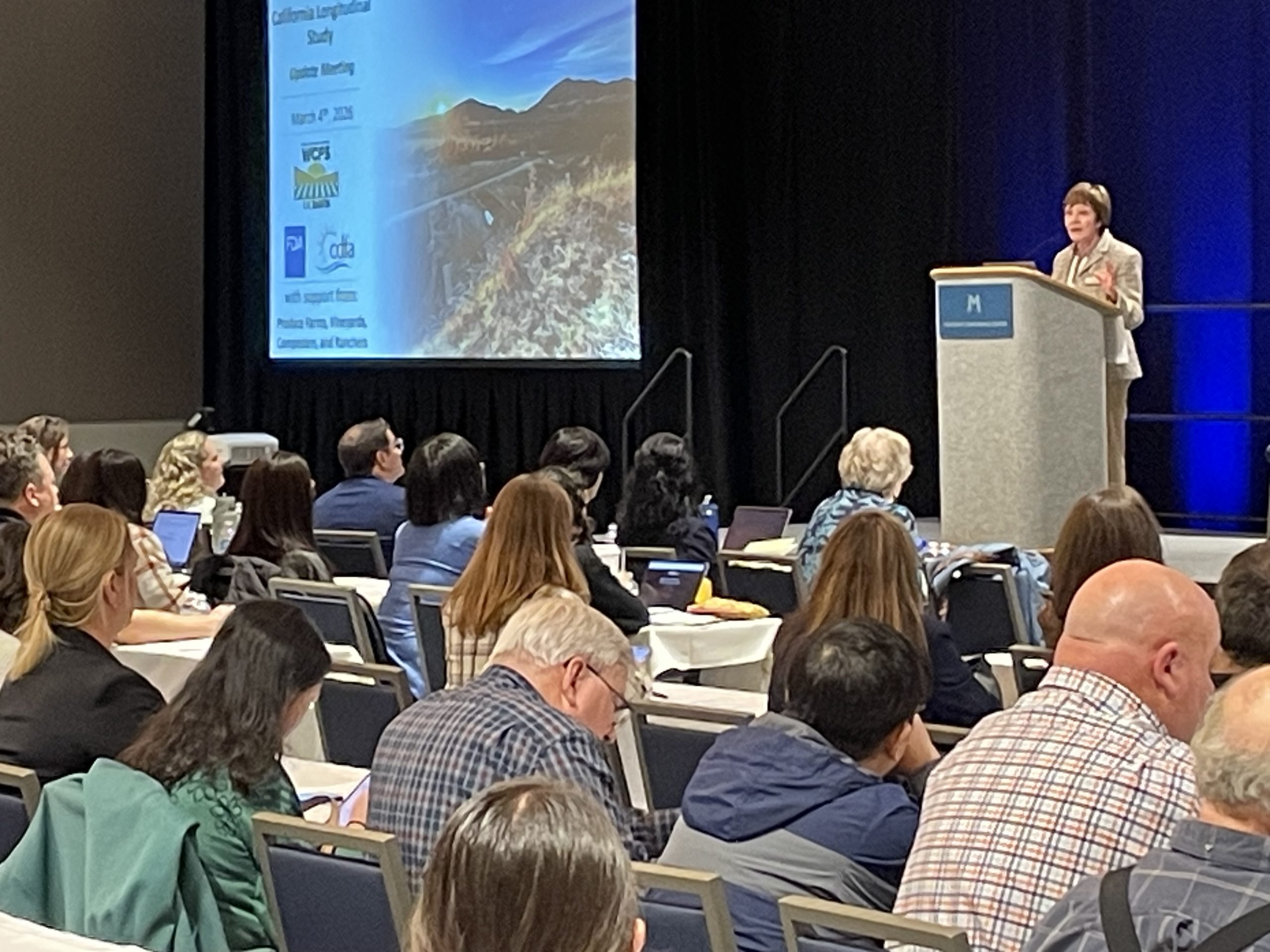
In April 2021, CDFA Secretary Karen Ross called for industry participation to help solve recurring food safety incidents. This action followed a number of leafy green outbreaks between 2018 and 2020 that were traced back to the California Central Coast growing region and linked to a unique isolated strain of E. coli O157:H7. In response, the U.S. Food and Drug Administration (FDA) and Western Center for Food Safety at UC Davis launched a five-year California Longitudinal Study (CALS) in coordination with CDFA, highlighted as part of the FDA Leafy Greens STEC Action Plan. The CALS study aims to understand environmental factors that may pose risks to food safety in the growing environment.

Today, FDA released a constituent update reflecting progress and initial findings of this five-year research study. This is the largest, most comprehensive sampling study conducted in the Central Coast growing region to date. Outcomes of the research are consistent with historical scientific literature and offer insights that the current food safety regulations, metrics and practices are effective when implemented consistently and judiciously. Additionally, with this emerging body of environmental data, California agriculture will explore new, innovative ways to focus on prevention measures for continuous improvement of food safety.

CDFA Secretary Karen Ross sets the stage for researchers’ presentation of initial findings from the California Longitudinal Study (CALS).

“Produce safety is a shared commitment across the entire supply chain,” said CDFA Secretary Karen Ross. “The California Longitudinal Study is the result of our public and private sectors working together to advance science-based practices, improve transparency and reinforce consumer trust. It’s all part of California agriculture’s essential mission of feeding the United States and beyond safely, sustainably and reliably. Initial findings verify that the actions we’re taking in the Central Coast region to enhance food safety are moving us in the right direction, and we are committed to maintaining this focus.”

California’s produce industry continues to make significant strides through improvements in food safety risk education and on-farm practices, led by coordinated efforts among government, academic institutions and industry associations. Ongoing training, inspections and audits, data sharing and innovative technology help ensure that fresh fruits and vegetables reach consumers safely. Equally important are the ongoing partnerships forged through California Agricultural Neighbors (CAN), which began in 2021. CAN is a locally led, locally convened group that brings together diverse agricultural stakeholders across the Salinas Valley to explore and reinforce where food safety advancements, rooted in One Health principles, can be discussed, fostered and implemented. One Health is a collaborative, multidisciplinary, systems-thinking approach that recognizes the health of people is interconnected to the health of animals, plants, and our shared environments.

“As stewards of the land and the food system, members of CAN know the significant responsibility inherent in feeding a nation and recognize that food safety and food security are fundamentally interconnected,” said Natalie Krout-Greenberg, director of CDFA’s Inspection Services Division and co-lead of CAN. “Stakeholders engaged in CAN remain committed to advancing produce safety through continued collaboration, shared learning, adaptive practices, and sustained collective commitment.

Posted in Food Safety | Tagged , , | Leave a comment

Horticulture Census: California leads national sales with $3.07 billion

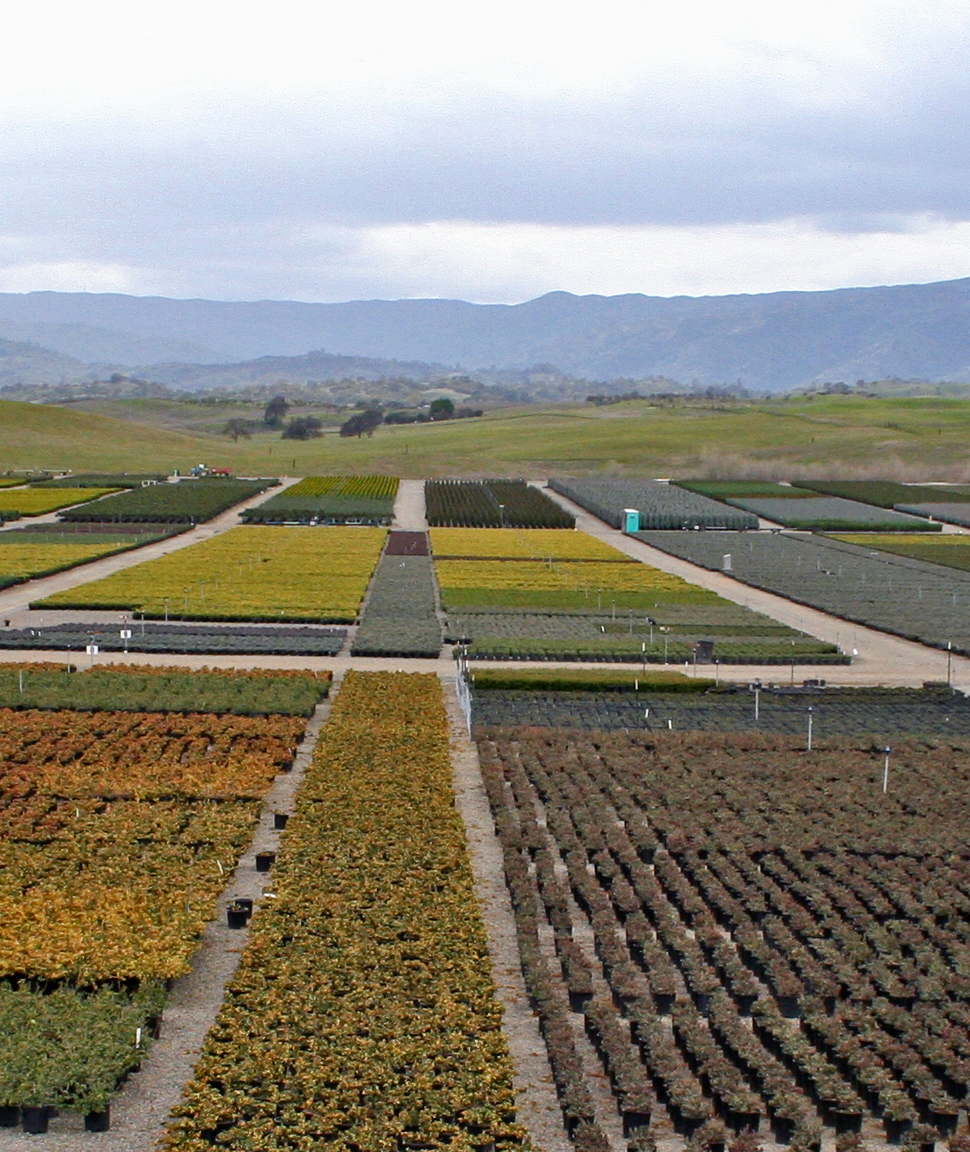
The U.S. Department of Agriculture’s National Agricultural Statistics Service (NASS) recently released the 2024 Census of Horticultural Specialties report, the only source of detailed production and sales data for floriculture, nursery, and specialty crops for the entire United States.

Horticulture production occurred primarily in 10 states, which accounted for 67% of all U.S. horticulture sales in 2024. California ($3.07 billion), Florida ($2.15 billion) and Oregon ($1.29 billion) led the nation in sales.

The national data show that horticulture operations sold a total of $18.3 billion in floriculture, nursery and specialty crops in 2024. Horticultural sales in 2024 compared to 2019 all show an increase in sales and number of operations due to the addition of mushroom and hemp grown under protection in the latest Census of Horticultural Specialties. The number of horticulture operations in the United States totaled 23,060.

Top commodities in U.S. horticulture sales in 2024, and compared to 2019, were:

  • Nursery stock, $5.34 billion, up 17%
  • Annual bedding/garden plants, $2.67 billion, up 19%
  • Sod, sprigs and plugs, $1.70 billion, up 34%
  • Potted flowering plants, $1.29 billion, up 7%
  • Potted herbaceous perennials, $1.36 billion, up 47%
  • Propagative horticultural materials, bareroot, and unfinished plant materials, $780 million, up 8%
  • Food crops under protection, $1.01 billion, up 44%

For more, see the original release from NASS.

Posted in Uncategorized | Leave a comment

Celebrating National Weights and Measures Week: March 1-7, 2026

CDFA and its Division of Measurement Standards proudly celebrate National Weights and Measures Week, observed March 1–7, 2026.

Each year, the first week of March commemorates the signing of the nation’s first weights and measures law by President John Adams on March 2, 1799 – an early and enduring commitment to fairness, accuracy, and trust in commerce.

This year’s theme, “We Measure What Matters,” was announced by National Council on Weights and Measures (NCWM) Chair Kevin Schnepp, Director of the California Department of Food and Agriculture, Division of Measurement Standards. The theme reflects the essential yet often unseen role that weights and measures professionals play in ensuring equity in today’s increasingly complex marketplace.   

Schnepp recently attended the World Hydrogen Expo in Seoul, South Korea, where he delivered several presentations and participated in five days of international discussions focused on emerging technologies, energy systems, and global standards.

“One of the most rewarding aspects of this experience was the strong international interest in how NCWM works collaboratively with state and local jurisdictions, the National Institute of Standards and Technology (NIST), and industry to develop and adopt consensus standards,” said Schnepp. “Korean agencies expressed a genuine eagerness to understand our system — from metrology and type evaluation to device requirements and enforcement. Their respect for the U.S. approach to standards development and marketplace oversight was both clear and appreciated.”

Schnepp noted that the experience served as a powerful reminder of the global impact of the work performed daily by weights and measures officials—work that often goes unnoticed but is fundamental to fair and efficient markets. “Recognized standards are essential to the functioning of local, national, and international commerce,” Schnepp said. “National Weights and Measures Week is our opportunity to highlight why what we do truly matters.”

Beyond commemorating a historic law, National Weights and Measures Week is also a time to recognize and thank the state, county, and local officials who protect consumers, support honest businesses, and ensure a level playing field for all participants in the marketplace.

With its roots going back to 1913, California’s weights and measures oversight remains dedicated to the mission of “Ensuring Equity and Uniform Standards in a Changing Marketplace.” The Division of Measurement Standards preserves, protects, and promotes the standards that underpin confidence in commercial transactions. “Accuracy and integrity are at our very core.”

Posted in Measurement Standards | Tagged , , | Leave a comment

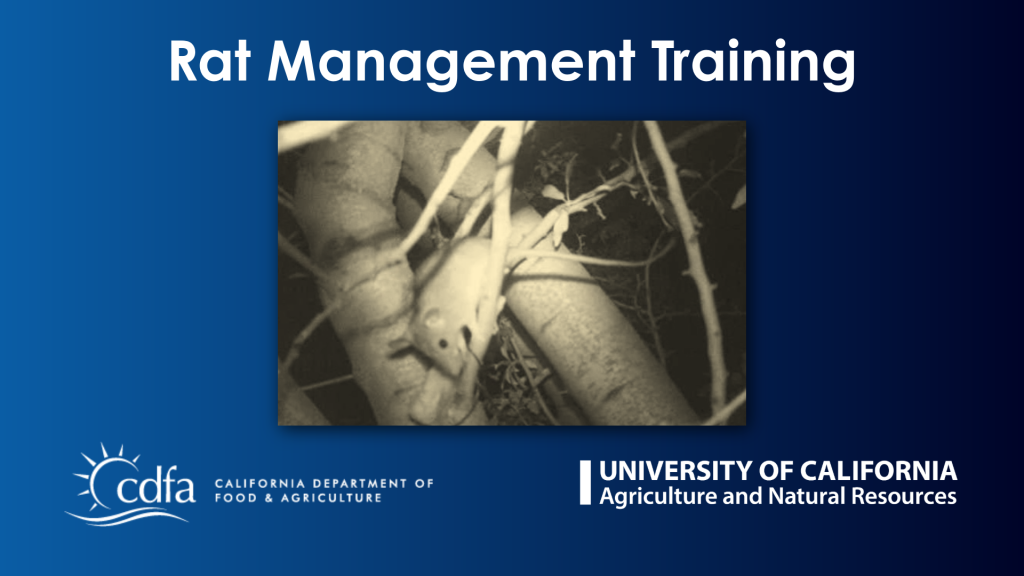
Video Series on Roof Rat Damage in Orchards: What Growers Need to Know

Focusing on solutions for growers for Invasive Species Awareness Week, February 23-27

Orchard systems across California—particularly nut orchards in the southern San Joaquin Valley—have seen a significant rise in roof rat activity in recent years. While roof rats are a long-established invasive species in the state, both their populations and the extent of damage they cause have increased substantially, creating growing economic and operational challenges for producers.

To address this issue, staff with CDFA’s Vertebrate Pest Control Research Program have worked with Roger Baldwin, Professor of Cooperative Extension at University of California, Davis, to develop a comprehensive, 20-video YouTube course. Baldwin specializes in human–wildlife conflict, with an emphasis on rodent management in agricultural and natural resource systems. Drawing on applied research and field experience, the course provides practical, science-based strategies designed specifically for orchard environments.

The videos cover specific topics organized by sections: monitoring strategies habitat modification, biological control, trapping, baiting, and burrow fumigation. The series was produced in collaboration with UC Agriculture and Natural Resources (UC ANR) and the California Department of Food and Agriculture, reinforcing its foundation in research, regulatory awareness, and real-world agricultural application.

Designed for growers, pest control advisors, and agricultural professionals, the course outlines integrated management approaches to help mitigate roof rat damage, protect orchard productivity, and support long-term sustainability. By combining monitoring, habitat modification, and targeted control strategies, the program equips stakeholders with the tools needed to respond effectively to escalating roof rat pressure in California orchard systems.

This resource reflects a coordinated effort between university research, state agriculture leadership, and field-based expertise to support California producers facing increasing rodent challenges.

To view the Rat Management Training videos, visit CDFA’s YouTube page, where you can select topics to meet your agricultural needs.

Posted in Uncategorized | Leave a comment

IPM Achievement Award from DPR recognizes success of Medfly Preventive Release Program

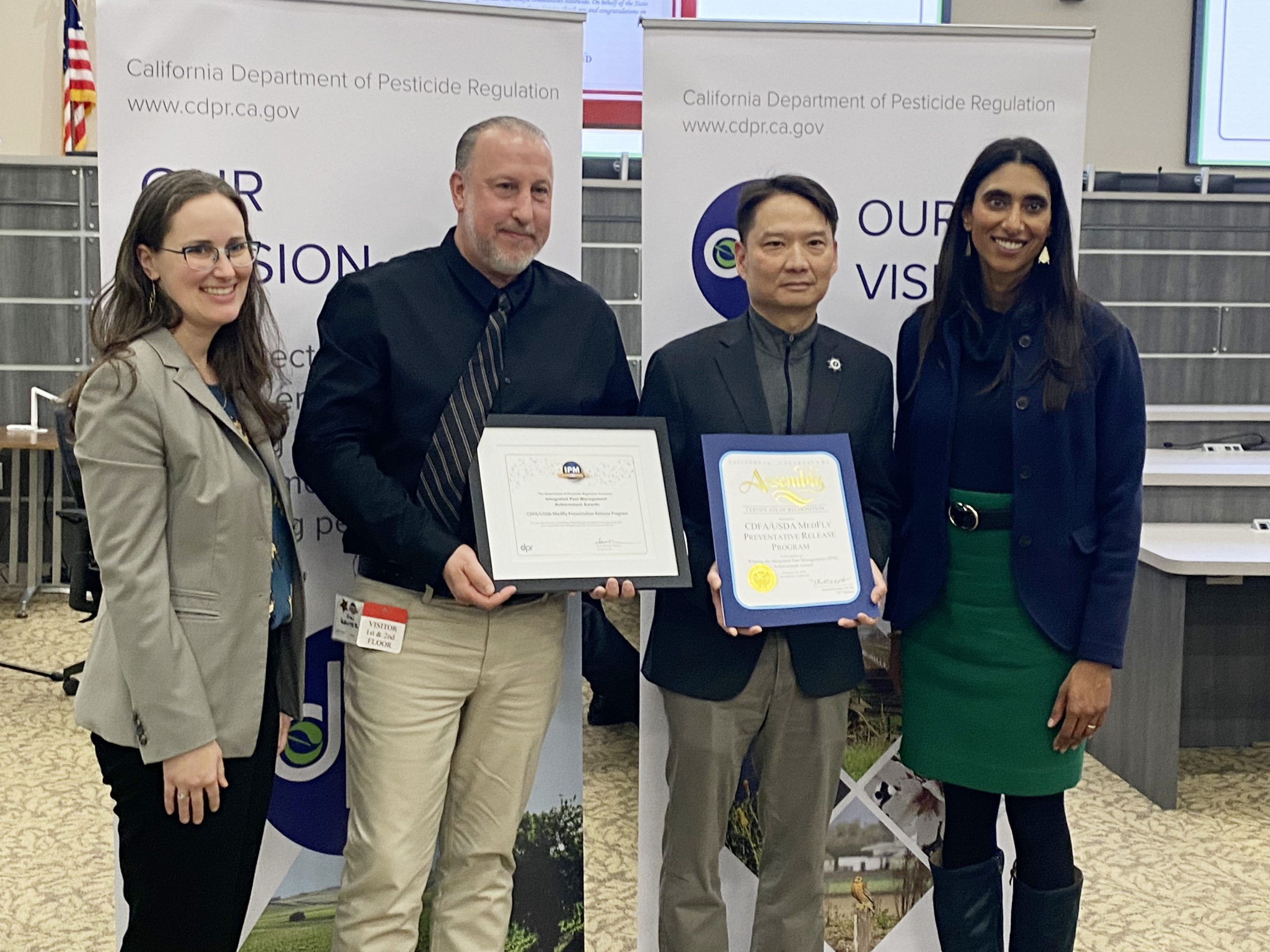
CDFA/USDA Medfly Preventive Release Program Director Ian Walters (second from left) accepted an IPM Achievement Award today from DPR Director Karen Morrisson (left) and Deputy Director of Sustainable Pest Management Sapna Thottathil (right). Assemblymember Tri Ta, whose district includes the Los Alamitos area where the Medfly program facilities are located, also presented a certificate of recognition in honor of the achievement.

“For preventing the establishment of an invasive species through safer, more sustainable practices that reduce pesticide use and demonstrate significant economic benefit in California”

Medfly Preventive Release Program Director Ian Walters with CDFA’s Plant Health and Pest Prevention Services Division accepted an award today from the California Department of Pesticide Regulation’s (DPR) Integrated Pest Management Achievement Awards program. CDFA Plant Health and Pest Prevention Services Division Director Victoria Hornbaker was also on-hand for the ceremony.

The CDFA/USDA Medfly Preventive Release Program (PRP), created in 1996, is being recognized for its longstanding, successful efforts in preventing the establishment of the invasive Mediterranean fruit fly (Medfly) in California. The program, which covers 1,750 square miles across portions of Los Angeles, Orange, San Bernardino, and Riverside counties, uses sterile insect technique (SIT) to control Medfly infestations while reducing chemical use. SIT involves the release of sterile male medflies into target areas to reduce population growth of wild flies.

The CDFA/USDA Medfly PRP collaborates with domestic and international governments, universities, and private industry to increase efficacy of their program and share data to support similar programs around the world.

This highly effective program has successfully reduced the average number of annual Medfly infestations in California, while decreasing reliance on conventional pesticide use, protecting Californians from devastating environmental and economic losses, and providing economic value for agriculture in Southern California.

The awards are presented as part of DPR’s annual recognition of outstanding programs and organizations across the state that focus on using safe, effective, and sustainable pest management practices. Others honored today include Santa Cruz County’s Wild Farm Alliance and Benicia-based LakeTech Inc.

See the full announcement on DPR’s site here.

Posted in Integrated Pest Management (IPM) | Tagged , , , , , | Leave a comment

USDA announces aid for specialty crop farmers

Specialty Crops Acreage Reporting Deadline is March 13

The U.S. Department of Agriculture (USDA) is providing $1 billion in Assistance for Specialty Crop Farmers (ASCF) Program assistance for specialty crops and sugar – commodities not covered through the previously announced Farmer Bridge Assistance (FBA) program. These one-time bridge payments will help address market disruptions, elevated input costs, persistent inflation, and market losses from foreign competitors engaging in unfair trade practices that impede exports.

Specialty crop producers have until March 13, 2026, to report 2025 acres to USDA’s Farm Service Agency (FSA).

The Assistance for Specialty Crop Farmers Program is authorized under the Commodity Credit Corporation Charter Act and will be administered by FSA.

ASCF payments are based on reported 2025 planted acres. Eligible farmers should ensure their 2025 acreage reporting is factual and accurate by 5 p.m. ET on March 13, 2026. Commodity-specific payment rates will be released by the end of March. Crop insurance linkage will not be required for the ASCF Program.

A list of eligible specialty crops and more information on ASCF is available online at www.fsa.usda.gov/fba or producers can contact their local FSA county office.

Posted in Specialty Crops, Trade | Tagged , , , , | Leave a comment

CDFA Supports Spay and Neuter Awareness Month 

Image of a veterinarian checking a golden-haired dog in a clinic, with a "PET LVR" license plate at the top of the image, with "Spay and Neuter Saves Lives" along the bottom of the plate.

February is Spay and Neuter Awareness Month! Whether you’re a proud pet parent or just a fan of four-legged friends, this is a great time of year to  focus on the wellbeing of these beloved animals. 

This month, CDFA is highlighting the Pet Lovers Spay and Neuter Grant Program, which helps keep California’s pet population healthy and manageable. 

How does the program work? 

Funding for these grants doesn’t come from regular taxes. Instead, the program is powered by everyday people, just like you: 

CDFA then awards this money to local cities, towns, and non-profits, which use the funds to provide low-cost, or no-cost spay and neuter services. 

Big results help small pets 

From 2023 to 2025, the program has averaged about $394,000 annually to support spay and neuter services. Now in its eighth year, the program has supported over 40,000 animal spay/neuter operations for pets, shelter adoptions, and Feral Cat/Trap-Neuter-Return programs. 

The program helps reduce animal overpopulation by preventing unplanned litters. This means fewer animals end up in crowded shelters, and more pets can find “forever homes.” 

Posted in Animal health, Animal Welfare | Tagged , , , , , , | Leave a comment

World Ag Expo February 10-12: It’s Show Time!

(Click the image to see the video on ABC 30’s site.)

California Agriculture Secretary Karen Ross joined industry and community leaders for the official opening of the 2026 World Ag Expo in Tulare today, followed by an on-site meeting of the State Board of Food and Agriculture on Ag Tech and workforce issues and opportunities. She previewed the event yesterday on local TV station ABC 30, speaking about the generational challenges facing producers and underscoring the importance of focusing on workforce development, especially given the advances in agricultural technology. She spoke also about the opportunity to “engage with people who might not think about how food gets to them, or how much of it comes from California.”

Secretary Ross with scholarship winners Kaedyn Plann and Tanner Verhoeven

Secretary Ross also was on-hand for this morning’s announcement of the “We Believe in Growing” scholarship recipients, presented by World Ag Expo and Coast Counties Peterbilt. The program recognizes outstanding California students pursuing agricultural careers, supporting these future industry leaders with funding for education. The 2026 winners are Kaedyn Plann and Tanner Verhoeven, who each received $10,000 scholarships. High school seniors from Madera, Fresno, Tulare, Kings, and Kern counties were invited to apply, and eligible students must plan to attend a four-year college or university and pursue a degree in agriculture.

This year, the World Ag Expo is expecting more than 100,000 visitors from 70 countries. The event covers more than 2.6 million square feet of exhibit space, and hosts over 1,200 exhibitors displaying cutting-edge technology and equipment over a three-day period. Beyond the tractors, tools and products, there are also educational opportunities, including talks by agricultural experts – and even cooking demonstrations by California Grown featuring Golden State produce. New this year: the Women’s Conference Pavilion celebrates the International Year of the Woman Farmer with panel discussions, networking opportunities and more. Enjoy this annual showcase of California’s agricultural excellence.

Secretary Ross speaking at today’s State Board of Food and Agriculture meeting on-site at the World Ag Expo.

Secretary Ross (standing) speaking with attendees at the World Ag Expo Opening Ceremony today.

Posted in Agricultural Education, Agricultural Marketing, State Board of Food and Agriculture | Tagged , , | Leave a comment