


BY KAREN ROSS AND TAMMY ANDERSON-WISE
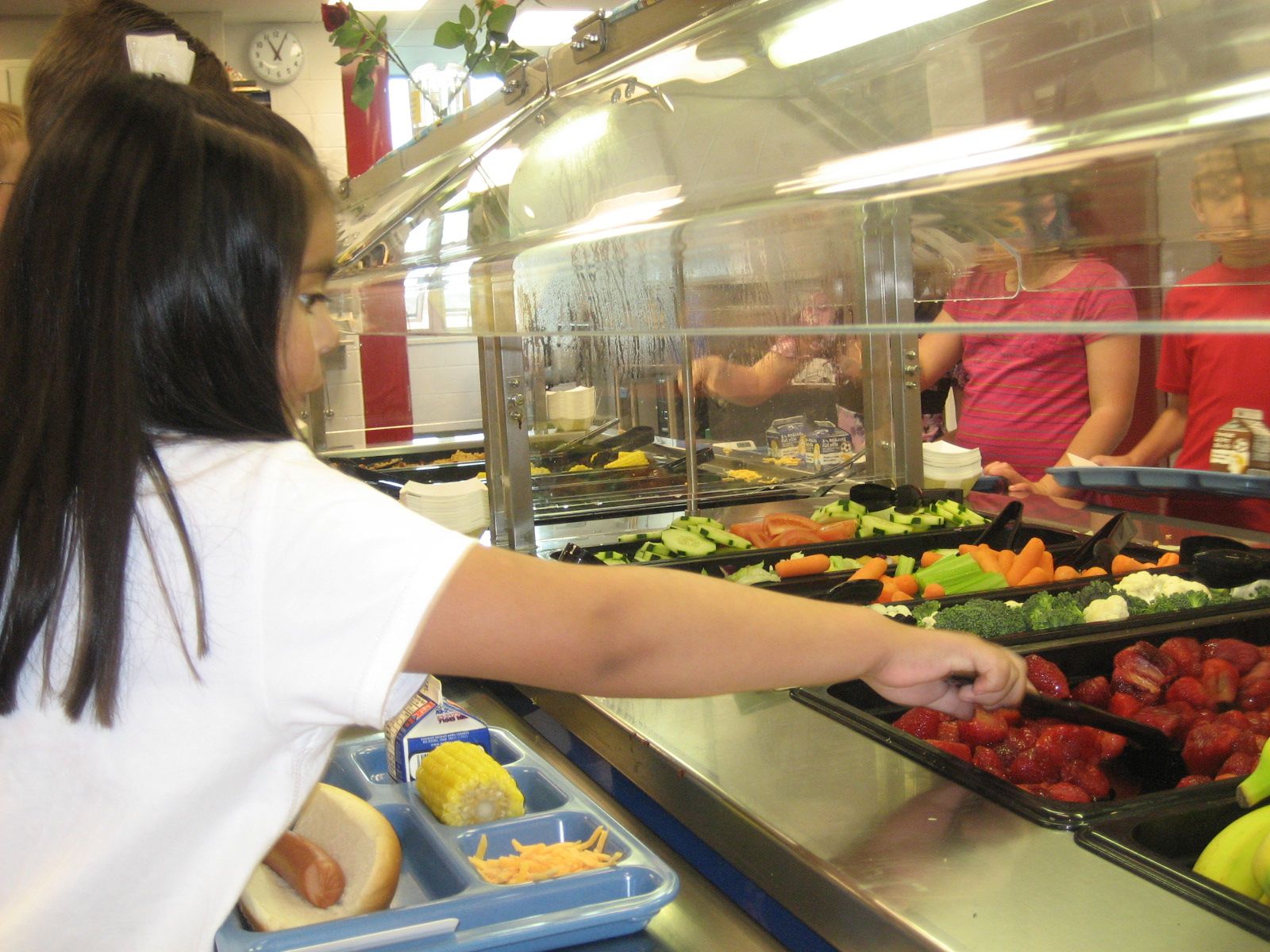
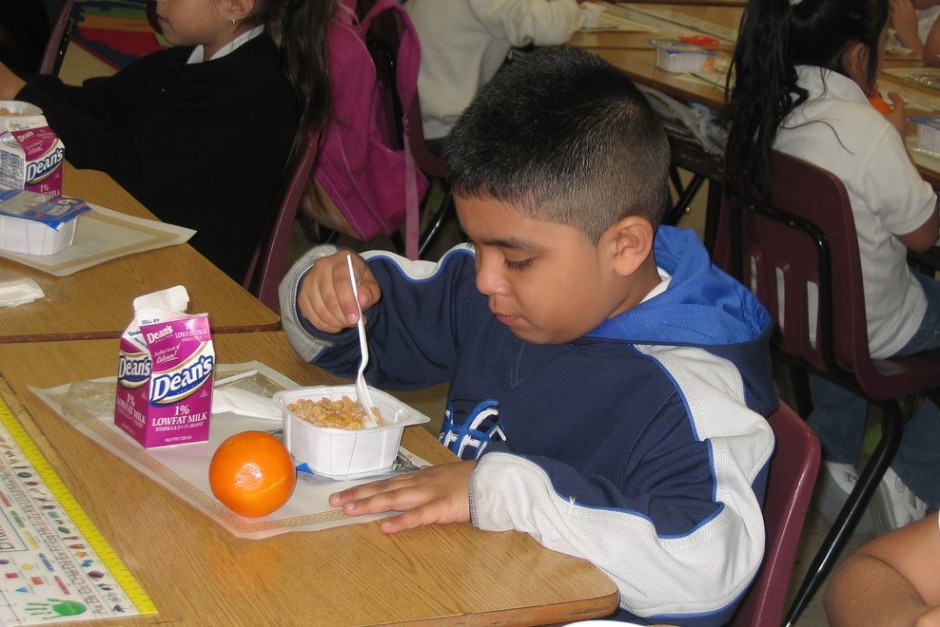
It’s morning at Fairbanks Elementary School in Twin Rivers Unified School District, and children are being served a healthy breakfast of fresh fruit, waffles, yogurt and milk. For some kids, eating breakfast at school is the only option they have for getting the needed nutrition to keep them focused and ready to learn.
In a recent survey, three out of four teachers and principals say they see kids who regularly come to school hungry. Hunger is known to negatively impact health, academic achievement and future economic prosperity. On the other hand, kids who eat breakfast get higher test scores, attend school more often, are more likely to graduate and typically earn more per year after graduation.
Access to healthy meals at school is part of the solution, but it isn’t enough. Importantly, we also need to arm our young people with nutrition education and food literacy to improve their health over the long run and break the cycle of food insecurity.
At the California Department of Food and Agriculture’s new Office of Farm to Fork, a collaborative effort with the state departments of Public Health and Education, there is a commitment to nutrition education opportunities and increasing access to healthy foods. An effort is underway to connect farmers to local school food service operations and, as a result, increase access to nutritious food in underserved schools and communities. The office recently launched the California Farmer Marketplace, an online tool to connect farmers to schools and other consumers.
Along with improving access to healthy agricultural products, nutrition education programs are equally important. When students are better educated and better fed, they make better students and citizens.
The Dairy Council of Californiaprovides nutrition education through print and digital curriculum that reaches 2.5 million students in California schools from kindergarten through high school. All programs focus on a balanced approach that includes foods from all five food groups.
The Mobile Dairy Classroom– an assembly in Sacramento-area schools and throughout the state – builds on nutrition education programs taught in the classroom by teaching students how milk and dairy foods get from the farm to the table, helping them understand where food comes from.
National initiatives also are essential. The U.S. Department of Agriculture’s School Breakfast Program provides access to free or low-cost breakfast before the normal school day. Unfortunately, the program is underutilized. Many times, kids simply can’t get to school on time due to carpool or public transportation schedules. Providing access during the school day – such as through Breakfast in the Classroom programs – can significantly and positively impact participation.
The No Kid Hungry initiative, an effort to end childhood hunger in America, encourages more Breakfast in the Classroom programs, along with options such as: Grab n’ Go, a model that allows students to pick up breakfast through mobile carts; Second Chance Breakfast, where students eat breakfast during a break; and Breakfast Vending, which allows students to access foods through vending machines. Additionally, the Smarter Lunchrooms Movement is an effort to nudge students toward making better choices by changing the way food choices are presented. These are all valuable programs – but only pieces of the puzzle.
By educating kids and parents on healthy eating behaviors, food production and how to choose nutrient-rich healthy foods, we are providing a solution to hunger pangs and a solution to the negative, long-term individual and public health effects of poor nutrition. Few would argue that our children deserve to be free of hunger while at school. Few would dispute that skills in science, math and language arts are foundational to success. But, we often overlook something equally as valuable: teaching our young people and parents about how to eat and live healthfully, something that benefits not only individuals, but also society as a whole with a happier, healthier, more successful citizenship.
Karen Ross is secretary of the California Department of Food and Agriculture. Tammy Anderson-Wise is the CEO of the Dairy Council of California.
 Dec. 20
 Jan. 03
 Jan. 10
 Jan. 17
 Jan. 24
 Jan. 31
 Feb. 07
 Feb. 14
 Feb. 21
 Feb. 28
 Mar. 06
 Mar. 13
 Mar. 20
 Mar. 27
 Apr. 03
 Apr. 10
 Apr. 17
 Apr. 24
 May 01
 May 08
 May 15
 May 22
 May 29
 June 05
 June 12
 June 19
 June 26
 July 03
 July 10
 July 17
 July 24
 July 31
 Aug. 07
 Aug. 14
 Aug. 21
 Aug. 28
 Sep. 04
 Sep. 11
 Sep. 18
 Sep. 25
 Oct. 02
 Oct. 09
 Oct. 16
 Oct. 23
 Oct. 30
 Nov. 06
 Nov. 13
 Nov. 20
 Nov. 27
 Dec. 04
 Dec. 11
 Dec. 18
 Dec. 25
 Jan. 01
 Jan. 08
 Jan. 15
 Jan. 22
 Jan. 29
 Feb. 05
 Feb. 12
 Feb. 19
 Feb. 26
 Mar. 05
 Mar. 12
 Mar. 19
 Mar. 26
 Apr. 02
 Apr. 09
 Apr. 16
 Apr. 23
 Apr. 30
 May 07
 May 14
 May 21
 May 28
 June 04
 June 11
 June 18
 June 25
 July 02
 July 09
 July 16
 July 23
 July 30
 Aug. 06
 Aug. 13
 Aug. 20
 Aug. 27
 Sep. 03
 Sep. 10
 Sep. 17
 Sep. 24
 Oct. 01
 Oct. 08
 Oct. 15
 Oct. 22
 Oct. 29
 Nov. 05
 Nov. 12
 Nov. 19
 Nov. 26
 Dec. 03
 Dec. 10
 Dec. 17
 Dec. 24
 Dec. 31
 Jan. 07
 Jan. 14
 Jan. 21
 Jan. 28
 Feb. 04
 Feb. 11
 Feb. 18
 Feb. 25
 Mar. 04
 Mar. 11
 Mar. 18
 Mar. 25
 Apr. 01
 Apr. 08
 Apr. 15
 Apr. 22
 Apr. 29
 May 06
 May 13
 May 20
 May 27
 June 03
 June 10
 June 17
 June 24
 July 01
 July 08
 July 15
 July 22
 July 29
 Aug. 12
 Aug. 19
 Aug. 26
 Sept. 2
 Sept. 09
 Sept. 16
 Sept. 23
 Sept. 30
 Oct. 07
 Oct. 14
 Oct. 21
 Oct. 28
 Nov. 4
 Nov. 11
 Nov. 18
 Nov. 25
 Dec. 02
 Dec. 09
 Dec. 23
 Jan. 06
 Jan. 20
 Feb. 3
 Feb. 10
 March 3
 March 10
 March 17
 March 24
 March 31
 April 7
 April 21
 April 28
 May 5
May 5 May 12
 May 19
 May 26
 June 2
 June 9
 June 16
 June 23
 June 30
 July 7
 July 14
 July 21
 July 28
 Aug. 4
 Aug. 11
 Aug. 18
 Aug. 25
 Sept. 1