By Karen Ross, Secretary California Department of Food and Agriculture
We work hard to make California a better place to live because of what we grow and how we grow it.
At the California Department of Food and Agriculture (CDFA), we work to build and safeguard resilient food systems – including programs that improve nutrition for students and extend additional benefits to seniors and other deserving Californians. We support farmers and ranchers, and improve conditions for workers and the larger agricultural community, and promote an equitable marketplace.
In this report, you’ll find both urgent efforts and longer-term projects that put farmers and ranchers and workers throughout the food chain in a better position to do what they do best.
In California agriculture, as in California writ large, leadership is simply a natural result of what we do.
From the most immediate pressures like addressing pests and diseases, to the most far-reaching like nutrition and climate change, to the most fundamental like fairness in the public marketplace, CDFA partners with California’s agricultural community to show the world what works.
I encourage you to read these examples, and to consider them as we all reflect upon the past year – and upon the true nature of leadership.
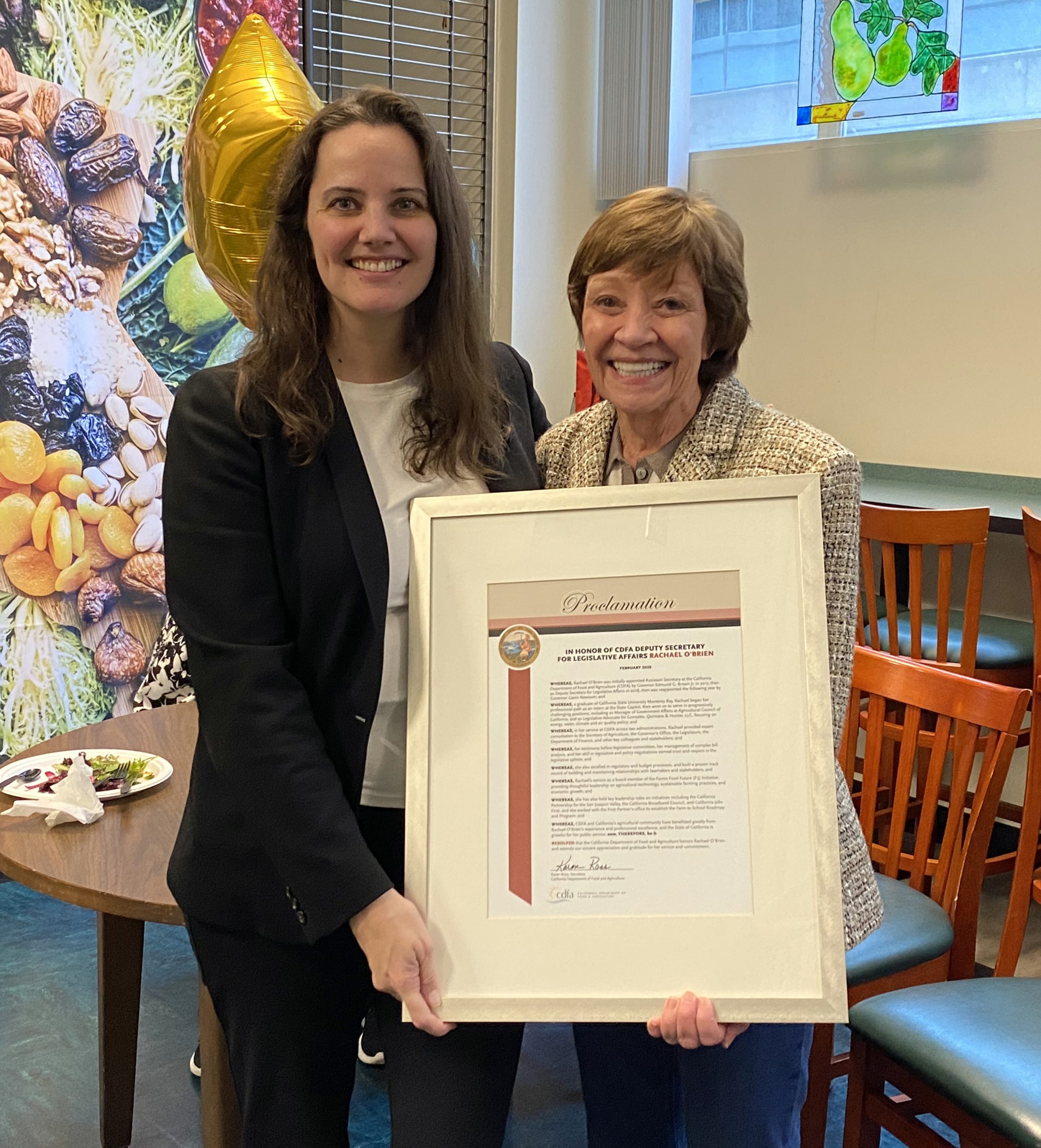
CDFA Secretary Karen Ross (right) presents a proclamation to Rachael O’Brien in appreciation for her years of service.
February 6 marks the last day of state service for CDFA Deputy Secretary for Legislative Affairs Rachael O’Brien, after eight years with the department.
As deputy secretary, O’Brien provided crucial leadership across two gubernatorial administrations, giving expert consultation to the Secretary of Agriculture, the Governor’s Office, the Legislature, the Department of Finance and other key colleagues and stakeholders. From pandemic response to annual budget negotiations, she managed complex issues with skill, earning trust and respect along the way that will continue to serve her as she steps forward into the next phase of her career.
CDFA Secretary Karen Ross: “It has been a pleasure to have Rachael at CDFA, and we wish her continued success. She will definitely be missed. Her contributions to the department, and to the California agricultural community, will carry forward and benefit us all for many years to come.”
Farewell, Rachael, and thank you for your public service.
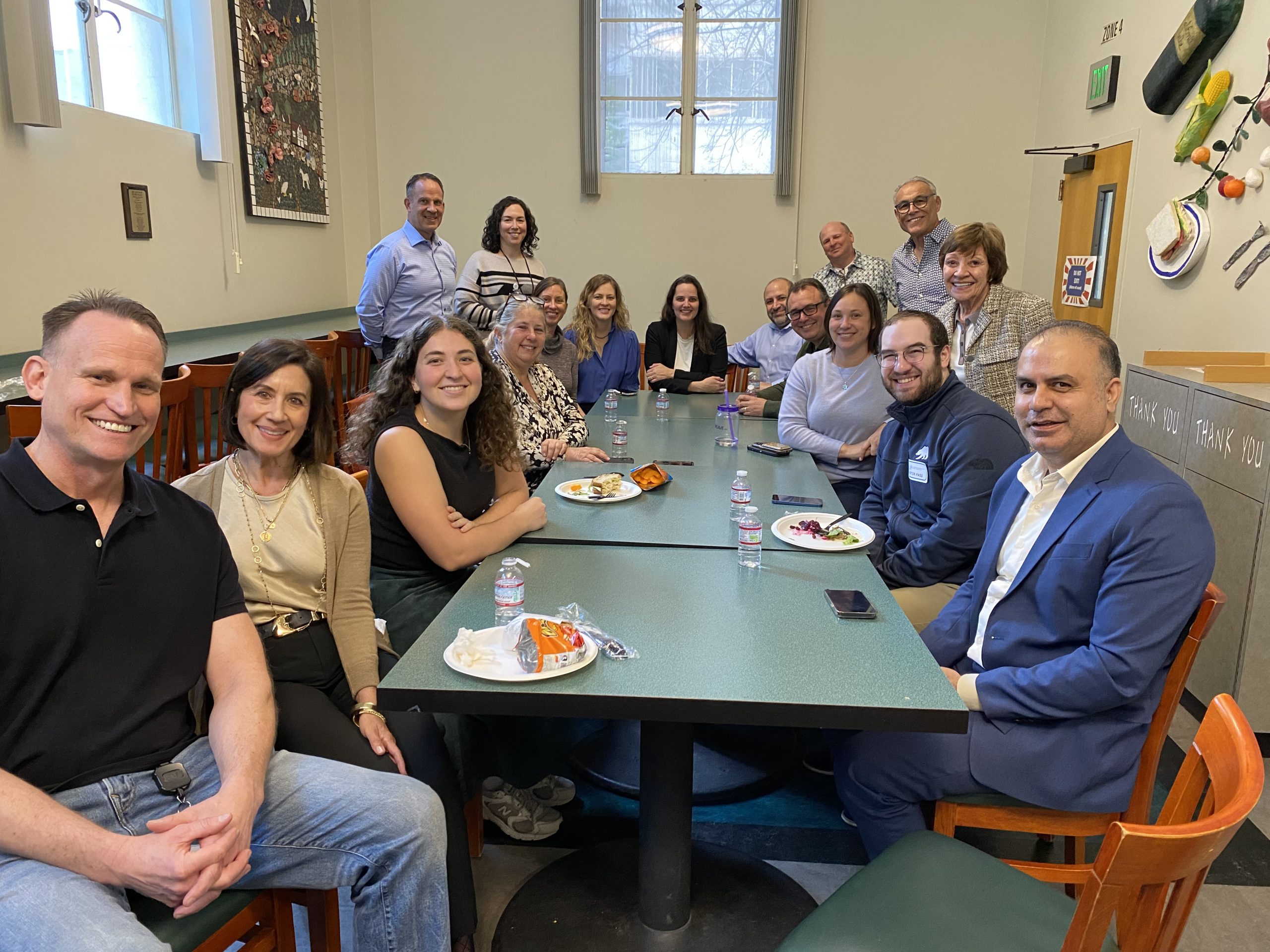
Rachael O’Brien (head of table) with friends and colleagues at a “farewell” gathering today, hosted by Secretary Karen Ross (standing, right).
Behind California’s citrus industry are dedicated farmers who care for the land and produce exceptional fruit. CDFA recognizes National Citrus Month and in collaboration with California Grown, we’re spotlighting one of the many growers helping shape the future of California agriculture.
We invite our farming and agriculture community to watch and hear firsthand how growers like Greg are growing delicious mandarins and other fruits, along with supporting local economies, and helping to keep agriculture thriving for the next generation.
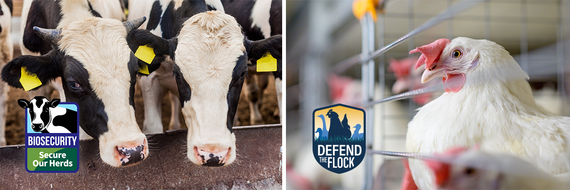
The U.S. Department of Agriculture (USDA) will offer two free webinars focused on biosecurity best practices to help prevent the introduction and spread of highly pathogenic avian influenza (HPAI). These sessions are designed for:
Dairy Producers – January 28
Poultry Operations of All Sizes – January 30
Each webinar will cover practical steps producers can take to strengthen biosecurity controls and protect animal health. USDA experts will also highlight free resources available to support producers, including:
Free biosecurity planning tools for poultry operations of all sizes
Free biosecurity assessments for poultry operations with 500 or more birds
Financial incentives for both poultry and dairy operations to enhance biosecurity measures
These webinars are an opportunity to learn proven strategies, access tools, and ask questions to help safeguard your animals.
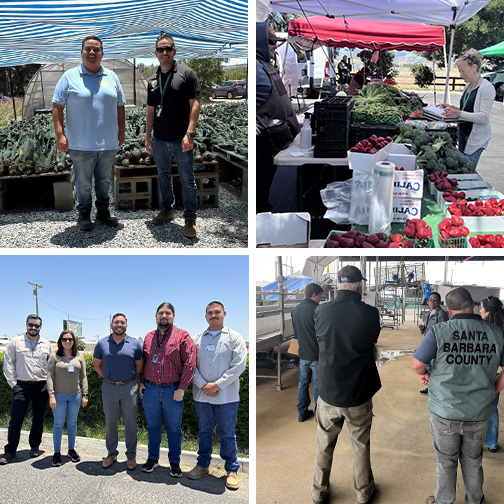
SOP collaboration with California county agricultural inspectors included (clockwise from top left) an agave farm tour with Riverside County inspectors, a farmers’ market verification of good practices with San Luis Obispo County inspectors, an organic inspection with Santa Barbara County inspectors, and an organic inspection with Imperial County inspectors.
CDFA’s State Organic Program’s (SOP) mission is to protect the organic label through education, outreach, and, when necessary, enforcement in California, under the authority of the USDA’s National Organic Program. California is the only state in the nation with a USDA-approved State Organic Program.
The SOP upholds state laws and USDA organic regulations by overseeing requirements for the production and handling of organic products within California as well as those entering the state. This includes partnering with counties to perform SOP inspections.
Following are recent examples of this important partnership:
Riverside County agricultural inspectors joined the SOP for an agave farm tour to deepen their understanding of organic production practices and strengthen interagency collaboration.
San Luis Obispo County agricultural inspectors joined SOP to conduct organic enforcement inspections at local farmers’ markets to verify compliance with state and federal organic standards and ensure transparency for consumers.
Imperial County agricultural inspectors joined SOP for an on-site organic inspection. The visit included a comprehensive review of production and handling practices to ensure full compliance with both state and federal organic regulations.
Santa Barbara County conducted an inspection to verify compliance with both state and federal organic standards. The visit included a thorough review of production, handling and documentation practices to ensure the operation met all regulatory requirements.
Huntington Beach Union High School District students are encouraged to develop lifelong relationships with healthy food as they peruse and sample produce grown by the Community Action Partnership of Orange County, supported through a CDFA Farm to School Incubator Grant.
The Community Action Partnership of Orange County (CAP OC) is putting its CDFA Farm to School Incubator Grant funding to good use, expanding access to fresh, locally grown food for Huntington Beach Union High School District (HBUHSD) students.
“This partnership has allowed our Nutrition Services Department to offer healthier meals while strengthening students’ connections to whole foods, agriculture and gardening,” said HBUHSD Nutrition Services Administrator John Chiu.
At the center of this work is CAP OC’s 8-acre Giving Farm that grows fresh produce, including strawberries, watermelon, avocados, oranges, broccoli and butternut squash, used in school meals.
“When seasonal items are available or featured in meals, we promote them through social media and district communications so students can see the direct connection between local farming and what’s on their plate,” Chiu added.
Students, faculty and administrators also interact with the fresh produce through a bi-monthly farmers’ market hosted by HBUHSD’s Adult Transition Program.
“These markets allow our team to sample fresh produce, test new recipes with students and provide nutrition education,” Chiu explained. “It’s about meeting students where they are and making healthy food approachable and exciting.”
Through their collaborative efforts and support from CDFA’s Farm to School Regional staff, CAP OC and HBUHSD remain committed to building a sustainable, educational and nourishing food system that benefits students today and for years to come. Visit the CDFA Farm to School Program website for more information.
Celebrating the beginning of the International Year of the Woman Farmer at the famous Central de Abasto (Central Market) in Mexico City today, California Agriculture Secretary Karen Ross joined a panel of experts to talk about the many roles of women in the food supply chain, and about the shared experience of California and Mexico as friends, neighbors and business partners.
Her comments included an interview with Milenio TV:
“Mexico is a very, very important friend, neighbor, business partner of the State of California, and we look forward to binational, subnational opportunities to work together to increase our friendship, to increase our business relationship, and to face the challenges of the future – with women involved.”
“Women have always been part of agriculture – but it’s important that we hold women up and show the younger generation all the ways women are involved in our food supply chain, and most importantly in the nourishment of our families, the nourishment of our communities, as well as the nourishment of the land, as we face climate change and challenges to being productive and food secure.”
Secretary Ross is in Mexico this week to strengthen partnerships, including launching a Binational Agricultural Working Group focused on research to advance science-based policy for a more sustainable future.
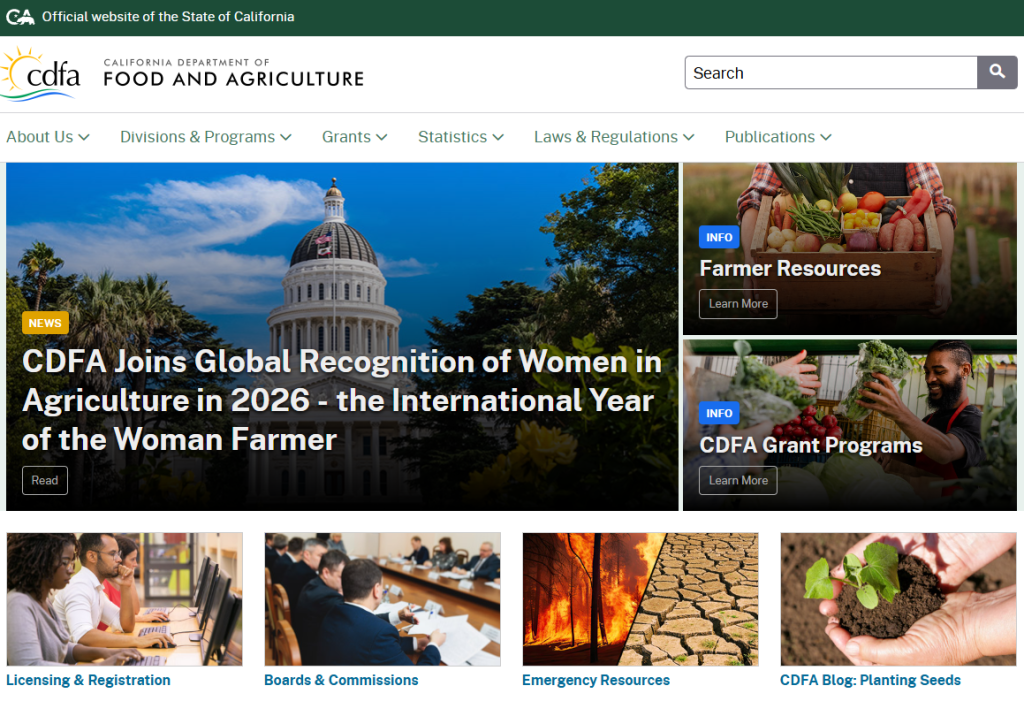
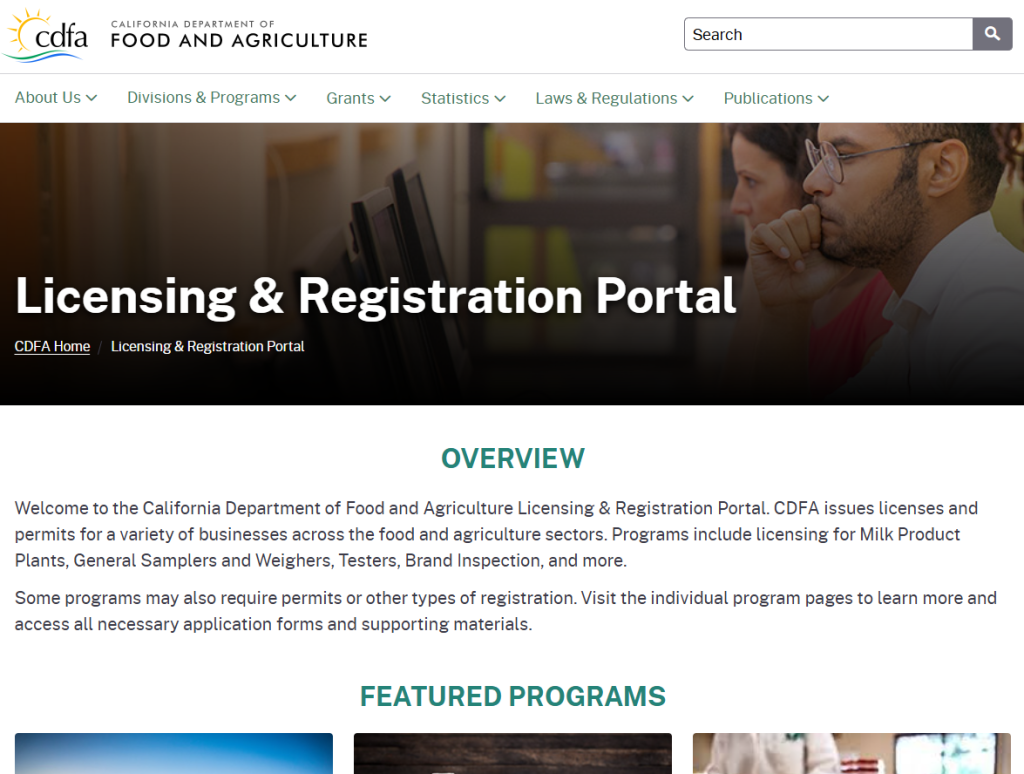
We’re kicking off 2026 with a new site! We’ve updated www.cdfa.ca.gov with a new look-and-feel, all designed to help our agricultural stakeholders and public users find what they need more efficiently and intuitively, using visual cues, clear labeling, and organization that tracks and matches the way users interact with our pages.
The main landing page is completely redesigned with users in mind. Our most popular destinations, like current press releases, the “Famer Resources” portal, and our high-demand grant programs are all up-top and easy to see when the site first loads. Next up are links to licensing and registration, our Planting Seeds blog, board/commission meeting information, and emergency resources. Based on user data, this is what’s needed most often and now it is more easily accessible.
And as you scroll below those primary links, user activity determines demand and what goes on the “Popular Pages” list. The list will be dynamically updated as our community’s needs and your “clicks” change over time.
We encourage you to check out this website update, see where your “favorites” are, and drop us a line with any constructive feedback. This is your site, and we’re proud to bring it to you.
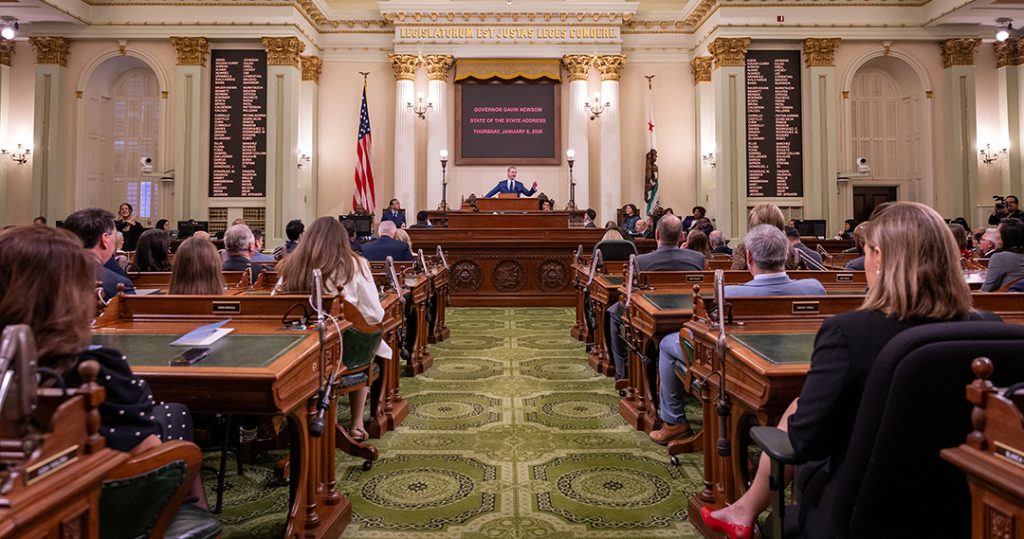
In his final State of the State address on Thursday, Jan. 8, California Governor Gavin Newsom praised “the farmers who work the soil, nourished by our rivers.” He highlighted First Partner Jennifer Siebel Newsom’s contributions to school food nutrition, as part of our ongoing efforts to get more locally grown food into school cafeterias. And he foreshadowed today’s announcement of “a budget that continues our nation-leading investments in school meals.” On California’s reputation for innovation and leadership, he specifically named agriculture as a leading industry and said, “We don’t run from change – we drive it.”
We are grateful that our climate smart ag work will continue with Prop. 4 funding in the proposed budget. We have invested nearly $600 million since 2019 to advance climate smart agricultural practices, funding nearly 3,000 projects across 300,000 acres resulting in a reduction of approximately 27.7 million metric tons of carbon dioxide equivalent across the life of the projects – the equivalent of taking 6.4 million cars off the road and saving 1.5 million acre-feet of water.
In the same period, we invested over $100 million to transform the California school food system through the Farm to School Program, now reaching 49% of all California school children with projects that provide access to local, climate smart and nutritious foods while supporting local farms with new market opportunities. The budget proposes $25.2 million ongoing to advance Farm to School.
As we move with purpose into 2026, CDFA is dedicated to helping our farmers, ranchers and everyone working in the food supply chain to grow, innovate, become more resilient to climate change and economic pressures, and prepare for the opportunities that come with the very bright future for California.
California’s female farmers and farmworkers are at the heart of our food system, driving advances in innovation, food safety, quality, and sustainability every day. Whether behind the scenes or in the fields, women are actively shaping the future of agriculture worldwide. To celebrate their contributions, the United Nations has declared 2026 the International Year of the Woman Farmer. Let’s take a look at how women are impacting agriculture in the Golden State.
Women Grow the Future
Women have always played a vital role in California agriculture – and their influence grows stronger every year. Over the last decade, there has been a 13% increase in the number of female farmers in California. As more women assume leadership roles, they are changing the face of agriculture in real time – making key business decisions and leading the next wave of innovation in food production and sustainability.
Cultivating Sustainability
Because 63% of California farms are female-operated (which means at least one woman is part of the ownership), women are responsible for key decisions about protecting the future of family farms. Whether protecting soil health or finding more innovative ways to conserve water, women are helping ensure California’s farmland stays productive for generations to come.
When Women Thrive, Communities Flourish
President John F. Kennedy popularized the phrase, “a rising tide lifts all boats,” and this is especially true in agriculture. When women have equal access to resources, farms are more productive, communities grow stronger, and local families thrive. Supporting women in agriculture means supporting agricultural policies that reflect the diversity of all the people who help put food on our tables and wine in our glasses.
California: Rooted in Equality, Leading the Nation
Californians have always known that women play an essential role in agriculture, so a woman’s right to landownership has been protected since the inception of the state. So, it’s no surprise that California is home to more female-operated farms than any other major agricultural state. Nearly two-thirds of the state’s farms are run by women, and women make up 38% of California’s agricultural producers!
Supporting the Woman Farmer – Choose California Grown
Celebrate the International Year of the Woman Farmer by choosing California Grown food, wine and flowers. California farmers produce 80% of the nation’s wine, grow half of all U.S. produce and lead the country in dairy production. And, 93% of California farms are still family-owned. When you choose California Grown, you’re supporting farm families, local communities and the women who help make it all possible.
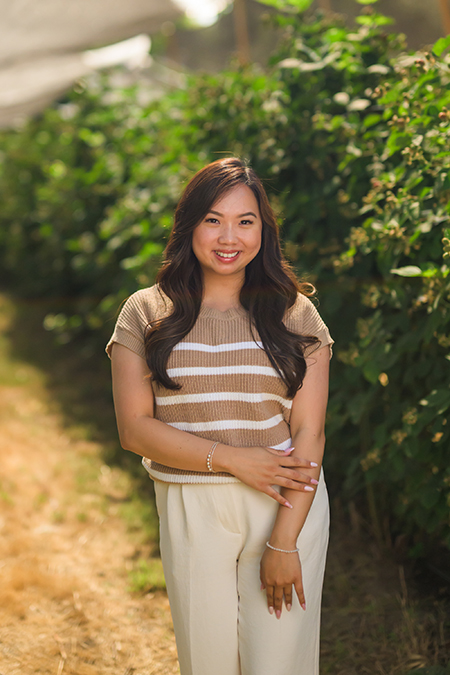
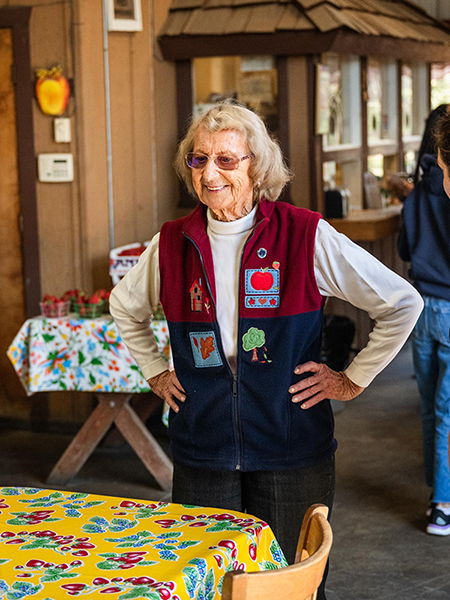
Granny May’s Strawberry Farm is Elisabeth Saechao’s family legacy. Her Placer County U-pick farm offers visitors a first-hand look at where their food really comes from – and the opportunity to harvest their own fresh fruits.
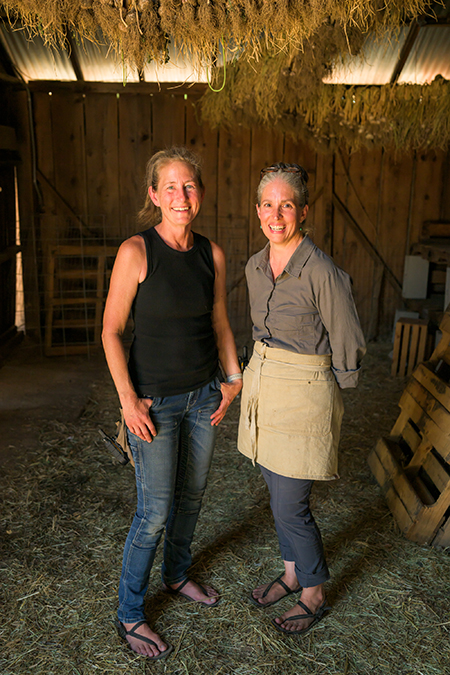
To say that Audrey Pascone and Heather Austin are passionate about organic foods is an understatement. After embracing a healthier, organic diet and experiencing its positive impact firsthand, the two women uprooted their Bay Area lives to found an organic farm in Red Bluff, California – Red Gate Ranch.
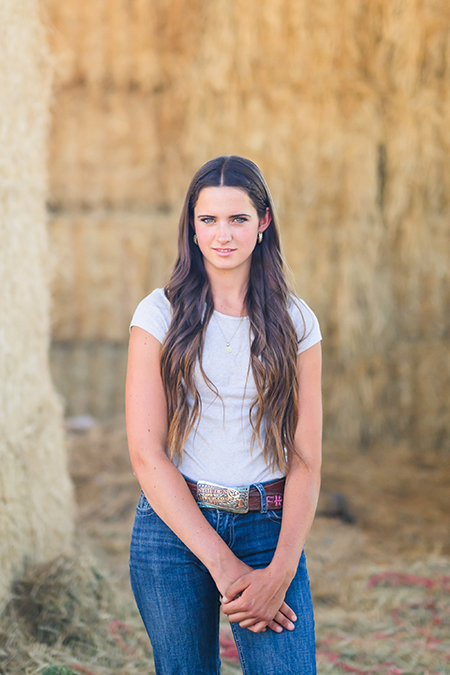
Francie Heffernan is part of the future of California agriculture – and one of the “five Marys” behind Five Marys Ranch. Her family’s brand harnesses the power of social media to share the realities of ranch life, educating and entertaining their followers along the way.
Article by Hilary Rance and photography by James Collier and Hilary Rance for CA GROWN.