


The California agriculture industry continues to demonstrate that science and partnerships are the cornerstones of advancing food safety.
In April 2021, CDFA Secretary Karen Ross called for industry participation to help solve recurring food safety incidents. This action followed a number of leafy green outbreaks between 2018 and 2020 that were traced back to the California Central Coast growing region and linked to a unique isolated strain of E. coli O157:H7. In response, the U.S. Food and Drug Administration (FDA) and Western Center for Food Safety at UC Davis launched a five-year California Longitudinal Study (CALS) in coordination with CDFA, highlighted as part of the FDA Leafy Greens STEC Action Plan. The CALS study aims to understand environmental factors that may pose risks to food safety in the growing environment.
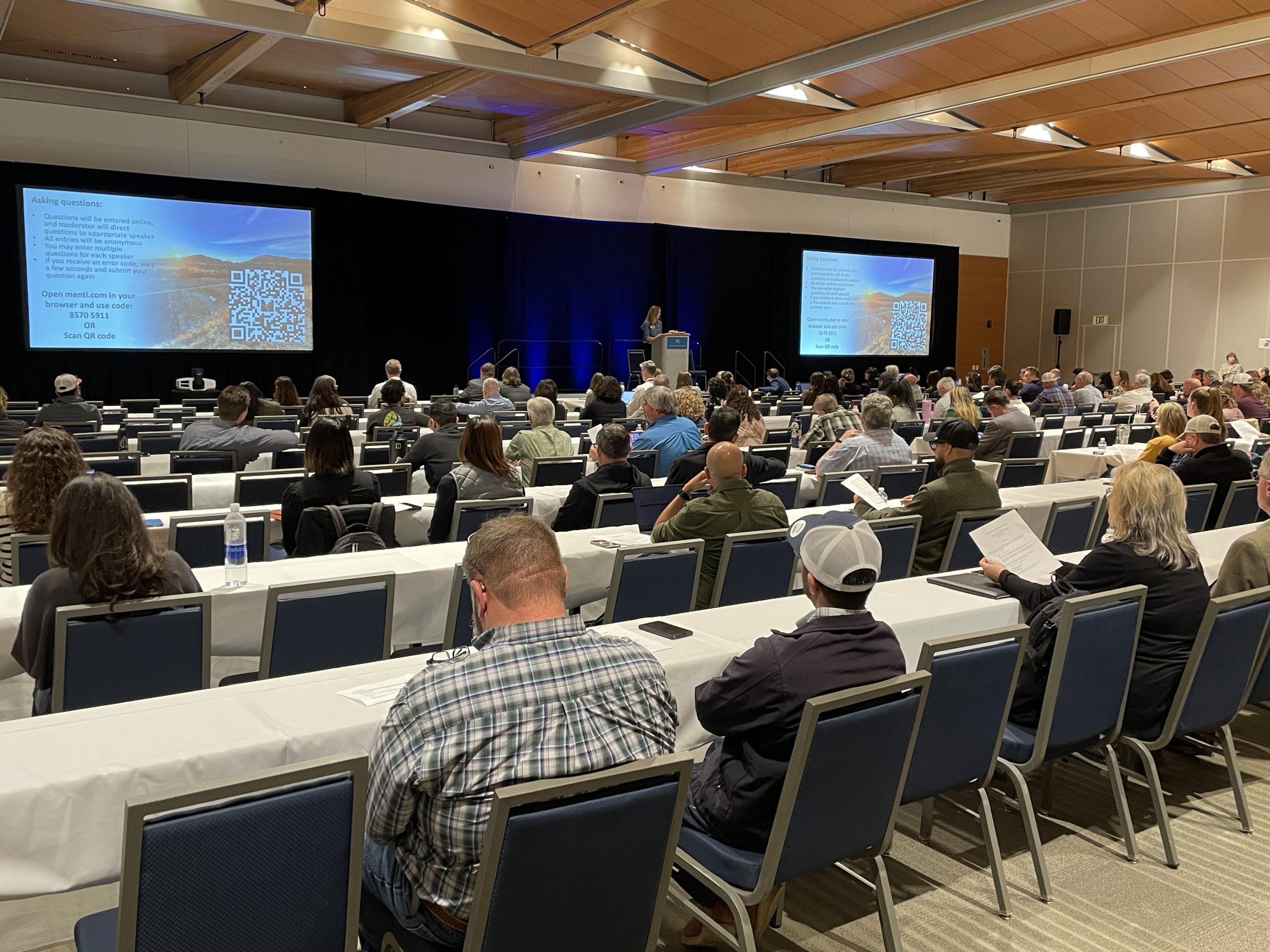
Today, FDA released a constituent update reflecting progress and initial findings of this five-year research study. This is the largest, most comprehensive sampling study conducted in the Central Coast growing region to date. Outcomes of the research are consistent with historical scientific literature and offer insights that the current food safety regulations, metrics and practices are effective when implemented consistently and judiciously. Additionally, with this emerging body of environmental data, California agriculture will explore new, innovative ways to focus on prevention measures for continuous improvement of food safety.
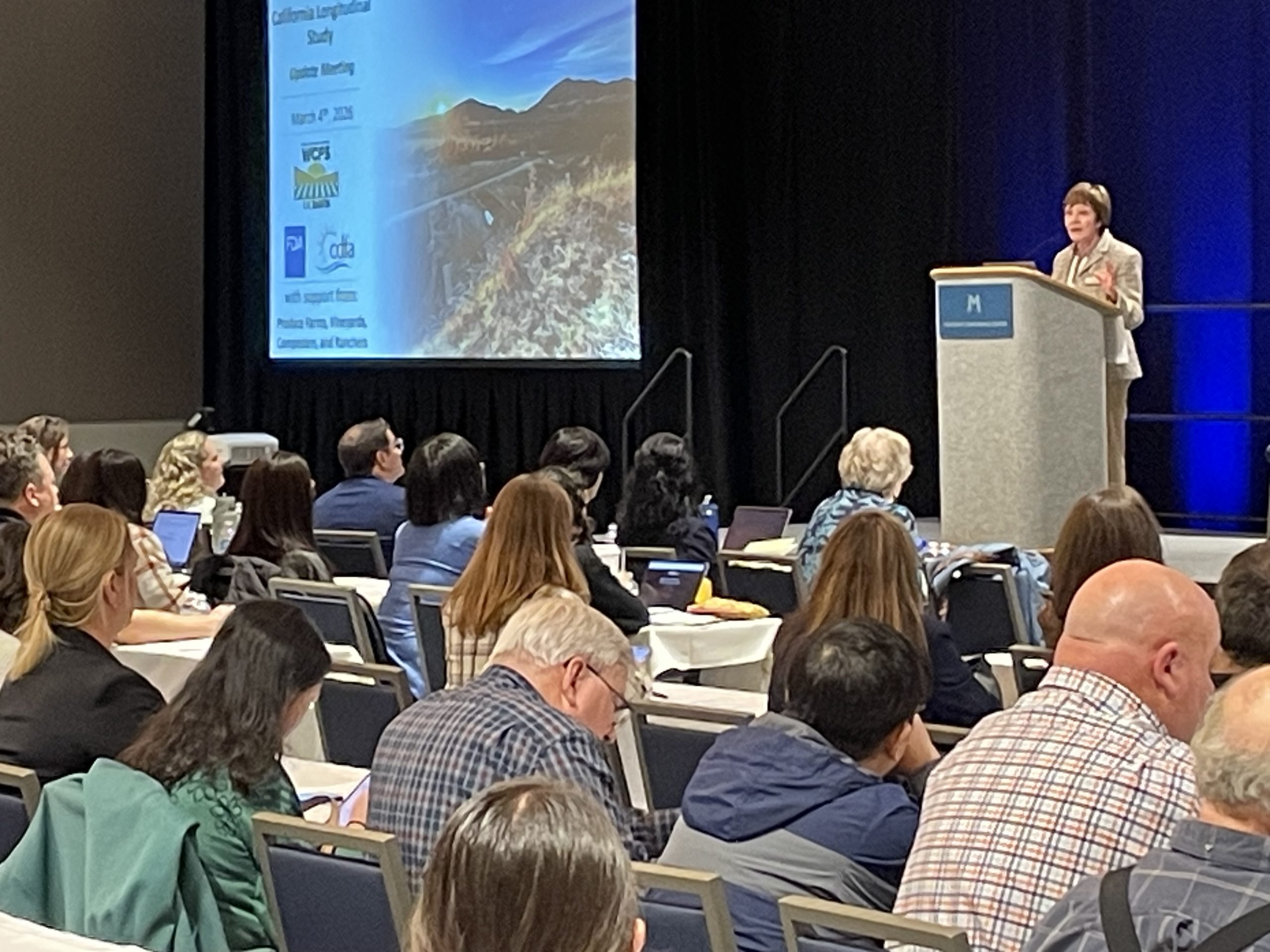
“Produce safety is a shared commitment across the entire supply chain,” said CDFA Secretary Karen Ross. “The California Longitudinal Study is the result of our public and private sectors working together to advance science-based practices, improve transparency and reinforce consumer trust. It’s all part of California agriculture’s essential mission of feeding the United States and beyond safely, sustainably and reliably. Initial findings verify that the actions we’re taking in the Central Coast region to enhance food safety are moving us in the right direction, and we are committed to maintaining this focus.”
California’s produce industry continues to make significant strides through improvements in food safety risk education and on-farm practices, led by coordinated efforts among government, academic institutions and industry associations. Ongoing training, inspections and audits, data sharing and innovative technology help ensure that fresh fruits and vegetables reach consumers safely. Equally important are the ongoing partnerships forged through California Agricultural Neighbors (CAN), which began in 2021. CAN is a locally led, locally convened group that brings together diverse agricultural stakeholders across the Salinas Valley to explore and reinforce where food safety advancements, rooted in One Health principles, can be discussed, fostered and implemented. One Health is a collaborative, multidisciplinary, systems-thinking approach that recognizes the health of people is interconnected to the health of animals, plants, and our shared environments.
“As stewards of the land and the food system, members of CAN know the significant responsibility inherent in feeding a nation and recognize that food safety and food security are fundamentally interconnected,” said Natalie Krout-Greenberg, director of CDFA’s Inspection Services Division and co-lead of CAN. “Stakeholders engaged in CAN remain committed to advancing produce safety through continued collaboration, shared learning, adaptive practices, and sustained collective commitment.”