Happy Earth Day! We celebrated California Agriculture Day on the steps of the California Capitol just yesterday, and it helps provide a particularly positive perspective for our observance of Earth Day today.
Especially in California, agriculture has an important role to play in building climate-smart and highly resilient food systems.
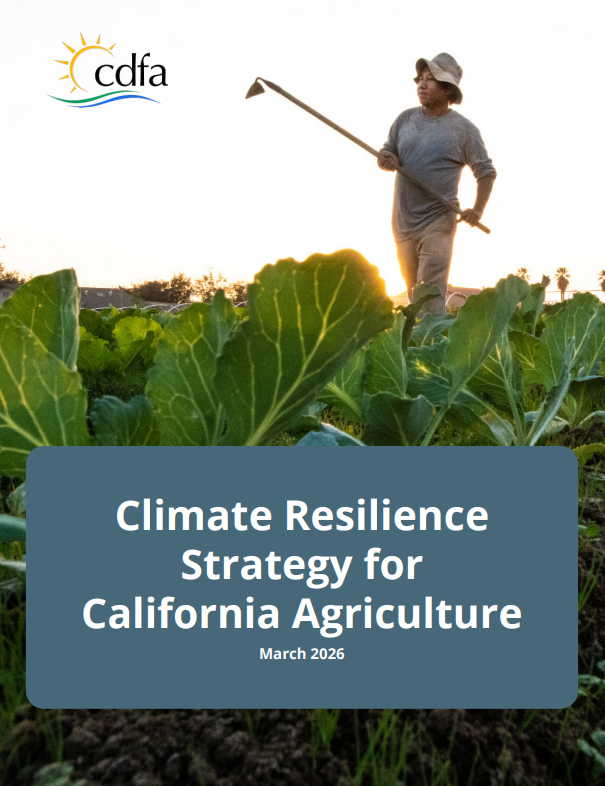
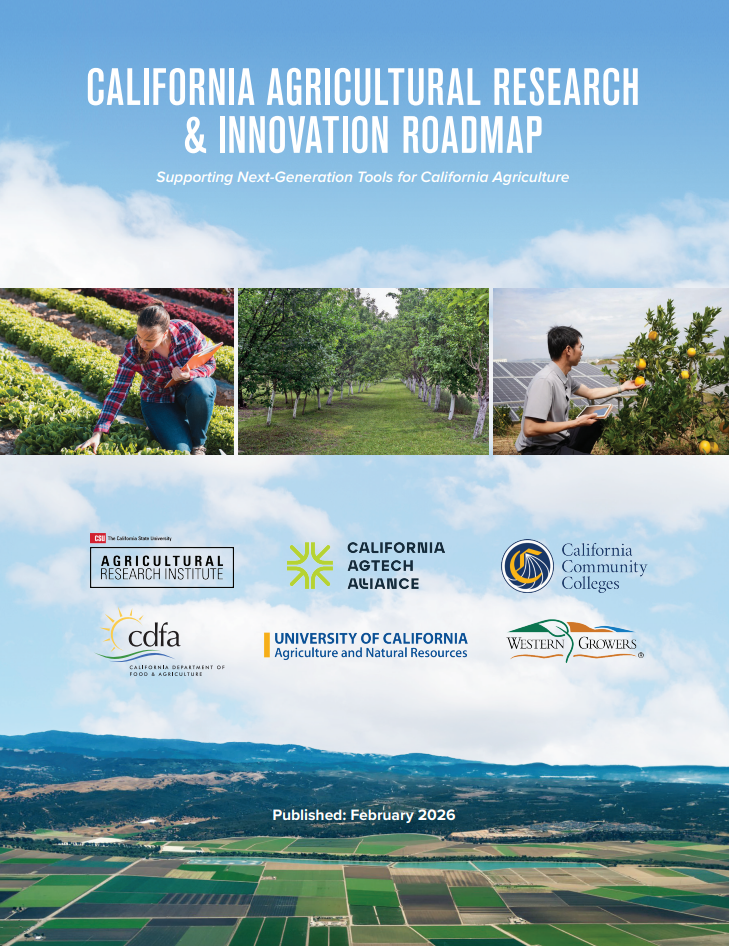
Earth Day is an excellent opportunity to highlight the recent launch of the California Agricultural Research and Innovation Roadmap, a collaborative project with our UC and CSU systems, Community Colleges, the Ag Tech Alliance, and Western Growers. It’s an ambitious and important effort to bring innovative, science-based solutions to the challenges we face in a hotter, drier future. It presents key objectives to help us achieve climate resiliency as presented in last month’s release of the Climate Resilience Strategy for California Agriculture.
Through CDFA’s Climate Smart Agriculture programs, we support farmers and ranchers in adopting practices and technologies that prepare them for drought, extreme heat, shifting pest pressures, and other climate challenges, while continuing to feed communities across California and beyond.
Through innovative programs, collaborative partnerships, and science-driven on-farm practices, we provide practical tools to enhance environmental and economic sustainability. From the ways we address pest infestations and quarantines, to the ways we respond to diseases that threaten the health of livestock, to the ways we support local and regional food systems through our Farm to Fork and Farm to School program to connect institutional procurement to markets for growers implementing climate-smart practices, we strive to make modern agriculture part of the solution. As an important economic driver and as an agricultural community, we are helping California achieve its ambitious climate goals, bring more nutritious, delicious food to students and families, and deliver our bounty to consumers at the local farmers’ market and on commodity exchanges around the globe.
California agriculture is recognized not only for its quality and quantity, but also for the sustainable, innovative, forward-thinking way our food is grown. Earth Day is about celebrating the progress we have made – together.
California Agriculture Day, the state’s annual celebration of agriculture on the west steps of the State Capitol, brought together farmers, ranchers, agricultural enthusiasts and leaders today around this year’s theme: “California Leads.”
California’s First Partner Jennifer Siebel Newsom joined the celebration, praised the much-needed rain, and connected the economic might of the industry and the productivity of its people to the health of students and the pride of all Californians. CDFA Secretary Karen Ross toured the booths, displays and demonstrations, and thanked California farmers, ranchers and agricultural stakeholders for their leadership.
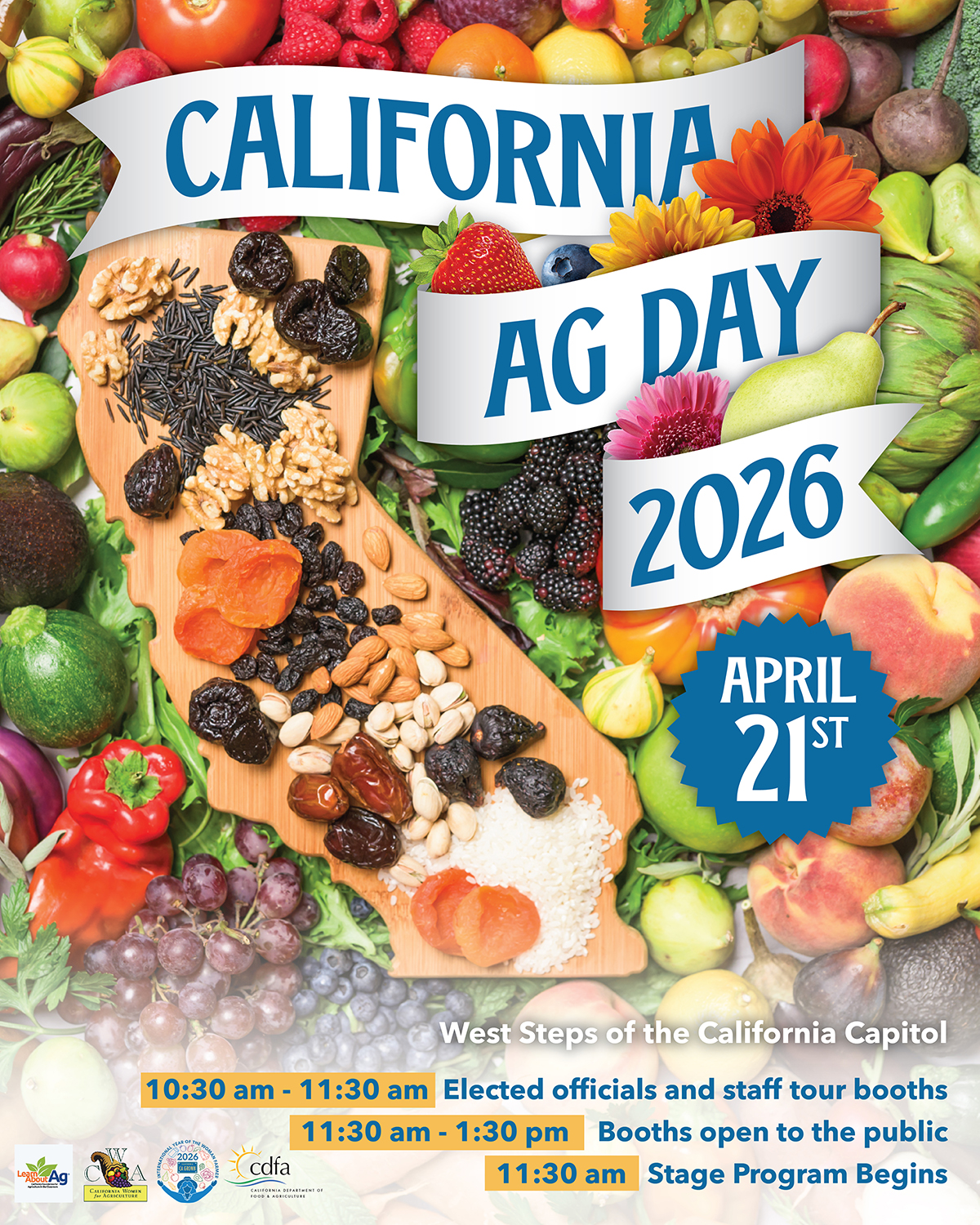
California Agriculture Day returns to the west steps of the State Capitol tomorrow: Tuesday, April 21, 2026. Come on out and help us celebrate our agricultural community!
The event is open to elected officials and staff from 10:30 am – 11:30 am and open to the public from 11:30 am – 1:30 pm.
Our theme this year is “California Leads,” a nod to all of the ways our farmers, ranchers and rural communities lead the nation and the world when it comes to productivity, innovation and sustainability.
2026 is the International Year of the Woman Farmer, so we will also be celebrating the achievements of California women in agriculture, who outpace the national average by making up 38% of producers and operating more farms than any other major ag state.
CDFA’s Office of Agricultural Resilience and Sustainability (OARS) is pleased to announce that Concept Proposal applications are now open for both the State Water Efficiency and Enhancement Program (SWEEP) and the Healthy Soils Program (HSP) Block Grants, funded by the Climate Bond.
This milestone reflects the continued momentum of two of California’s leading climate-smart agriculture programs. Together, SWEEP and HSP support practices that improve water efficiency, build soil health, reduce greenhouse gas emissions, and strengthen long-term resilience across the state’s agricultural landscape. Healthy Soils Program (HSP) Block Grants, funded by the Climate Bond, which allocated $40 million for State Water Efficiency and Enhancement Program (SWEEP) and $65 million for practices that improve soil health or accelerate carbon removal or sequestration.
OARS is currently seeking eligible organizations to serve as Block Grant Recipients for both programs. These organizations will play a vital role in administering funding, delivering technical assistance, and ensuring that resources reach farmers and ranchers across California.
At this stage, CDFA is only accepting Concept Proposals from organizations interested in becoming Block Grant Recipients. These Proposals can also include partner organizations that would assist in providing technical assistance to farmers and ranchers. Submission of a Concept Proposal is required to be considered for invitation to submit a Full Proposal. This phased process will ensure that only the most competitive applicants invest time in developing a full proposal.
This is not a funding opportunity for individual farmers or ranchers. Producer funding will be made available at a later date through awarded Block Grant Recipients, with anticipated rollout beginning in 2027.
To support applicants, OARS has partnered with University of California Agriculture and Natural Resources to provide technical assistance. Community Education Specialists (CESs) across California are available to help organizations develop competitive proposals, particularly those that deliver meaningful and direct benefits to severely disadvantaged communities (SDACs), disadvantaged communities (DACs), tribes, and socially disadvantaged farmers and ranchers (SDFRs). The CESs are holding weekly Zoom meetings during the Concept Proposal phase to address applicant questions, and can also be reached at climatesmartag@ucdavis.edu
Expanding Access Through Tribal Set-Asides
Both programs are also advancing efforts to expand access for California Native American Tribes and Tribal-serving organizations. This effort aligns with the priorities of Proposition 4 and reflects a commitment to addressing the historical underrepresentation of Tribes in SWEEP, while supporting water efficiency and energy-saving projects on Tribal agricultural lands.
During the current solicitation, SWEEP will offer a Tribal set-aside of up to $4 million for qualified Tribal governments and nonprofit organizations affiliated with Tribal governments. Tribal applicants will apply through the same Concept Proposal process and implement block grant projects consistent with other recipients. Additionally, HSP will also make up to $4 million available through a Tribal set-aside opportunity that will open in early 2027. OARS intends to incorporate tribal practices into HSP, including cultural burning. Leading up to the 2027 solicitation, OARS will work in partnership with Tribal communities to develop a tailored Block Grant opportunity through a Tribal consultation process.
OARS is excited to continue building a more resilient, equitable, and sustainable agricultural future for California through HSP and SWEEP, and grateful for the opportunity provided by California’s voters through the Climate Bond.
Application Deadline: May 15, 2026, at 5:00 PM Pacific Time
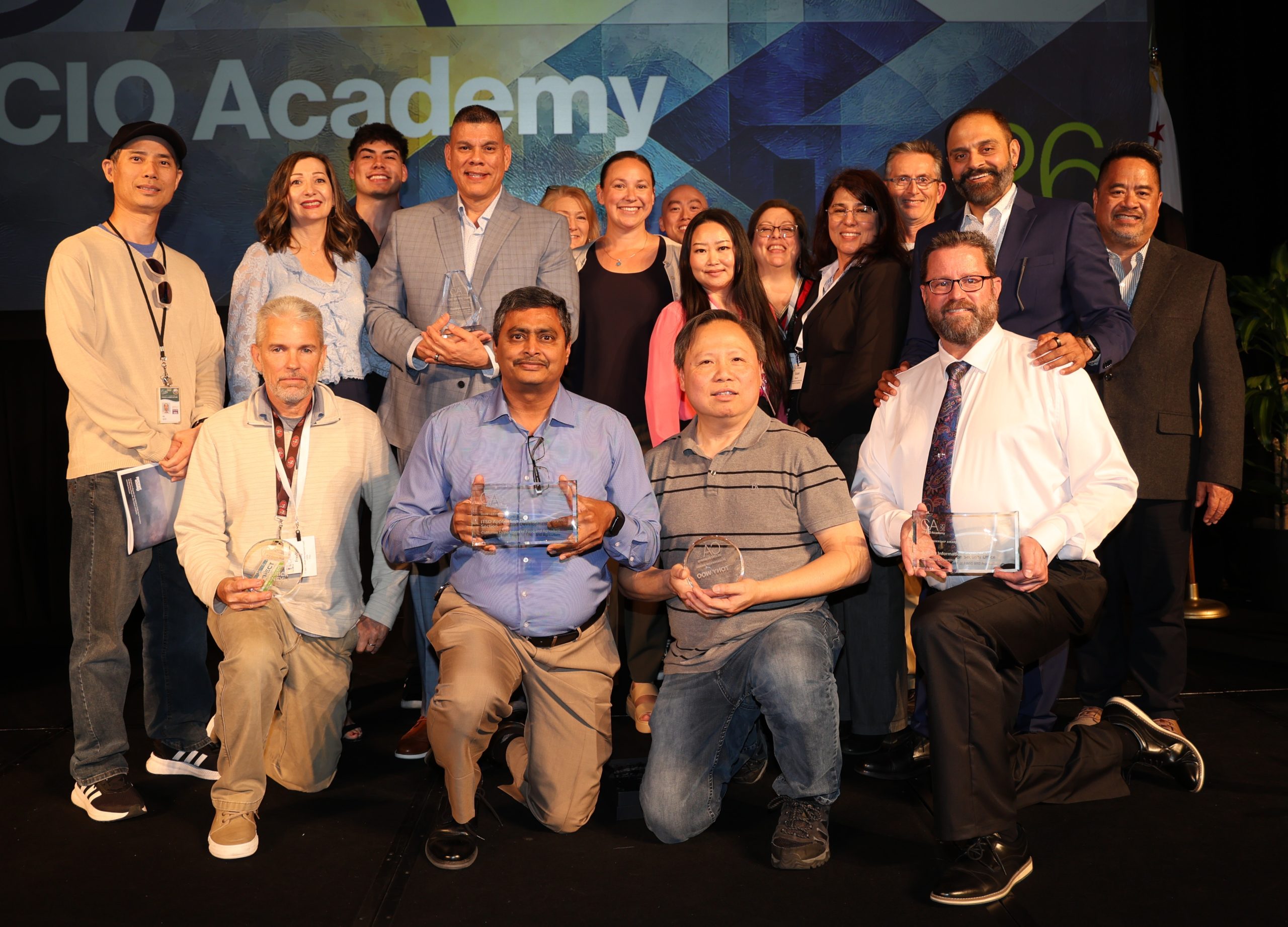
Congratulations to all of our California Department of Food and Agriculture (CDFA) Information Technology (IT) Services Division award recipients and teams recognized at the 2026 CIO Academy Awards! Your dedication, expertise, and leadership continue to drive progress across the agency.
Yesterday evening, CDFA’s IT division was proud to share an extraordinary moment of recognition at the culmination of the two-day California Public Sector CIO Academy 2026 held at the SAFE Credit Union Convention Center in Sacramento, California.
This year’s event highlighted some of the most impactful public sector technology leaders and teams across the state, and California’s agriculture state agency–stood out with multiple awards recognizing leadership, innovation, cybersecurity advancement, and service excellence.
“Congratulations IT team! I am so proud of Fred and our entire CDFA IT office. Since his appointment in June 2024, Fred has led significant IT transformations for the Agency and the Division he oversees, guided by his vision, innovation, leadership, and collaboration. Fred led the effort to transfer an essential IT contract from an outside department and DGS to CDFA, as the current contract was about to expire. These achievements represent far more than awards — they reflect our agency’s commitment to enabling better services for California’s agricultural community, including collaboration across teams and divisions, innovation in solving complex technology challenges, strong cybersecurity and operational resilience, and public service driven by our mission,” said CDFA Secretary Karen Ross.
A Landmark Year for CDFA IT
CDFA IT received an exceptional set of honors, including:
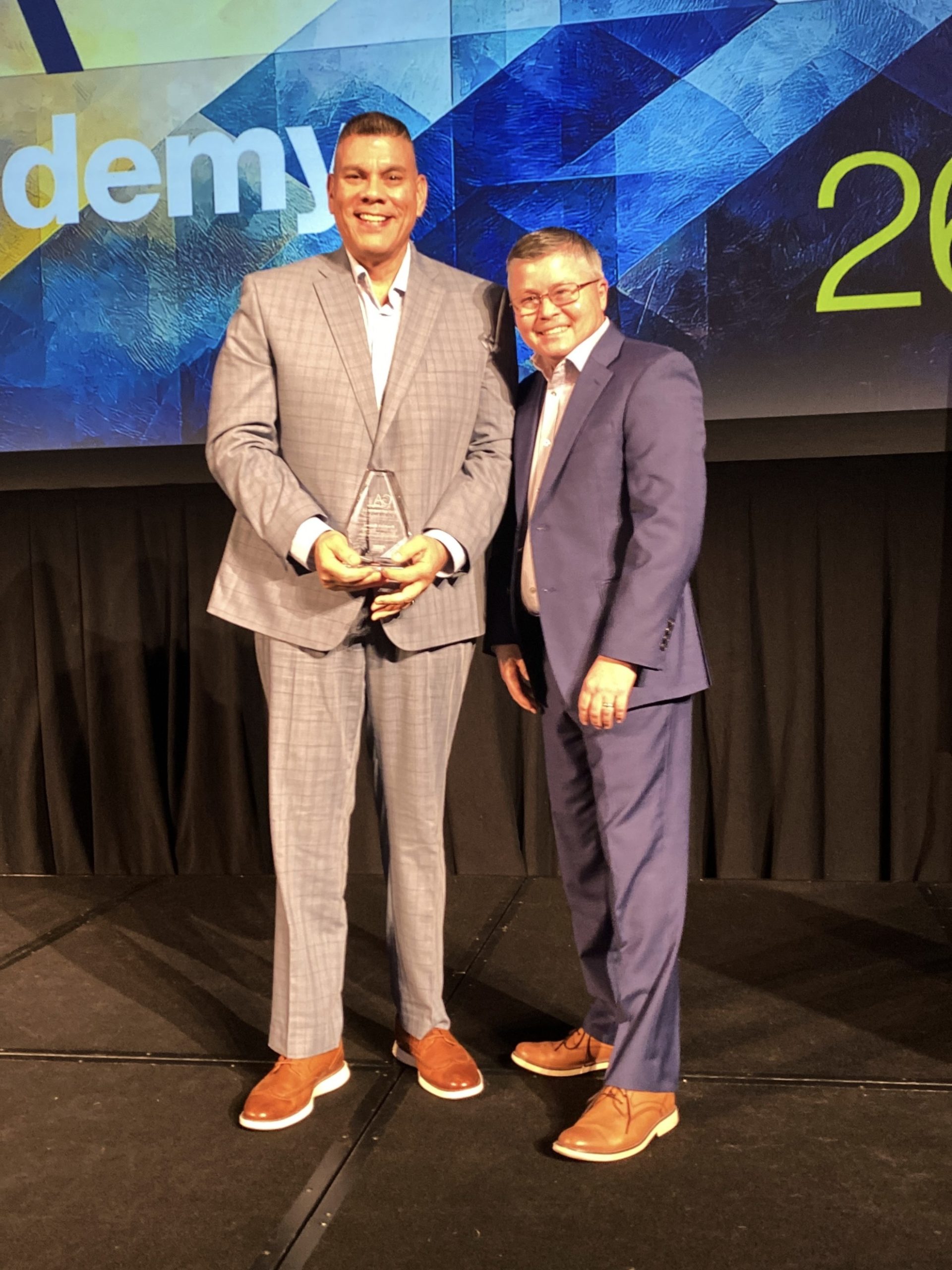
CIO of the Year for CDFA Agency CIO Fredrick Gomez
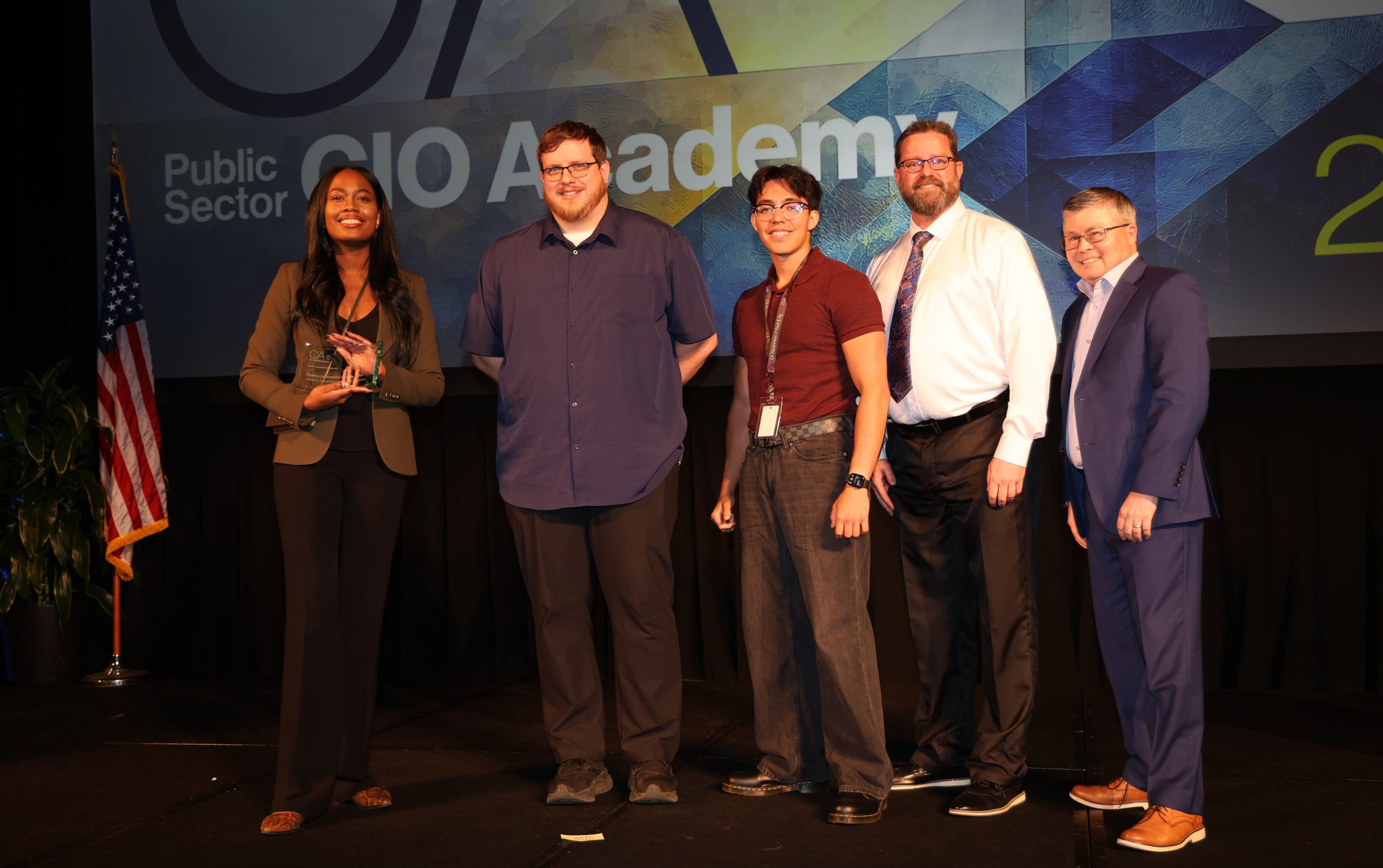
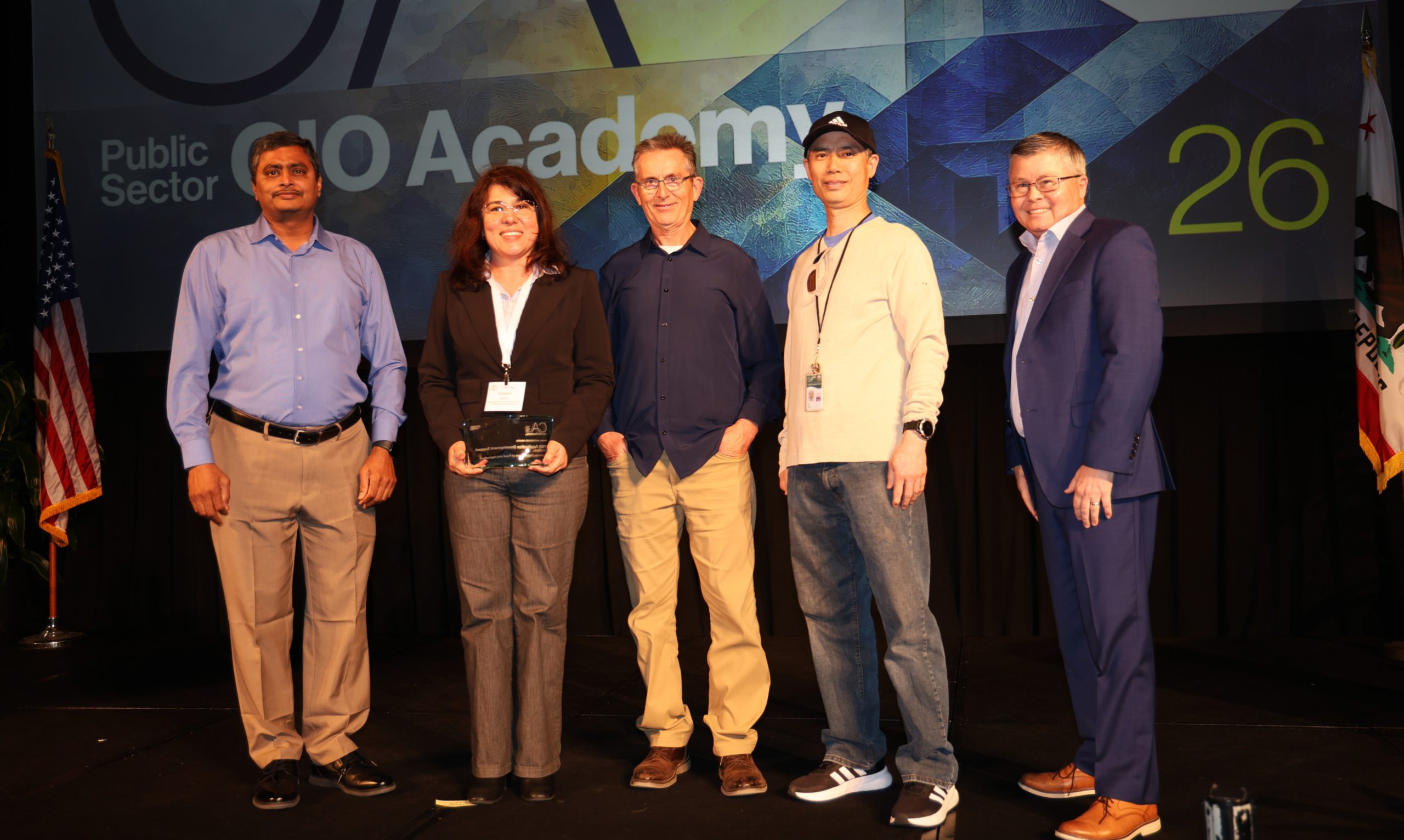
Two California IT Team Leadership Awards
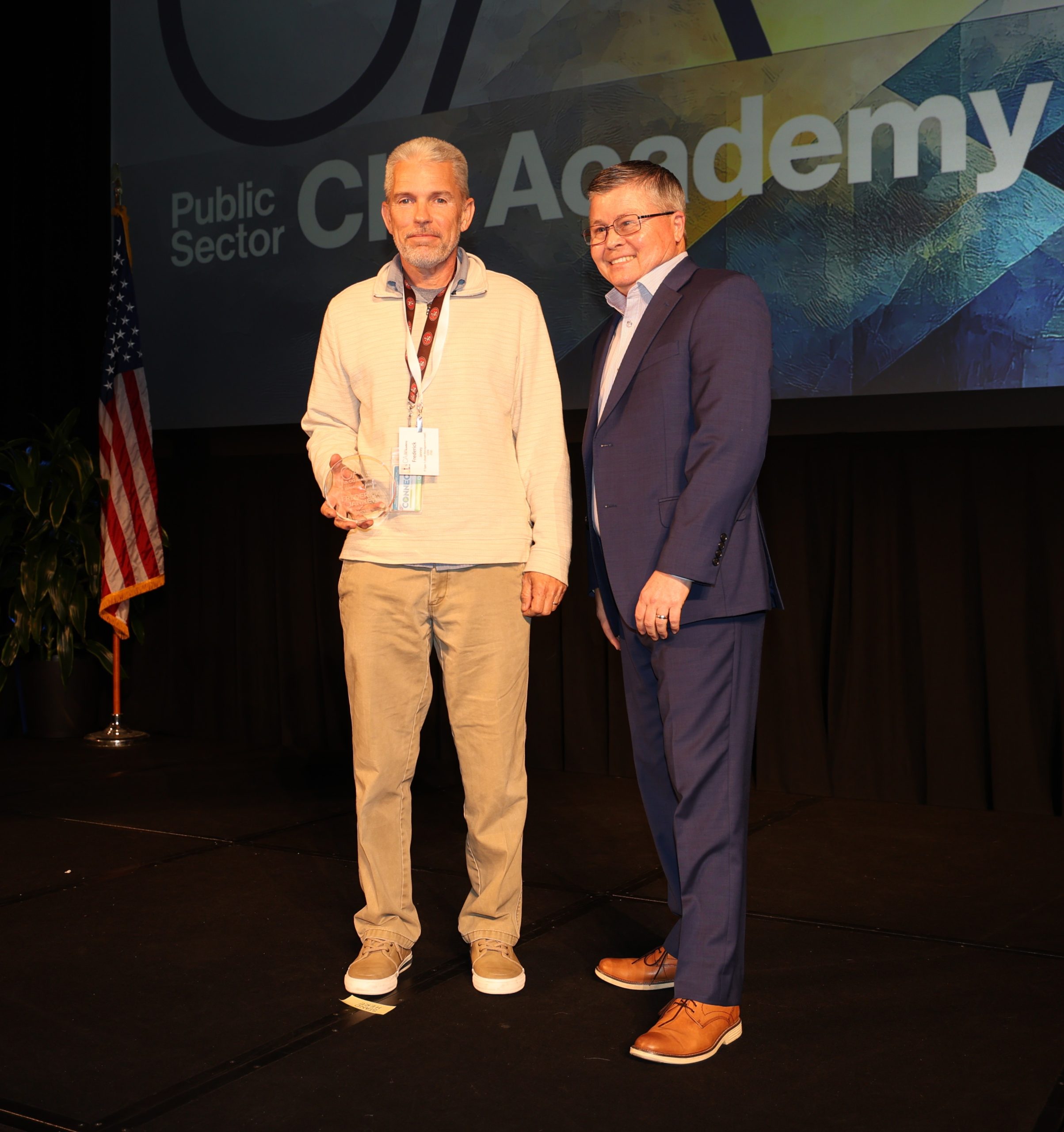
Two Individual Leadership Awards
“These recognitions reflect not only individual excellence but the collective strength, collaboration, and commitment of CDFA’s technology workforce in advancing the department’s mission,” said Fredrick Gomez, CDFA’s Agency Chief Information Officer and Director of the Information Technology Services Division.
CIO of the Year: Leadership Driving Transformation
CDFA’s Agency Chief Information Officer, Fredrick Gomez (left), was named CIO of the Year, recognizing his visionary leadership and impact on modernizing CDFA’s technology landscape.Pictured right, Jared Johnson Deputy State Chief Information Officer and Chief Deputy Director, Department of Technology State of California
Under his leadership, CDFA has accelerated critical transformation efforts, including:
Replacing legacy systems
Strengthening cybersecurity across the department
Driving cost-effective modernization through strategic licensing and cloud initiatives
Supporting enterprise-wide system upgrades and mission-critical implementations
Fredrick has also championed key initiatives that improved service delivery efficiency and positioned CDFA for long-term digital resilience. His leadership continues to foster a culture of innovation, accountability, and “One Team” collaboration across the organization.
“With Fred’s leadership, CDFA has achieved transformative advancements in technology and operational efficiency. His visionary leadership has driven major initiatives that advance digital transformation, strengthen cybersecurity, and enhance service delivery,” said Arima Kozina, Deputy Secretary of Administration and Finance. “His accomplishments reflect the qualities of a forward-thinking, results-driven IT executive dedicated to advancing California public sector IT excellence.”
IT Team Excellence: Strengthening Security and Modernization
Agency Information Security Office (ISO)
CDFA’s Information Security Office received the California IT Team Leadership Award for its significant contributions to strengthening cybersecurity across the department.
Application Development Support Section (ADSS)
The Application Development Support Section (ADSS) also received the California IT Team Leadership Award for its outstanding service delivery and modernization efforts.
Individual Excellence Recognized Across ITSD
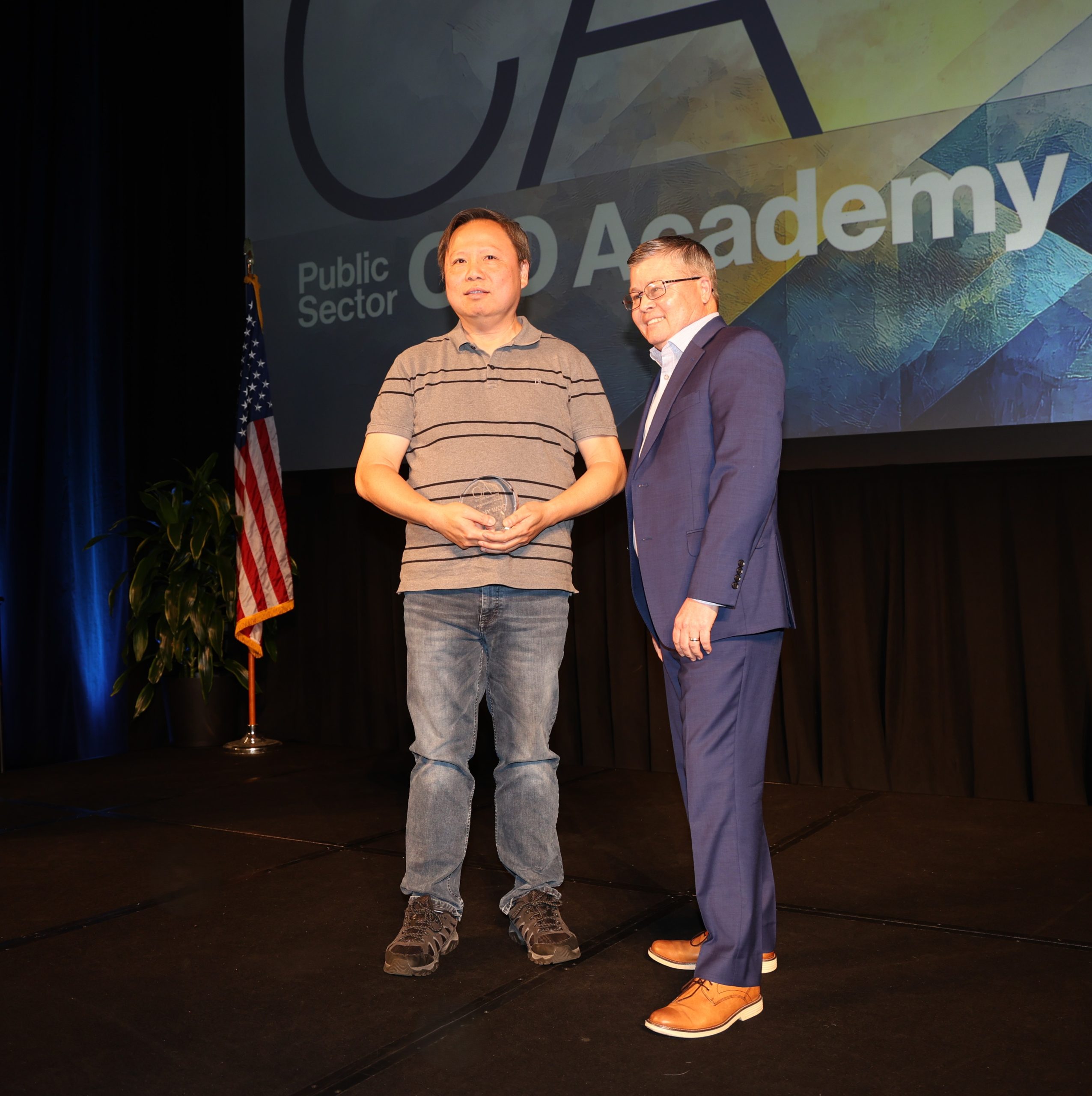
Frederick Janney (left) was recognized for outstanding leadership in IT asset management. After assuming his role, he conducted a comprehensive audit of existing tracking processes and improved efficiency. Working closely with the IT Asset Management Office (ITAMO), he helped implement Lean-based process improvements. His work has strengthened operational discipline and improved resource management across CDFA
Tony Woo (left) was honored for his exceptional contributions to infrastructure engineering and operational excellence. His accomplishments include, supporting enterprise security, network infrastructure, as well as designing and implementing a broadband solution for remote border stations with limited connectivity. Tony’s technical expertise and problem-solving leadership continue to enhance system reliability and connectivity for critical CDFA operations.
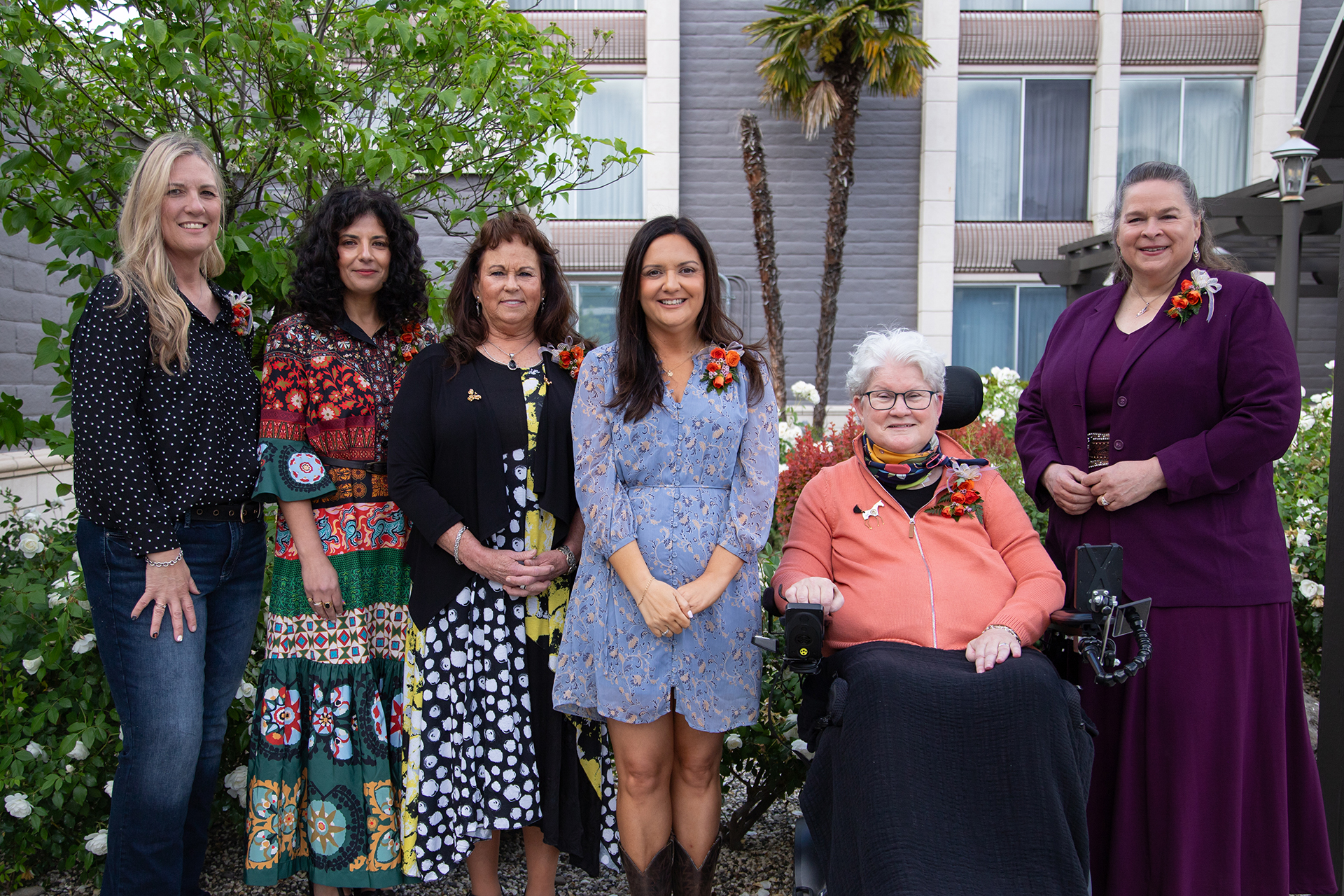
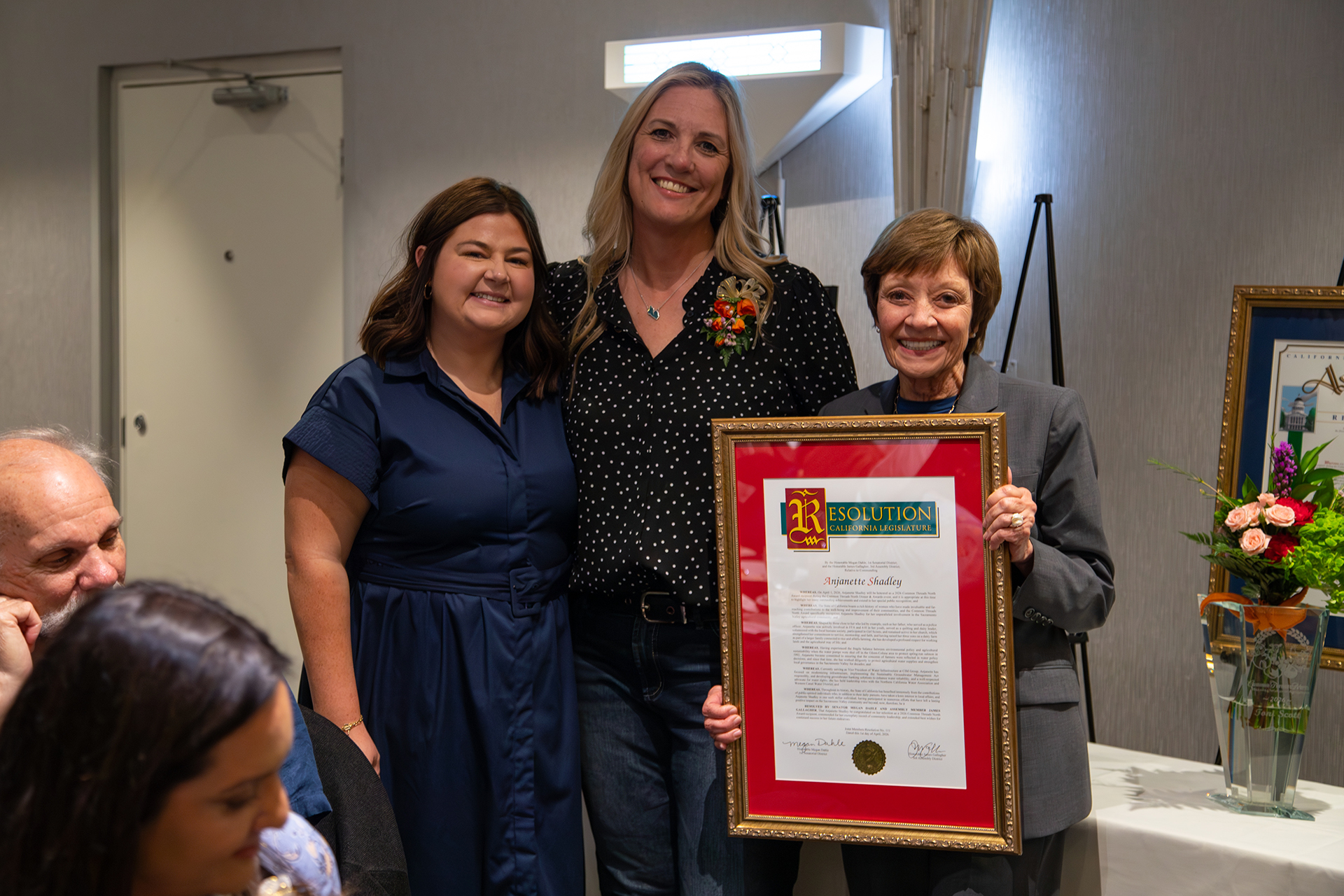
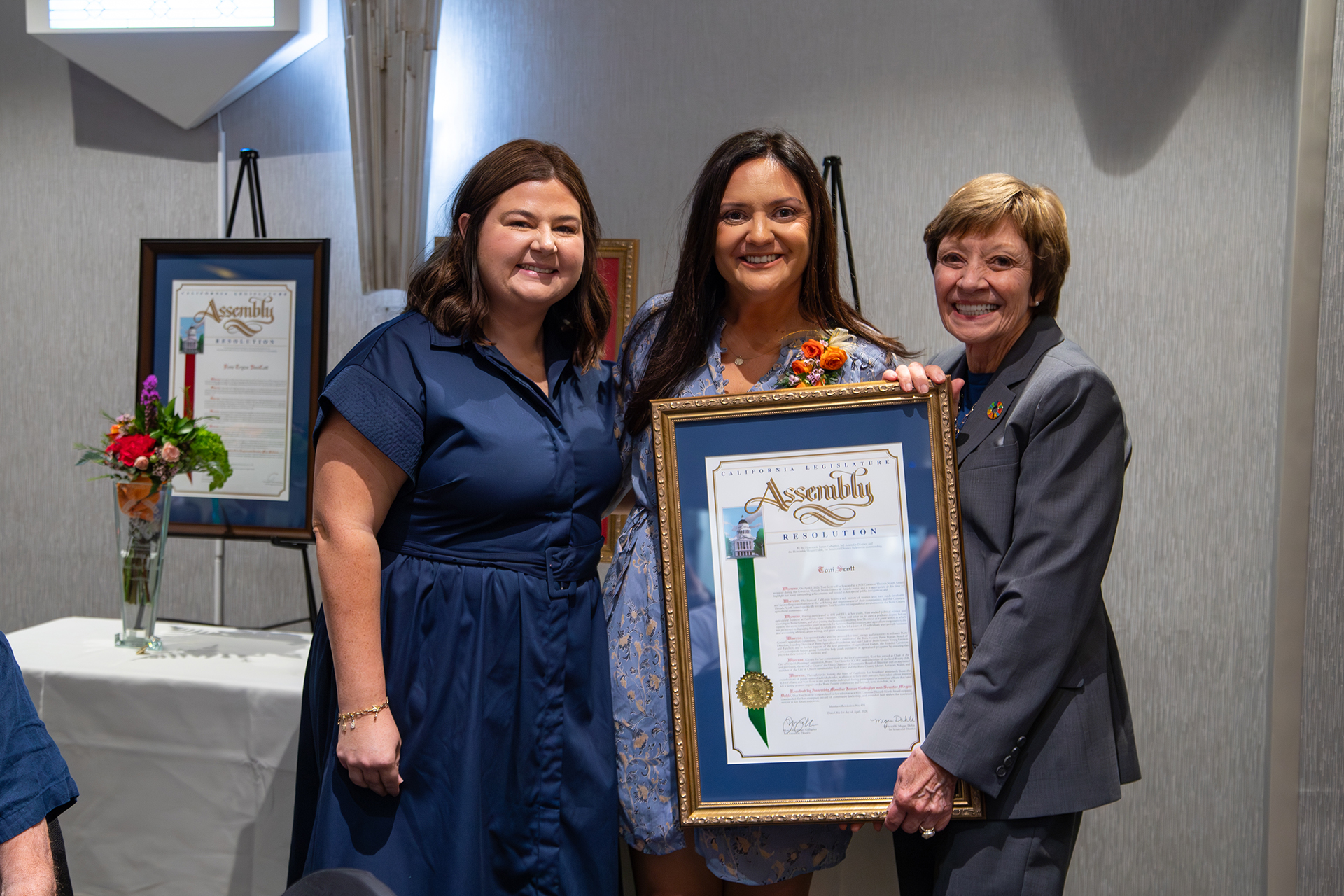
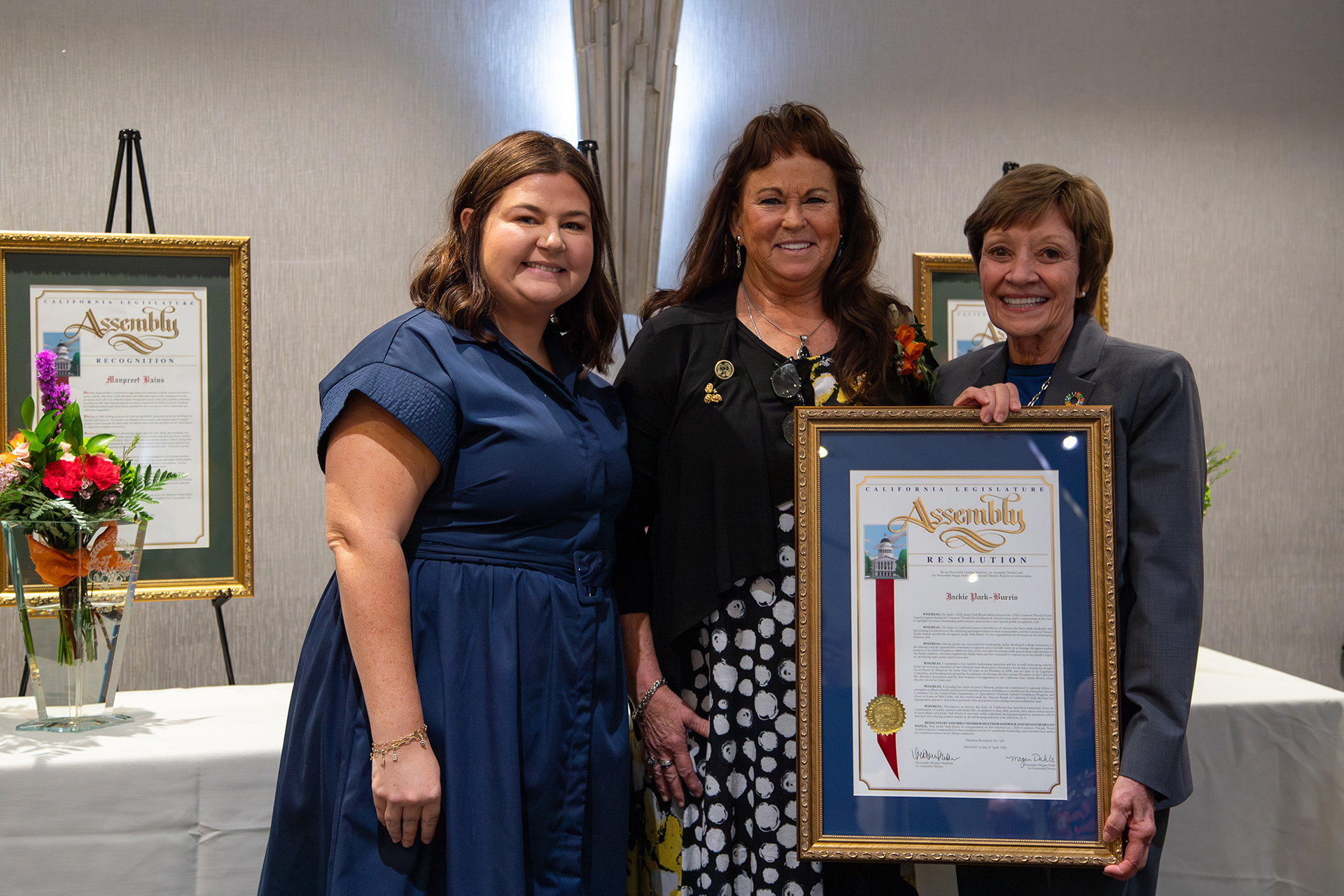
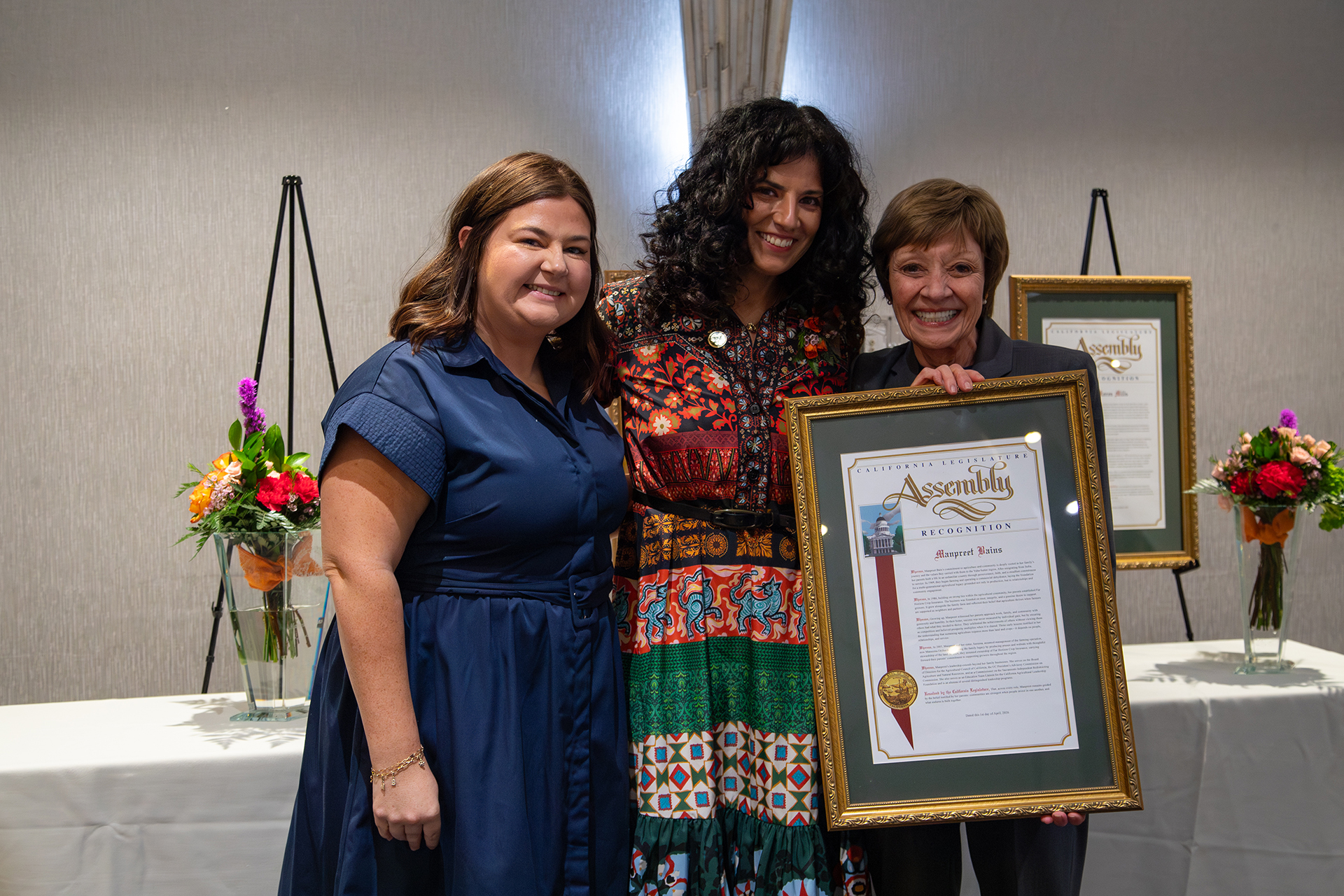
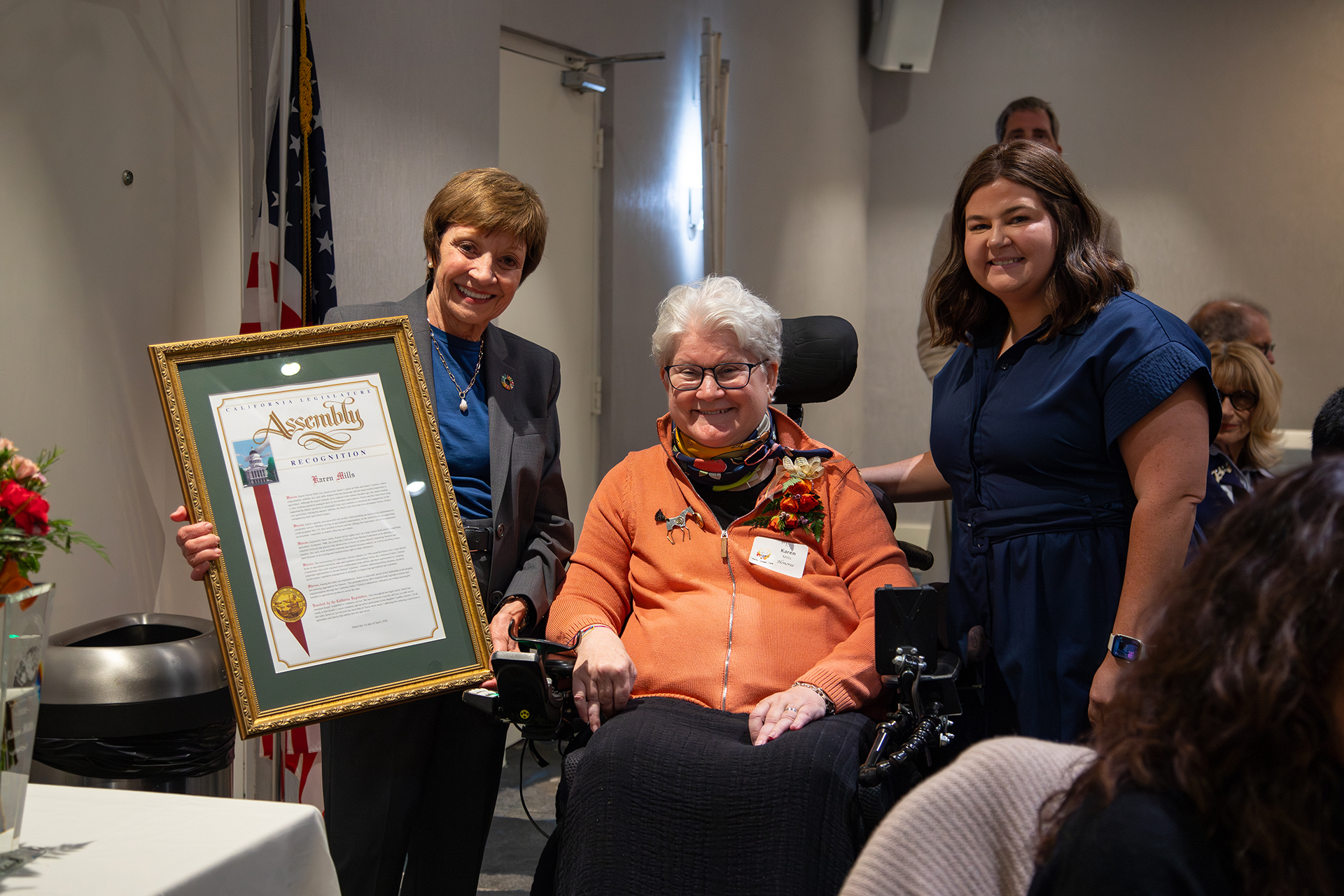
Honorees from the Common Threads North event, from left: Anjanette Shadley, Manpreet Bains, Jackie Park-Burris, Toni Scott, Karen Mills, and Rose Tryon VanCott.
By Sureena Johl, CDFA
Earlier this month, Secretary Karen Ross attended the 2026 Common Threads North event in Chico, an evening dedicated to recognizing women whose contributions have strengthened agriculture and the communities it sustains.
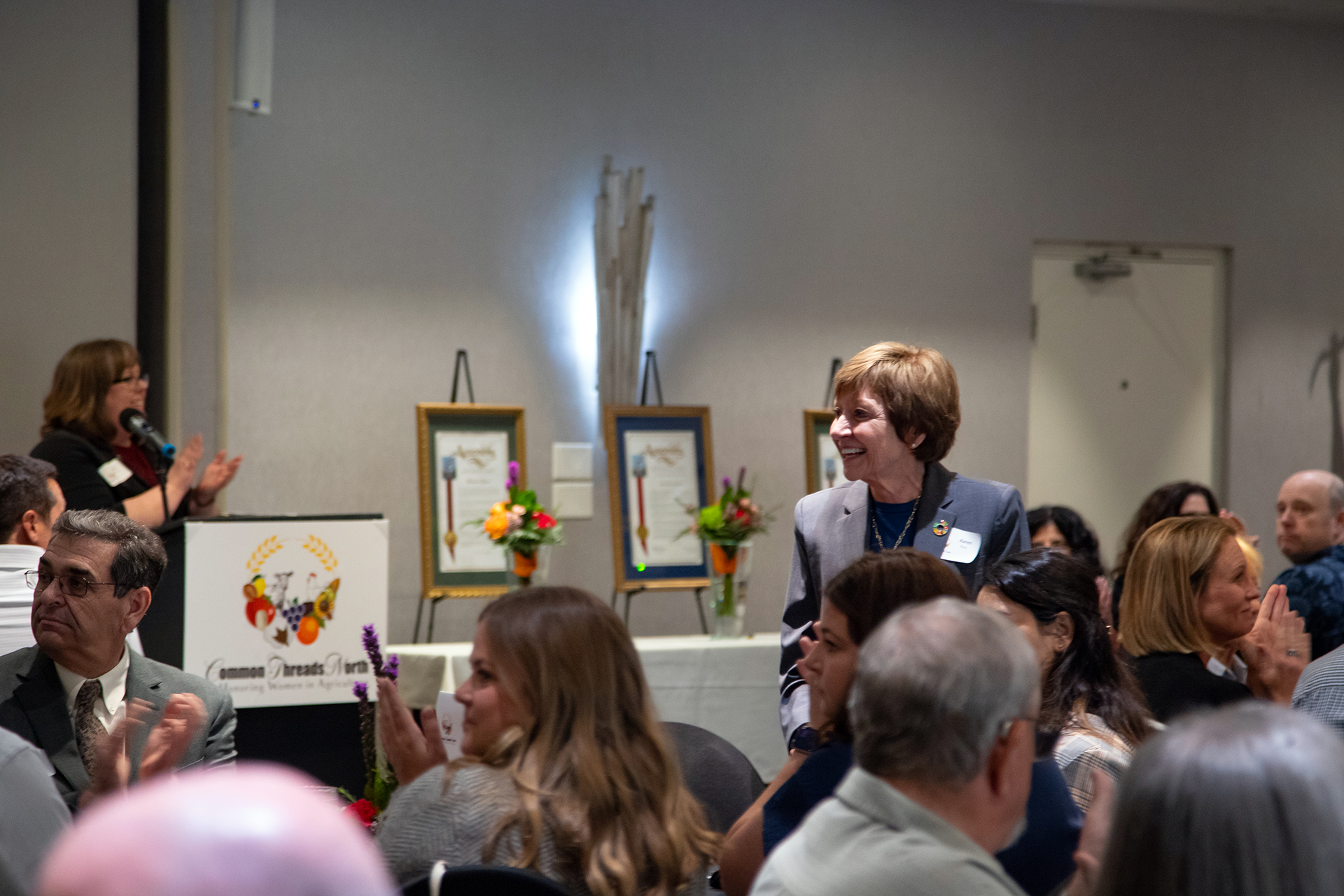
CDFA Secretary Karen Ross makes her way through the room, reconnecting with friends and colleagues.
Common Threads North brought together a diverse group of honorees whose work spans farming, beekeeping, policy, business, water management, and community leadership. While their paths differ, they are united by a shared commitment to service, stewardship, and advancing agriculture beyond their own operations.
This year, the event carried added significance as part of the International Year of the Woman Farmer. While this global recognition elevates the role of women in agriculture worldwide, Common Threads North reflected how that impact is realized at the local level through leadership, innovation, and community investment.
At the center of the evening were the honorees themselves:
Manpreet Bains: Multi-generational farming rooted in stewardship and community
Jackie Park-Burris: Beekeeping that sustains critical pollination systems
Karen Mills: Legal and policy leadership that ensures agriculture has a voice
Rose Tryon VanCott: Advocacy that bridges rural communities with decision-makers
Toni Scott: Business leadership that invests in the next generation
Anjanette Shadley: Water expertise that strengthens long-term agricultural resilience
Their individual stories are powerful, but what resonated most wasn’t any single accomplishment, it was the collective impact and appreciation for their communities.
Events like Common Threads North play an important role in making that impact visible. They create space not only for recognition, but for connection—reinforcing that the strength of agriculture depends on a diversity of voices, experiences, and leadership.
They also offer a moment to pause and acknowledge the people behind the work. In an industry shaped by constant motion and seasonal demands, taking time to recognize leadership is both meaningful and necessary.
In a year dedicated to celebrating women farmers around the world, this gathering in Chico serves as a powerful reminder: supporting women in agriculture is not only about recognition—it is about continued investment in the people shaping its future.
Because when women in agriculture are supported and celebrated, the entire industry grows stronger.
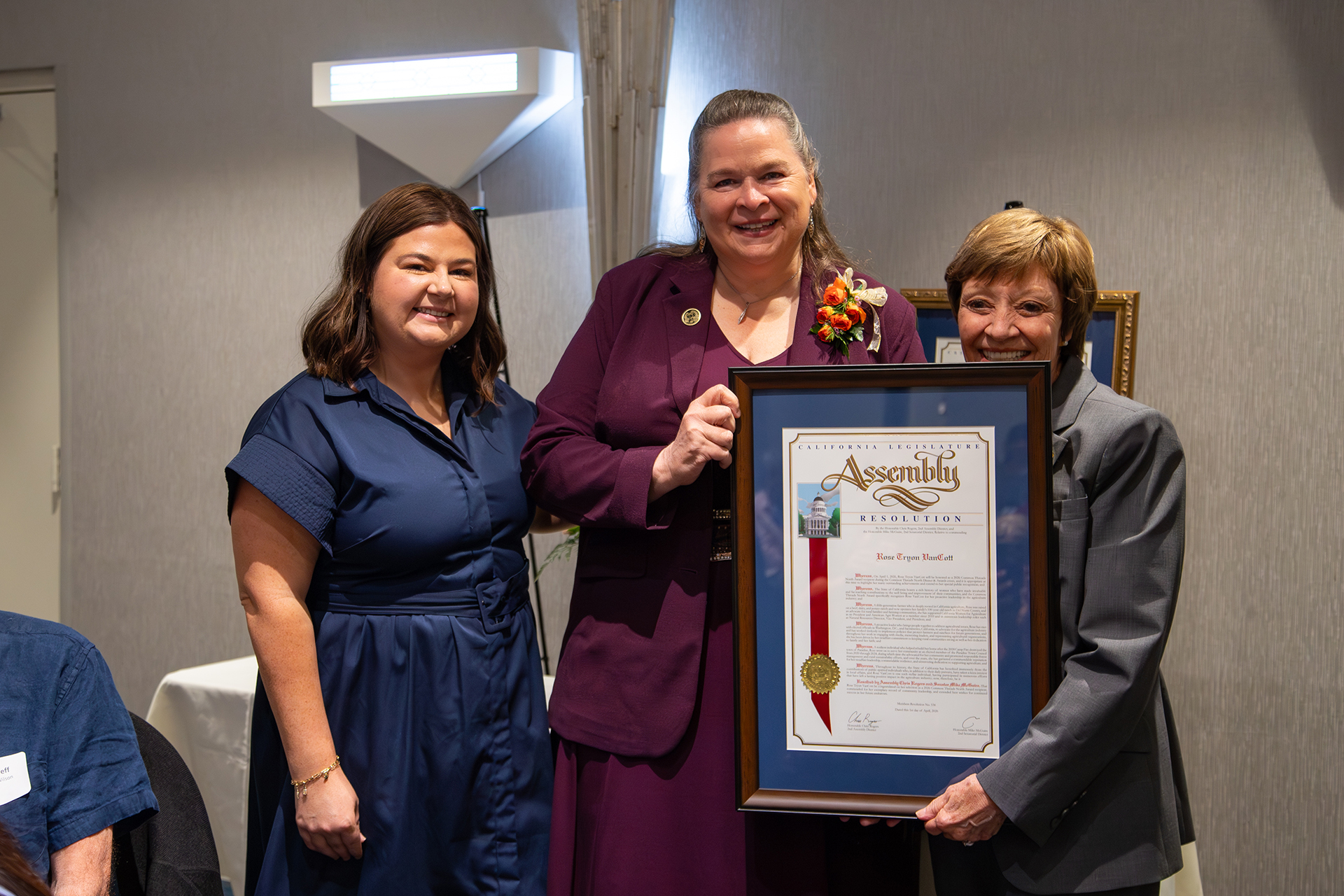
Rose Tryon VanCott accepts her award, with CDFA Secretary Karen Ross (right) and California Pork Producers Association Executive Director Mackenzie Bressler (left).Anjanette Shadley accepts her award, with CDFA Secretary Karen Ross (right) and California Pork Producers Association Executive Director Mackenzie Bressler (left).Toni Scott accepts her award, with CDFA Secretary Karen Ross (right) and California Pork Producers Association Executive Director Mackenzie Bressler (left).Jackie Park-Burris accepts her award, with CDFA Secretary Karen Ross (right) and California Pork Producers Association Executive Director Mackenzie Bressler (left).Manpreet Bains accepts her award, with CDFA Secretary Karen Ross (right) and California Pork Producers Association Executive Director Mackenzie Bressler (left).Karen Mills accepts her award, with CDFA Secretary Karen Ross (right) and California Pork Producers Association Executive Director Mackenzie Bressler (left).
California Agriculture Day returns to the west steps of the State Capitol on Tuesday, April 21, 2026. Come on out and help us celebrate our agricultural community!
Our theme this year is “California Leads,” a nod to all of the ways our farmers, ranchers and rural communities lead the nation and the world when it comes to productivity, innovation and sustainability.
2026 is the International Year of the Woman Farmer, so we will also be celebrating the achievements of California women in agriculture, who outpace the national average by making up 38% of producers and operating more farms than any other major ag state.
Come on out and join us on April 21 and find out even more about all the ways California agriculture leads. The event is open to elected officials and staff from 10:30 am – 11:30 am and to the public from 11:30 am – 1:30 pm.
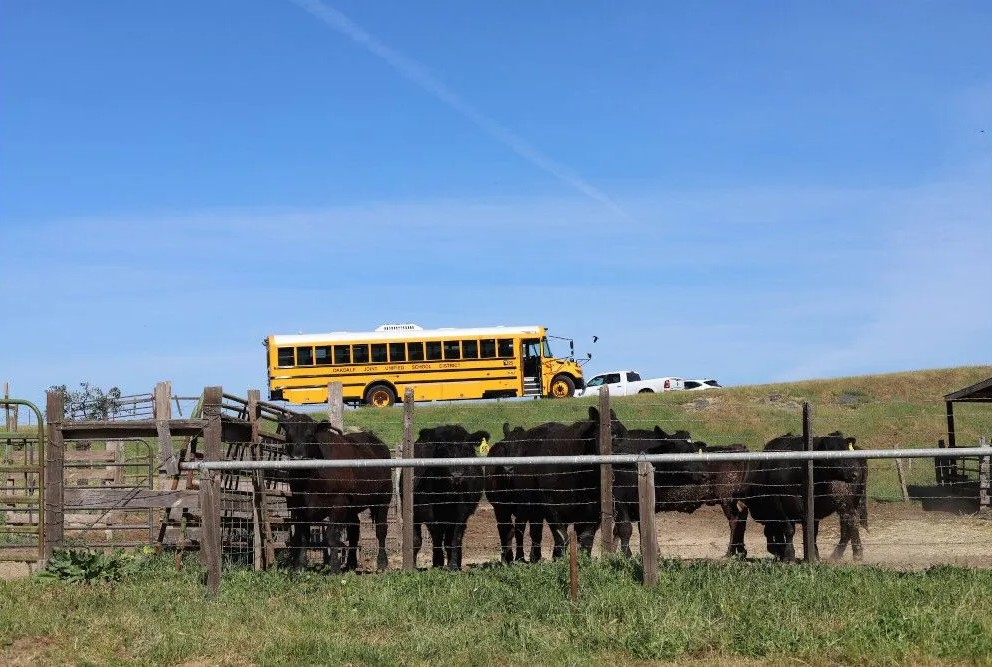
California Beef Council’s “California Beef in Schools” Program helps California beef producers and school nutrition professionals better understand each other’s roles and build connections within the farm-to-school space. (Photo courtesy of California Beef Council)
From the California Beef Council
Tours aim to show how cattle are raised and how beef is processed
ROCKLIN, CA – As schools across California work to incorporate more locally sourced foods into their meal programs, many districts are increasingly exploring opportunities to source proteins directly from producers. California’s Ranch-to-Tray tours help bridge that connection by bringing school nutrition professionals and beef farmers and ranchers together to better understand the pathway from ranch to tray.
“School nutrition staff are a big part of kids’ education because nutrition plays such an important role in supporting their learning, growth, and development,” said registered dietitian Kori Dover, Director of Food and Nutrition Outreach for the California Beef Council (CBC). “School meals are often some of the most nutritious meals children receive, and school nutrition professionals play a key role in making sure students benefit from those meals by keeping them appealing and enjoyable. As schools seek to source more items like locally-raised beef for their menus, school nutrition professionals have a few practical challenges to deal with.”
Specifically, they need to understand how the beef supply chain works and what the pathway from beef production to school meal programs looks like.
The Ranch-to-Tray tours were designed to show the journey of beef, from how cattle are raised in California to how beef is processed and ultimately served in school meals. The intent is to bring school nutrition professionals and California’s beef producers together to better understand each other’s roles and build connections within the farm-to-school space. “We want to make that pathway more visible, practical, and connected to real-world applications,” Dover said.
Last month, two days were dedicated to providing a closer look at how beef is produced and incorporated into school meals.
On March 17, forty-five attendees gathered at the Oakdale Central Kitchen of the Oakdale Joint Unified School District (OJUSD) before traveling to local beef and dairy operations owned by the Hoekstra and Ardis families to better understand the early stages of the beef lifecycle and the connection between dairy and beef systems. Attendees learned about animal care and daily management practices, the link between animal welfare and end-product quality, and how dairy operations contribute to a more sustainable food system by using byproducts and commodity feed sources, reinforcing the connection between dairy and beef production.
Lunch was hosted on-site and featured a St. Patrick’s Day menu including smoked brisket stew, green beans, biscuits with fresh local honey, garden salad, and fresh fruit. The beef served at lunch came from Ardis Cattle Company, which sells directly to OJUSD, demonstrating how direct-to-school purchasing of local beef is already being implemented at the district level.
An afternoon panel Q&A session highlighted the importance of strengthening connections between school meal programs and local producers, as well as the opportunities available to support schools in sourcing local foods. Jason Beach, Director of Café Services for OJUSD, noted that “building direct relationships with local producers helps us serve high-quality meals while also supporting our local community,” adding “sourcing locally allows districts to invest in both students and regional agriculture.” Ross Ardis, owner of Ardis Cattle Company, echoed that perspective, sharing, “It’s exciting to be part of what local kids are eating, especially knowing our own son was one of them, and it’s a way for us to invest in our community.”
The discussion also highlighted available support for schools looking to expand local procurement. “There are resources and funding opportunities available to help schools incorporate more regional and local foods into their meal programs while supporting districts and producers as they navigate the process,” said Michael Ackley-Grady, Farm to School Regional Producer Engagement Specialist for the California Department of Food and Agriculture’s (CDFA) Farm to School Network.
On day two, March 19, thirty-two attendees met at Chico State University for a tour of the Meats Lab and Beef Lab with Haydn Clement, who demonstrated how beef is processed into cuts for foodservice, discussed food safety and handling, and walked through fabrication practices. Lunch featured ground beef tacos prepared by the Columbia Elementary School District, along with Chico State produce from the university farm and fresh local fruit, highlighting how schools are incorporating locally sourced California ingredients into student meals.
“We don’t need to use much seasoning on our taco meat because the fresh ground beef has a rich flavor on its own, and our students really enjoy it. Paired with fresh salsa, it’s a meal students look forward to,” said Deanna Mertle, Food Service Director, Columbia Elementary School District.
Over the course of the two days, school nutrition professionals from twenty-five different school districts took part in the tours, education, and networking. “Networking between schools and beef producers is especially valuable,” Dover said. “Understanding where food comes from and how it fits within the food system is a key part of nutrition education, and it helps connect students to nutrient-dense protein sources, like beef, in school meals while strengthening communities across California.”
About the California Beef Council
The California Beef Council (CBC) was established in 1954 to serve as the promotion, research, and education arm of the California beef industry, and is mandated by the California Food and Agricultural Code. The CBC’s mission is to amplify the voice of the California beef industry to strengthen beef demand through innovative promotions, research, and open communication. For more information, visit www.calbeef.org.
About the Beef Checkoff
The Beef Checkoff Program was established as part of the 1985 Farm Bill. The checkoff assesses $1 per head on the sale of live domestic and imported cattle, in addition to a comparable assessment on imported beef and beef products. States may retain up to 50 cents on the dollar and forward the other 50 cents per head to the Cattlemen’s Beef Promotion and Research Board, which administers the national checkoff program, subject to USDA approval.
About the California Beef in Schools program
The California Beef in Schools program is a collaboration between the California Beef Council and California Cattle Council, and aims to empower youth to make informed food choices that support growth and development throughout their lifespan by providing learning materials on beef and its journey from pasture to plate. The California Beef in Schools mission is to share innovative nutrition education and resources while bringing California’s farmers, ranchers, educators, and school foodservice workers together to support their role in healthy lifestyles for California kids. For more information, visit cakidseatbeef.com.
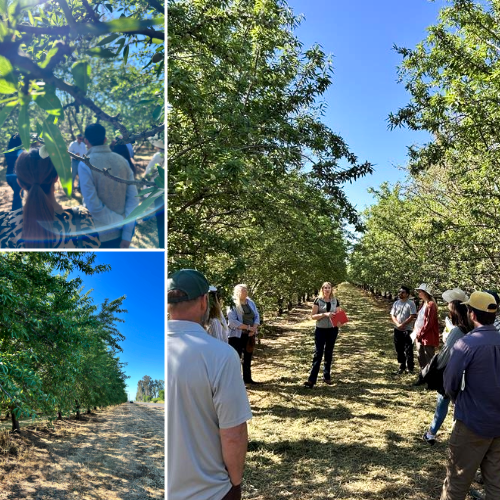
On Monday, April 6, the Almond Board of California hosted a morning in the orchard at Westwind Farms to kick off Healthy Soils Week. Attendees learned from growers and experts about how California almond farmers are using regenerative practices to build soil health and support long-term sustainability.
We started the week with a farm tour alongside the Almond Board of California, where we heard directly about the latest research, industry leadership, and farmer experience shaping soil health on almond farms.
We also appreciated our partners at Sustainable Conservation for featuring OARS Director Dr. Tawny Mata in a recent blog, where she shares insights on strengthening groundwater resilience, advancing healthy soil practices, and bridging the gap between research and real-world agricultural management.
We’ll wrap up the week with a tour alongside our legislative partners, but the message remains clear: healthy soils matter.
Across California, the Healthy Soils Program supports farmers and ranchers in adopting practices that: 🌿 Build soil health 💧 Improve water retention 🦋 Support biodiversity 🌎 Strengthen climate resilience
Because investing in our soils means investing in the future of California agriculture.
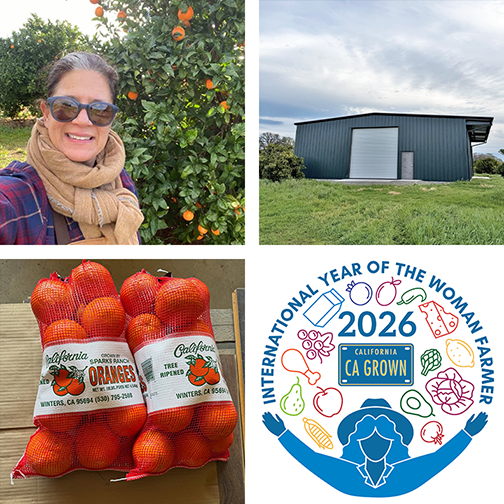
Sparks Ranch owner Karina Sparks received CDFA Farm to School Incubator Grant Program funding in part to build the pictured sorting and storage shed to help expand her Yolo County citrus farm’s offerings to local schools.
CDFA’s California Farm to School Incubator Grant Program supports small to midsize farms while increasing healthy food choices for school meals. And in California, where women outpace the nation by making up 38% of producers, that includes supporting women in agriculture.
For example, Karina Sparks, owner and operator of citrus farm Sparks Ranch in Yolo County, received funding in the 2023/24 grant cycle. Via the farm to school grant, Sparks has increased sales of her high-quality, delicious oranges directly to local school districts – which supports her small, local farm and provides meaningful opportunities for women in agriculture.
Sparks utilized CDFA Farm to School grant funding to build a larger sorting and storage shed, making it easier and more efficient to move and pack citrus, hire additional crew members and expand local citrus offerings into school meal programs.
While her farm to school project is only halfway complete, Sparks noted that “Progress so far has been remarkable – time savings and increased efficiency have made a real difference.”
“School districts are my most valued customers, not only because of the volume they purchase, but because of how much students enjoy the oranges,” Sparks said. “Hearing that they love the fruit—and often come back for seconds—is the best reward, especially during winter when vitamin C matters most.”
With 2026 being celebrated as International Year of the Woman Farmer, Sparks noted that being a woman in agriculture means “breaking barriers. For a long time, agriculture has been a male-dominated field, but women are steadily making their mark. Every year, I see more women stepping into leadership roles across the farming industry. We are proving that there should be no gender barriers in agriculture. As a woman farmer, the shoes I had to step into at the beginning felt very large. But over time, I found my path. After 15 years of running a farm, those shoes no longer feel oversized – I’ve grown into them and am now filling my own shoes. The journey has been incredibly fulfilling. While there is still progress to be made, I’m confident we will continue moving forward quickly.”
The advice Sparks would give to the next generation of women in agriculture is simple: “Don’t give up and work hard. Farming can be challenging, but persistence and dedication will take you far. At the same time, remember to slow down and appreciate the beauty of nature around you. Take time to smell the air, feel the soil and enjoy the land you’re working with. And don’t be afraid or too shy to ask for help. Agriculture is built on community. There is always support to be found in your neighbors, friends and the people around you. Working together and learning from others is one of the greatest strengths in this industry.”
Sparks finds pride and joy in farming.
“I’m proud to be a woman in farming, and I’m proud to keep the Sparks name going strong,” she added. “When I first took over the ranch, I honestly had no idea what I was doing. It truly took a village – support from my community, neighbors, friends and mentors – to help me learn and grow. Now, I can confidently say: I can do this. And not only am I doing it, I’m loving every minute of it.”