

Courtesy of CA GROWN
Artichokes have been grown in California since the late 1880s, but they didn’t always have their modern-day it-girl status. Initially, most of America’s artichokes were imported from France, until World War I disrupted that supply line. California growers banded together to form the Artichoke Growers Association (now the California Artichoke Advisory Board), consolidated packing and transportation, and used refrigerated railway cars to ship CA GROWN artichokes to the East Coast where Italian immigrants were willing to pay a premium. While that was a brilliant short-term business decision, a nationwide marketing campaign focused on teaching consumers how to prepare and serve artichokes was what truly cemented their popularity. And the rest as they say, is history.
Over 100 years later, we think it’s time for a refresher. Let’s take a look at how artichokes are grown in the Golden State – and learn to prep and cook California’s official state vegetable!
Where are artichokes grown?
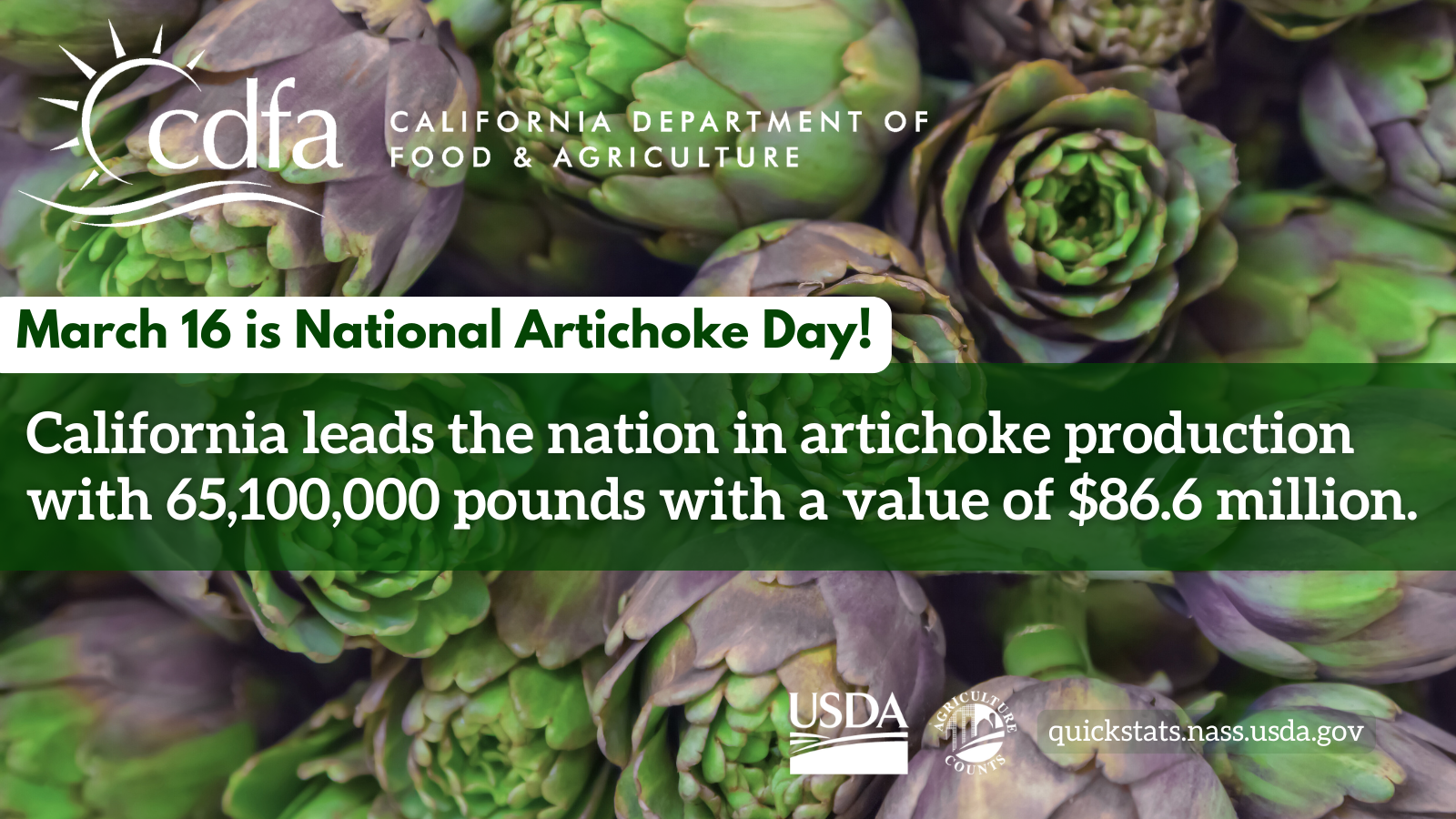
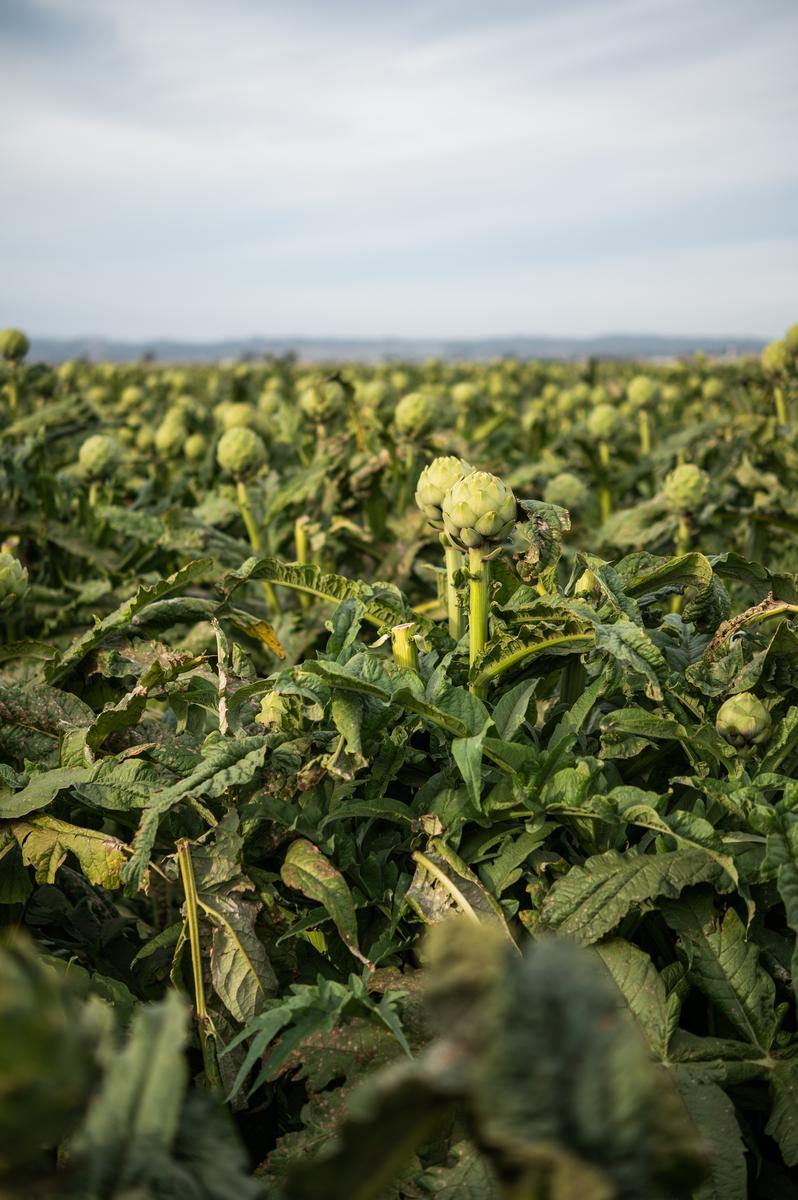
Today, California leads the nation in artichoke production – providing virtually all of the domestic supply. Almost 70% of those artichokes are grown in the small Central Coast town of Castroville, the self-proclaimed (but undisputed) Artichoke Capital of the World.
BOX: It’s no secret that California leads the nation in agricultural production – supplying over half of the nation’s fresh produce and over two-thirds of all fruits and nuts – but did you know that many of those crops are grown only in California? Learn more
Artichokes: Fruit, vegetable or…flower?
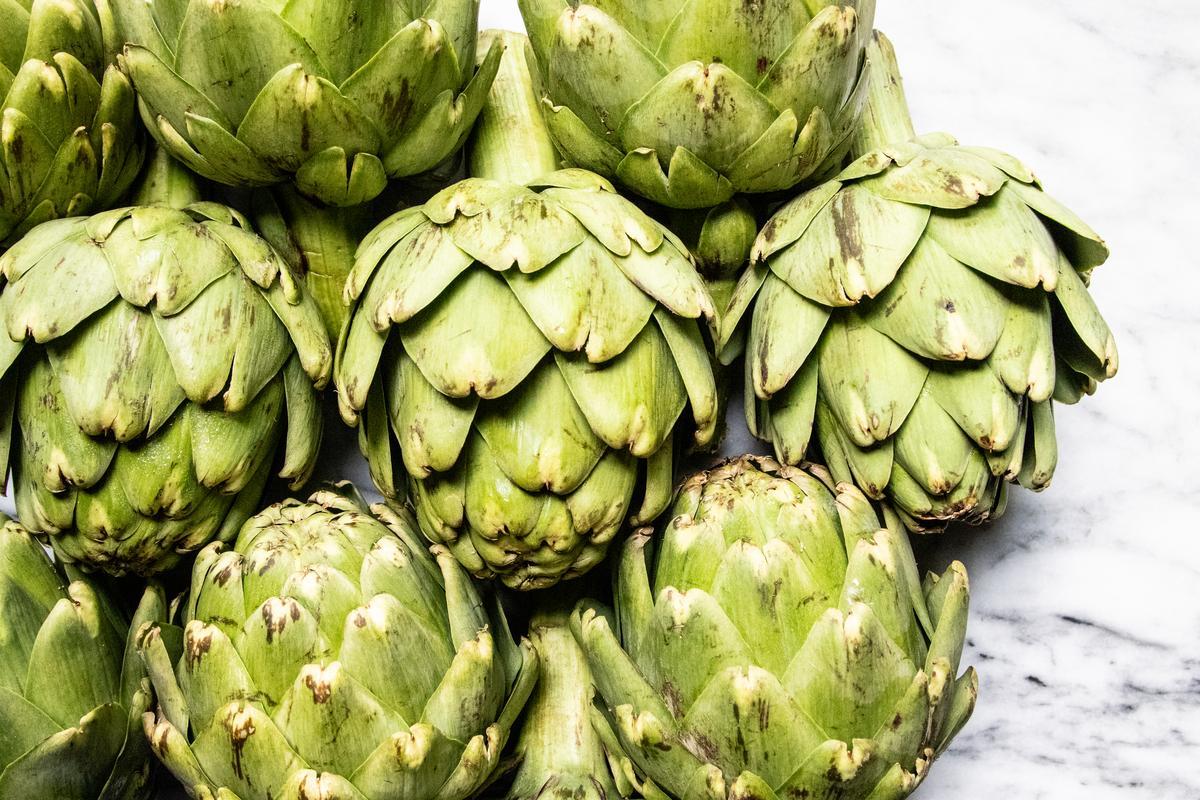
Artichokes are California’s official state vegetable – and while that’s technically the prevailing classification, the part of the plant that you eat is actually an immature thistle flower. Artichoke plants can be annuals or perennials. Annual artichoke plants are replanted every year, whereas perennial artichoke plants, like those at Pezzini Farms, can remain productive for over 100 years!
How are artichokes harvested?
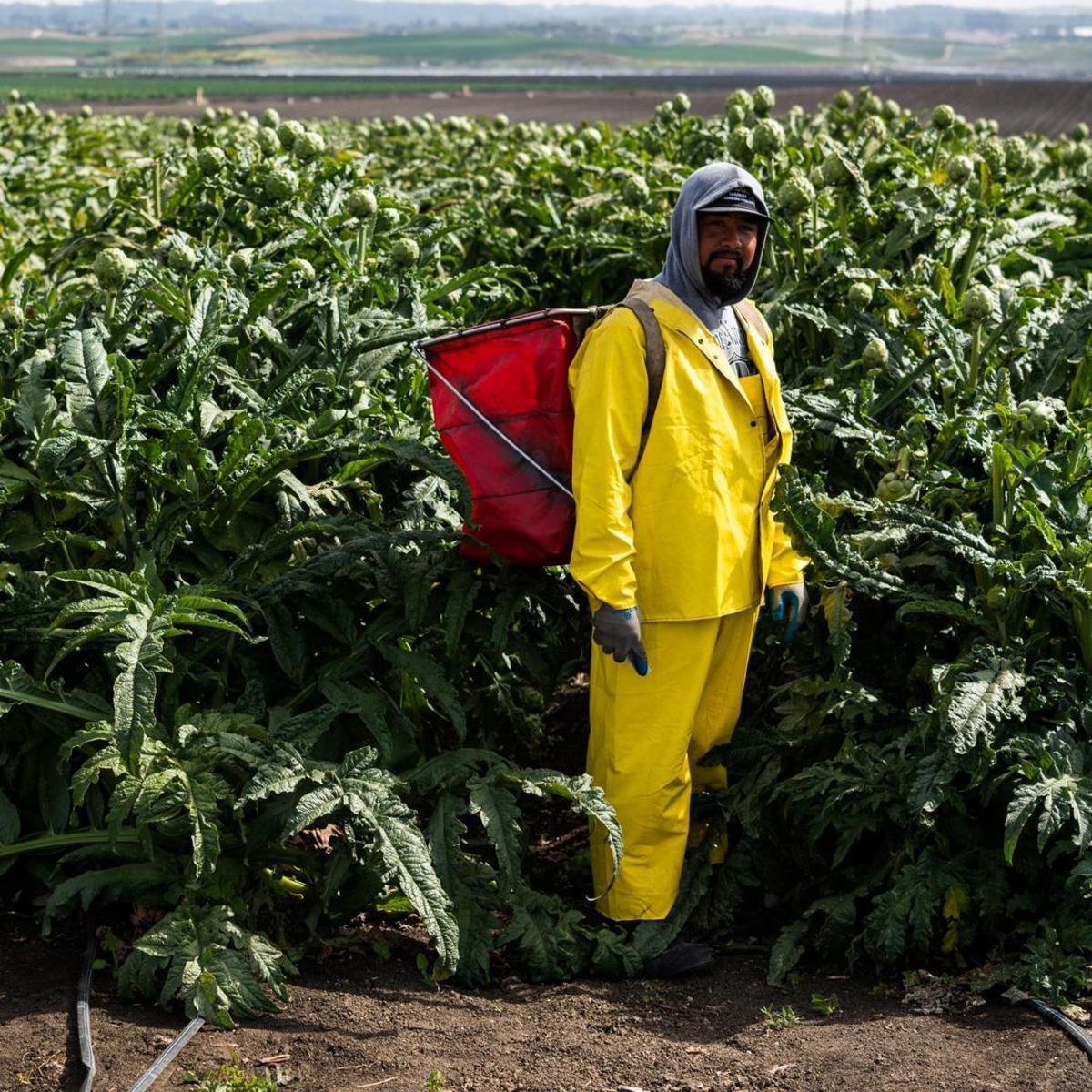
Artichoke harvest is not for the weak…literally! The harvest team walks down each row, using a special knife to carefully (but quickly) slice ripe artichokes from the plant. The harvested artichokes are stored in a backpack and collected at the end of the row, where they are sorted and field packed. If you’re thinking that doesn’t sound too challenging, keep this in mind: the harvest backpack (called a canasta) can weigh 80-100 pounds by the end of each row!
BOX: Each artichoke plant can be harvested seven to ten times over the course of two or three months!
When are artichokes in season?
Artichokes are always in season in the Golden State. Fresh artichokes are at their peak from March through May. A second, smaller harvest takes place in October. To enjoy artichokes year-round, simply fill in the gaps with canned, jarred and frozen artichokes – all of which should be readily available at well-stocked grocers.
How to prep and cook an artichoke
Don’t be intimidated by artichokes! Sure, artichokes require a bit of prep, but once you know what to do, it’s super simple (and so worth it).
How to prep an artichoke
What you’ll need: Cutting board, scissors (optional), small paring knife, large chef-style knife
- Use kitchen scissors or a small paring knife to trim the tips of the tougher outer leaves and any thorns.
- Using a larger knife, shorten the artichoke stem to about an inch in length. (You can stop here if you are steaming or boiling the artichoke, do the next steps if you are grilling or roasting)
- With the same large knife, cut the artichoke in half lengthwise.
- Using the small paring knife, carefully cut out the fuzzy choke from the center of the artichoke.
How to cook an artichoke
Once you’ve prepped your artichoke, the options are limitless. Artichokes are delicious steamed, grilled, roasted – even microwaved! Check out these links to master a few basic techniques.


The best artichoke recipes
Ready for a few restaurant-worthy dishes that are sure to wow any crowd? Check out these incredible artichoke recipes!
Spinach and Baby Artichoke Bread Pudding
California-Style Stuffed Artichoke
Paella with Artichoke Hearts and Seasonal Vegetables from This Mess is Ours
Zesty Artichoke Pasta Salad with Goat Cheese from A Table Defloured
Lemon Artichoke Chicken from Salt and Wind
Article by Hilary Rance and photography by James Collier for CA GROWN.
Resource: