


Here in California, our farmers and producers are deeply committed to sustainable agriculture. More than 98% of California farms are family-owned, and conserving resources while caring for the land ensures that it remains productive for generations to come.
Throughout April, people across the globe have celebrated Earth Month, a holiday designed to raise awareness of conservation efforts and sustainable initiatives that help ensure a healthier planet. In celebration of Earth Month, let’s learn more about sustainable agriculture and explore some of the innovative ways that farmers throughout the state have learned to work in concert with their natural environment.
What exactly is sustainability in agriculture?
The word “sustainable” is a bit of a buzzword. Over the last few decades, the term has been used carte blanche, causing a bit of confusion about what sustainability actually entails. Our friends at California Grown use “the 3Es” to help explain the three most important tenets of sustainability in agriculture.
- Environmentally Sound: Environmental sustainability is the poster child for sustainable agriculture. Think solar panels, drip irrigation and cover crops.
- Socially Equitable: Social equity refers to how businesses care for their people and community. Is the business making the surrounding community a better place and improving employees’ lives?
- Economically Sound: We know…it’s not polite to talk about money, but in this instance, it’s hugely important. If a business can’t stay in business, the operation is not sustainable!
Sustainable agriculture looks different throughout the state
Some of the misunderstandings surrounding sustainability may stem from the fact that it’s less of a checklist and more of a moving target. Because no two farms, vineyards, ranches or dairies are the same, sustainability looks different on every one – and in many ways, there’s no true finish line. In fact, certified sustainable farms are required to continually demonstrate improvement, always seeking new ways to reduce their carbon footprint, conserve resources, preserve biodiversity, and protect the land.
Let’s take a closer look at how California farms and ranches across the state are working with their unique environments and embracing sustainable agriculture.
Tulelake Basin
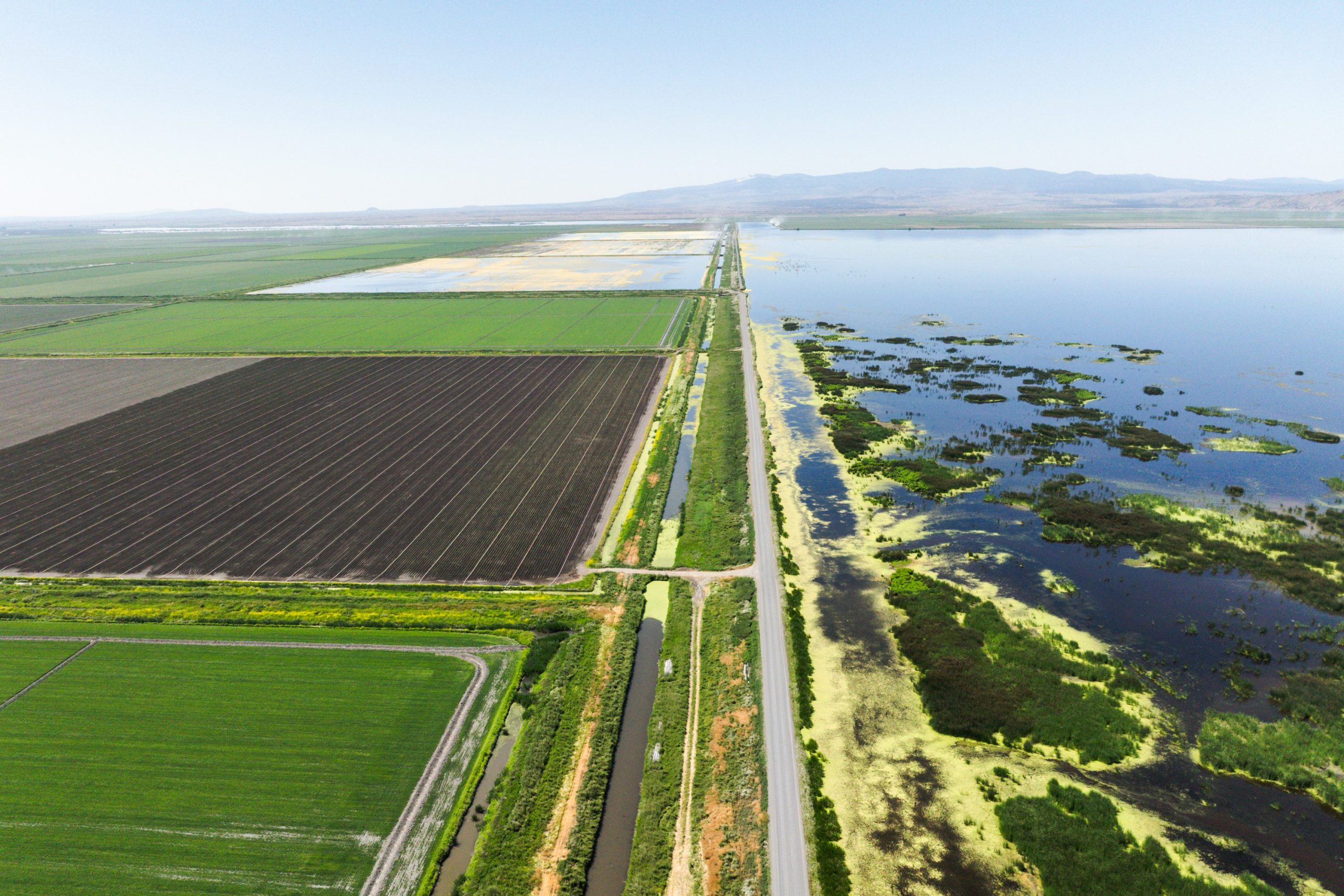
Scott Sues grows horseradish and mint in Far Northern California’s Tulelake Basin, an area defined by wetlands and wildlife. The boundaries of his farmland also happen to be within one of California’s few wildlife refuges where farming is still allowed. Deer, antelope, and elk are considered part of the environment – not pests – even when they snack on mint. Scott and his team pay special attention during harvest to protect local wildlife.
Water management in the Tule Lake basin is also unique. Because the land sits on an ancient lake bed, deficit irrigation can cause the soil to crack and damage nearby roads and structures. Instead, flood irrigation helps maintain soil stability. Scott explains, “The Klamath Reclamation Project is developed in a way that brings water from the top of the system down through it. Water is applied to a farmer’s field to the north of me. Then, through a series of drain ditches, they recollect the water, pumping it up for the next farmer to use. So, the land is actually part of our sponge and part of our water supply here. By flood irrigating and moving those crops around, we’re actually sustaining the floor of our valley.”
Scott’s neighbor, Marc Staunton, grows potatoes using a wetlands rotation system—farming fields for four years, then flooding them for two years to return them to wetland conditions. Marc explains, “What we’ve found is that a two-year full-season flood almost mimics returning back to that natural state of being a perpetual wetland. There’s a dramatic reduction in disease pressure, weed pressures go way down, soil nutrients go way up. It’s like virgin soil that’s never been farmed.”
Sonoma and Napa
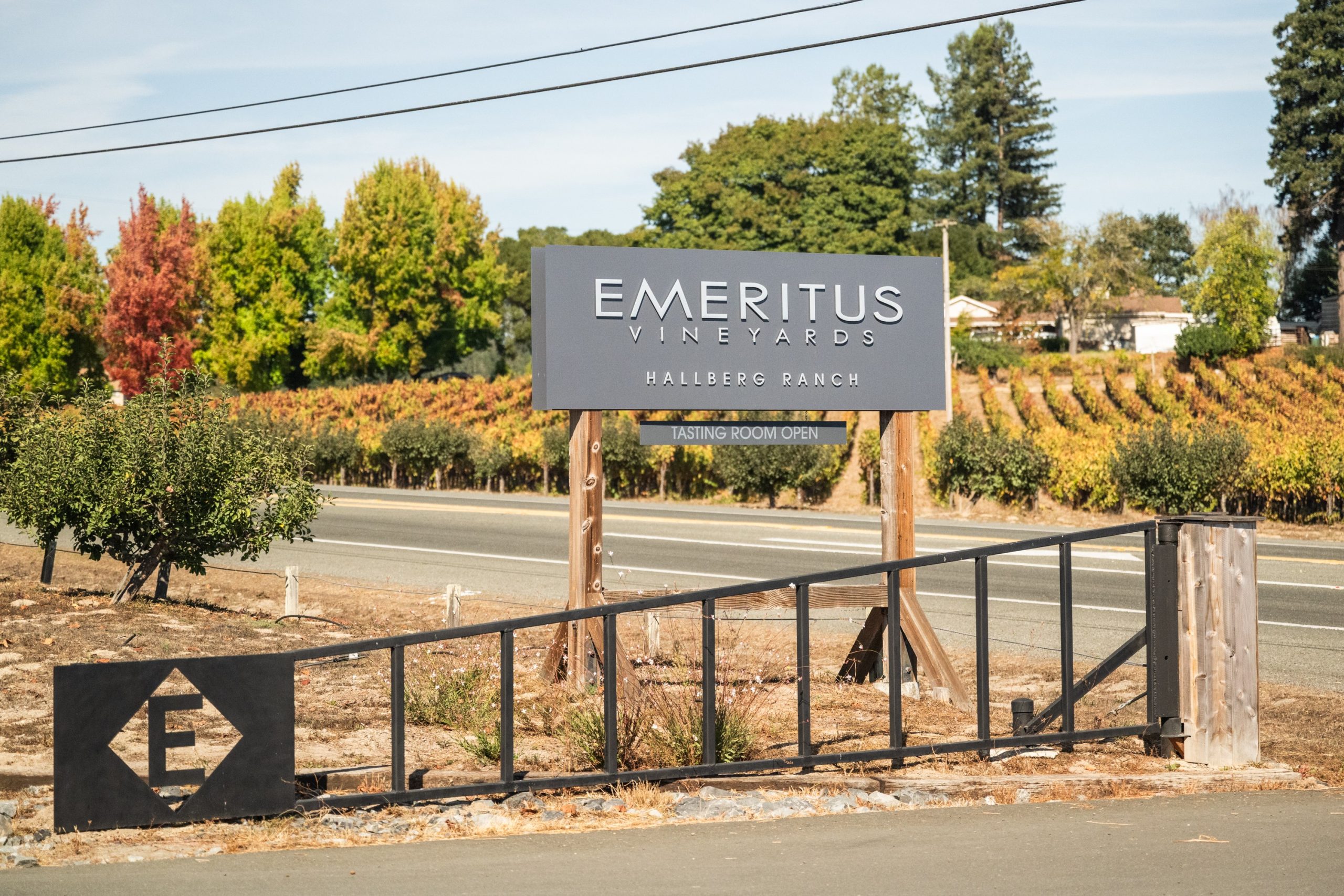
Over 99% of all Sonoma vineyards are certified sustainable – making this part of California Wine Country the world’s most sustainable wine region. At Emeritus Vineyards, water conservation takes center stage. Their vineyard is exclusively dry-farmed – meaning Mother Nature is in complete control. Riggs Lokka, Emeritus’s second-generation vineyard manager, explains, “We allow rainfall to justify how vigorous the vines will be and how much crop they’ll produce.”
Part of the reason this is possible is Sonoma’s proximity to the coast, but varietal selection also plays a key role. Emeritus Vineyards specializes in Pinot Noir, a grape particularly well suited to dry farming. With less water, the vines experience mild stress, producing smaller berries with more concentrated flavor – and, consequently, sought-after wines.
In nearby Napa Valley, the vineyards and wineries are equally committed to sustainable grape growing and winemaking. Steve Matthiasson, owner and winemaker at Matthiasson Wines, was an early proponent of sustainable winemaking and even helped author the state’s first sustainability handbook, Lodi Rules. At Matthiasson Wines, Steve prioritizes soil health to improve the quality of his grapes and reduce water usage. He strategically employs cover crops to reinvigorate soil, encourage beneficial microbes and prevent water run-off. Healthier soil helps the vines become more resilient, heat-tolerant, and drought-resistant—allowing the team at Matthiasson to use less water while still producing world-class wines.
Central Valley
California sunshine isn’t just a stereotype – on average, California residents enjoy over 260 sunny days each year. The Central Valley – made up of the San Joaquin and Sacramento Valleys – boasts more sunny days than any other locale. Local growers are using this abundant, renewable energy source to their advantage in several ways.
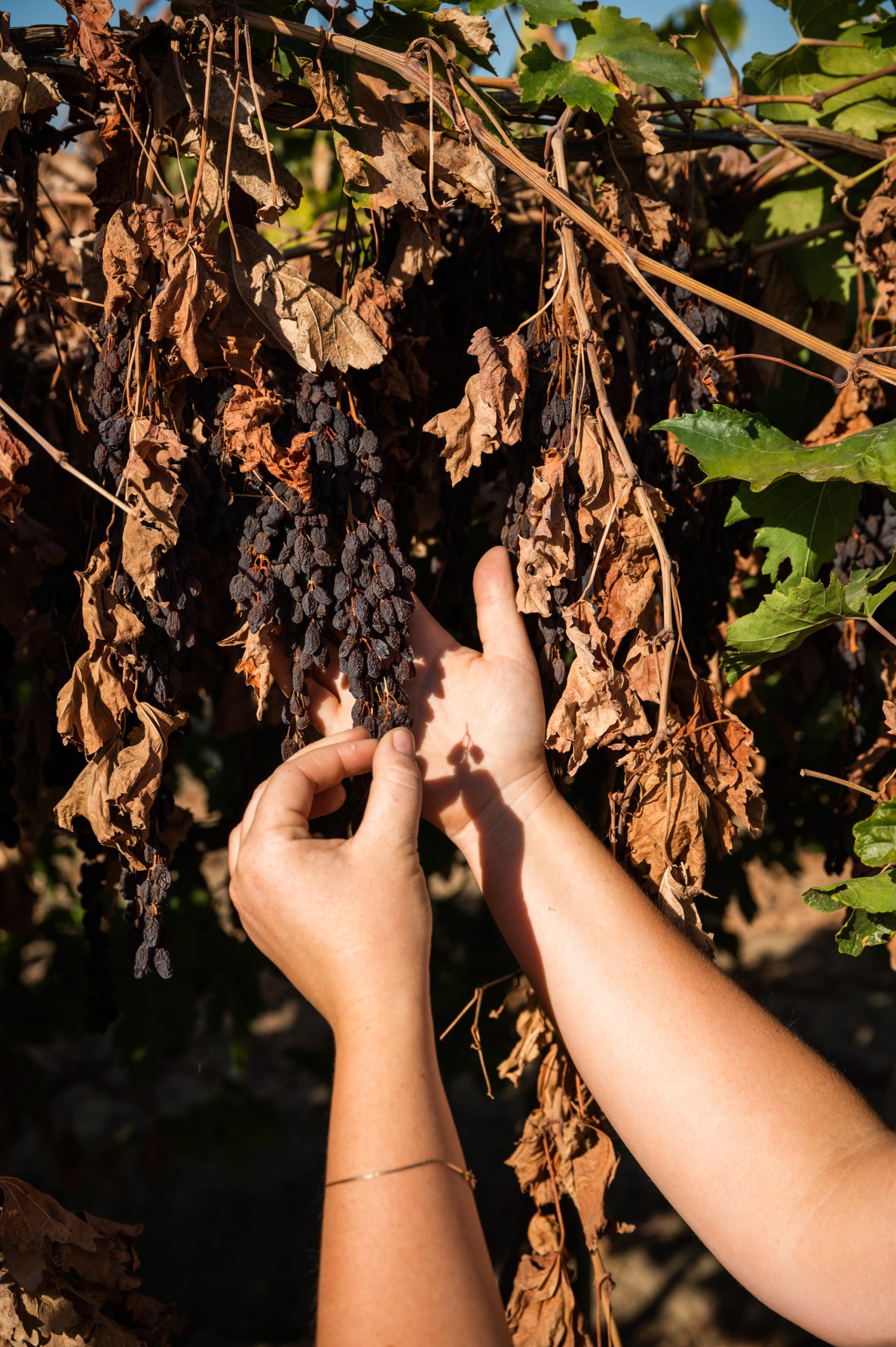
Growers throughout the Central Valley specialize in vine-dried raisins. While all raisins are sun-dried grapes, traditional raisins are harvested and then laid on paper trays between the rows to dry. Vine-dried raisins remain on the vine to dry naturally, making them a more sustainable option. Drying on the vine reduces labor, paper usage and post-process production. DOV raisins also boast a higher yield – double the tonnage per acre while using the same amount of water.
Solar power and renewable energy are among the most recognizable sustainability practices. Growers and producers across the state have embraced solar energy to make their operations more sustainable—nowhere more so than in the Central Valley. Bee Sweet Citrus, a Central Valley citrus grower, packer, and shipper, boasts a massive solar system spanning the entire roof of its 200,000-square-foot processing facility that powers much of its operations. Relying on solar power isn’t just environmentally sustainable, it’s economically sustainable – saving the company hundreds of thousands of dollars in energy costs each year.
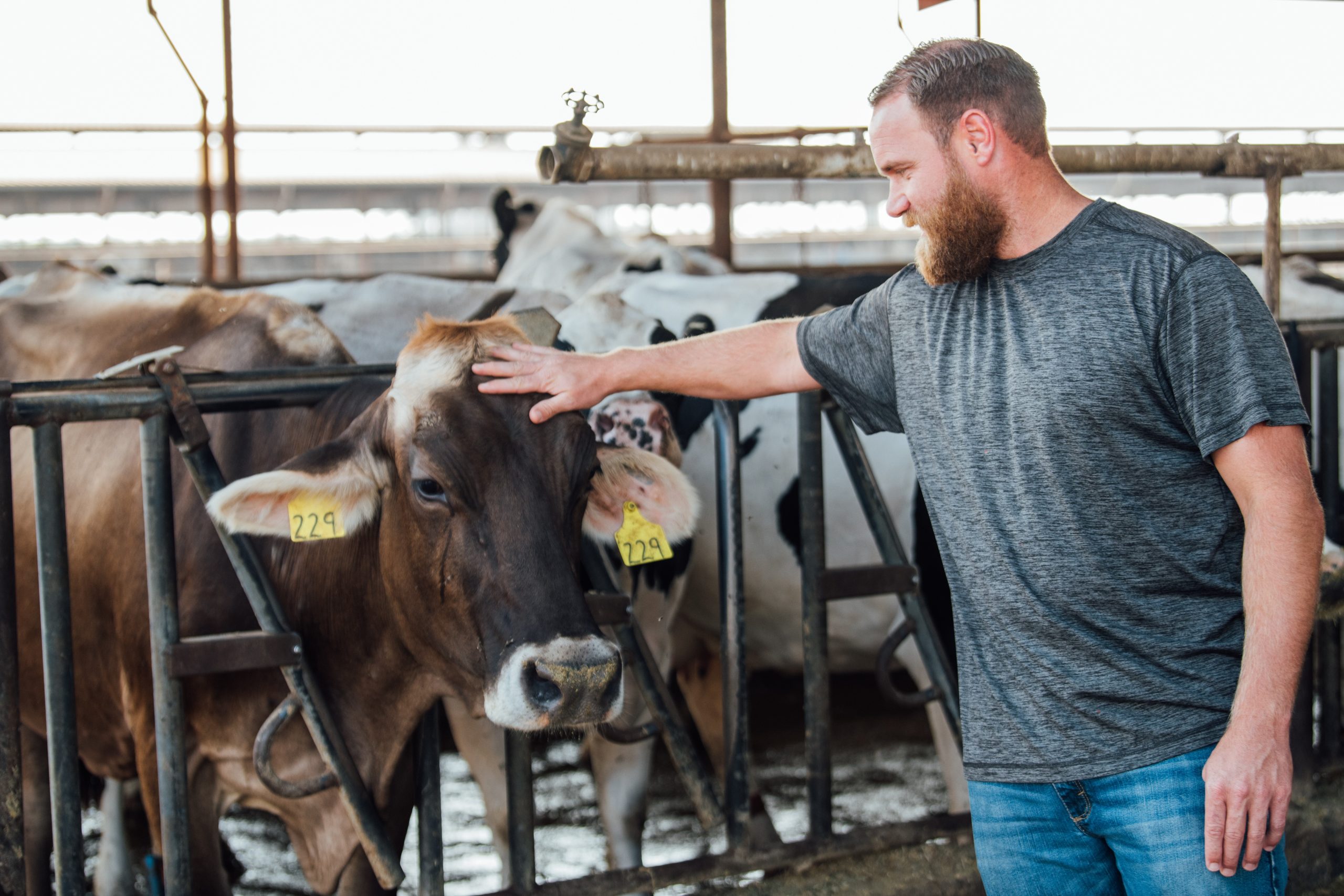
It’s no secret that Central Valley is home to the majority of California dairies – if you’ve ever driven down Highway 99 you’ve likely seen a fair number while traveling through. While dairies have been the source of countless click-bait headlines regarding their environmental impact, many local farm families are generating clean energy from an unexpected source – manure! At Fiscalini Farmstead, methane digesters create enough renewable energy to power the facility, along with an additional 300 homes.
Sierra Foothills
The Sierra Foothills of California, also known as Gold Country, are home to some of the state’s oldest orchards – some even dating back to the 1860s! This region was once a thriving agricultural area known for apples, stone fruit, citrus and winegrapes. Over time, production centers shifted, and many of these orchards and vineyards were abandoned.
Brendan Barnard, owner of Posterity Ciderworks, has made it his mission to seek out and rehabilitate old heirloom apple orchards throughout the Sierra Foothills. He explains, “When these orchards were abandoned, they were full-sized trees. They didn’t necessarily need irrigation and fertilization because they were growing down 30, 40, 50 feet, and they were able to tap into the native groundwater and grow in essentially a zero-input system.”
Once Brendan identifies an orchard he wants to restore, he partners with the property owners—teaching them how to properly care for the trees and, when needed, managing the orchard himself. The partnership benefits everyone involved: Brendan gains access to heirloom organic apple varieties, while landowners are compensated for their fruit – which helps fund future property maintenance and preserves the orchard.
Los Angeles County
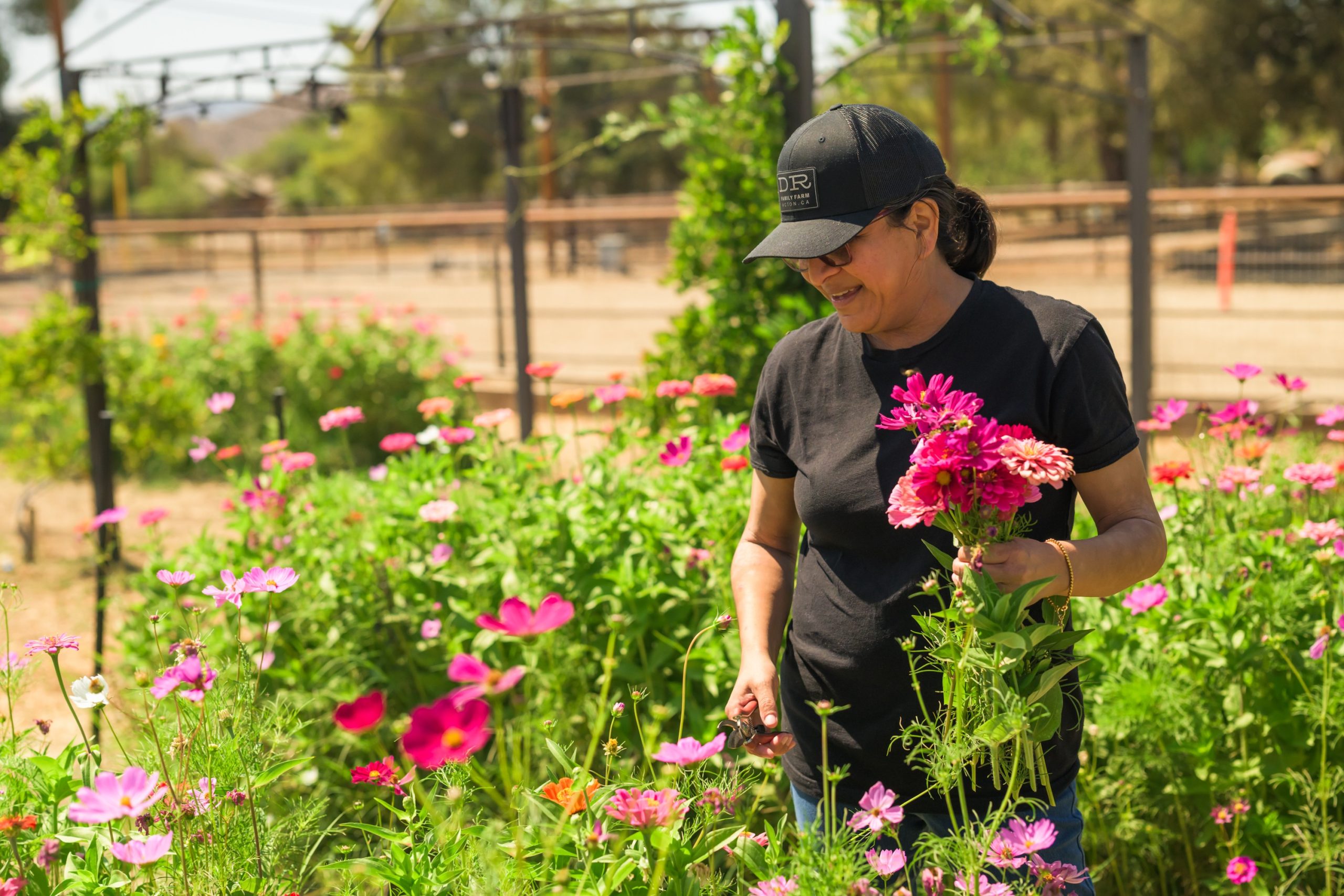
Sustainable agriculture doesn’t always require fancy technology. At DeBellis Ranch, a small family farm outside of Los Angeles, sustainability is much simpler. The U-pick flower farm employs native plants to attract pollinators, chooses drought-tolerant flower varieties like zinnias and ranunculus and boasts a unique method of “integrated pest management”. A team of adorable cats prowl the rows, eliminating threats like rats, rabbits and squirrels that would otherwise munch on the flowers. “We used to lose entire rows overnight,” owner Annji DeBellis shares with a smile. “Now? Our cats sleep in the rows and keep everything safe. And yes, we feed them, they just love to hunt.”
Yolo County
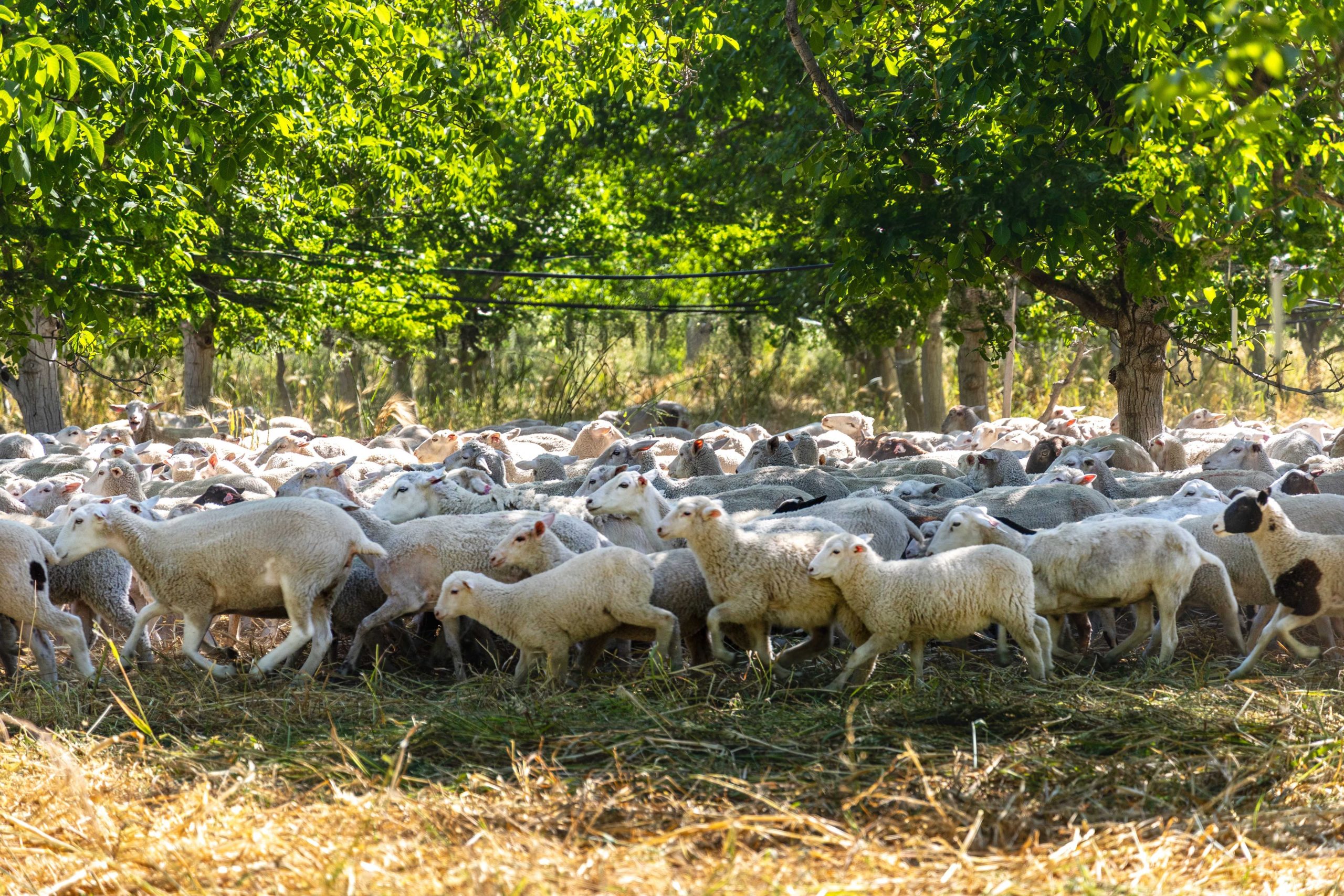
Sustainable, organic, and regenerative farming have distinct definitions, but many practices overlap. Sierra Orchards, a COOC certified walnut and almond grower in Yolo County California, embraces regenerative farming ideals – many of which also happen to be sustainable.
Cover crops are used extensively throughout the orchard to improve soil health and control weeds, pests, and diseases. Then, rather than tilling or mowing, hundreds of sheep are brought in to consume the cover crop. Sean McNamara, a second-generation farmer at Sierra Orchards explains, “The sheep incorporate the cover crop without the use of tillage. They package up those nutrients and organic matter into manure and urine, which is an amazing fertilizer. They help control insects and shoots and introduce more oxygen and sunlight to the inner orchard. Most importantly, the sheep reduce our tractor passes in half. So, whereas we would start mowing in March, we don’t have to start mowing until sometime in late June.”
San Diego
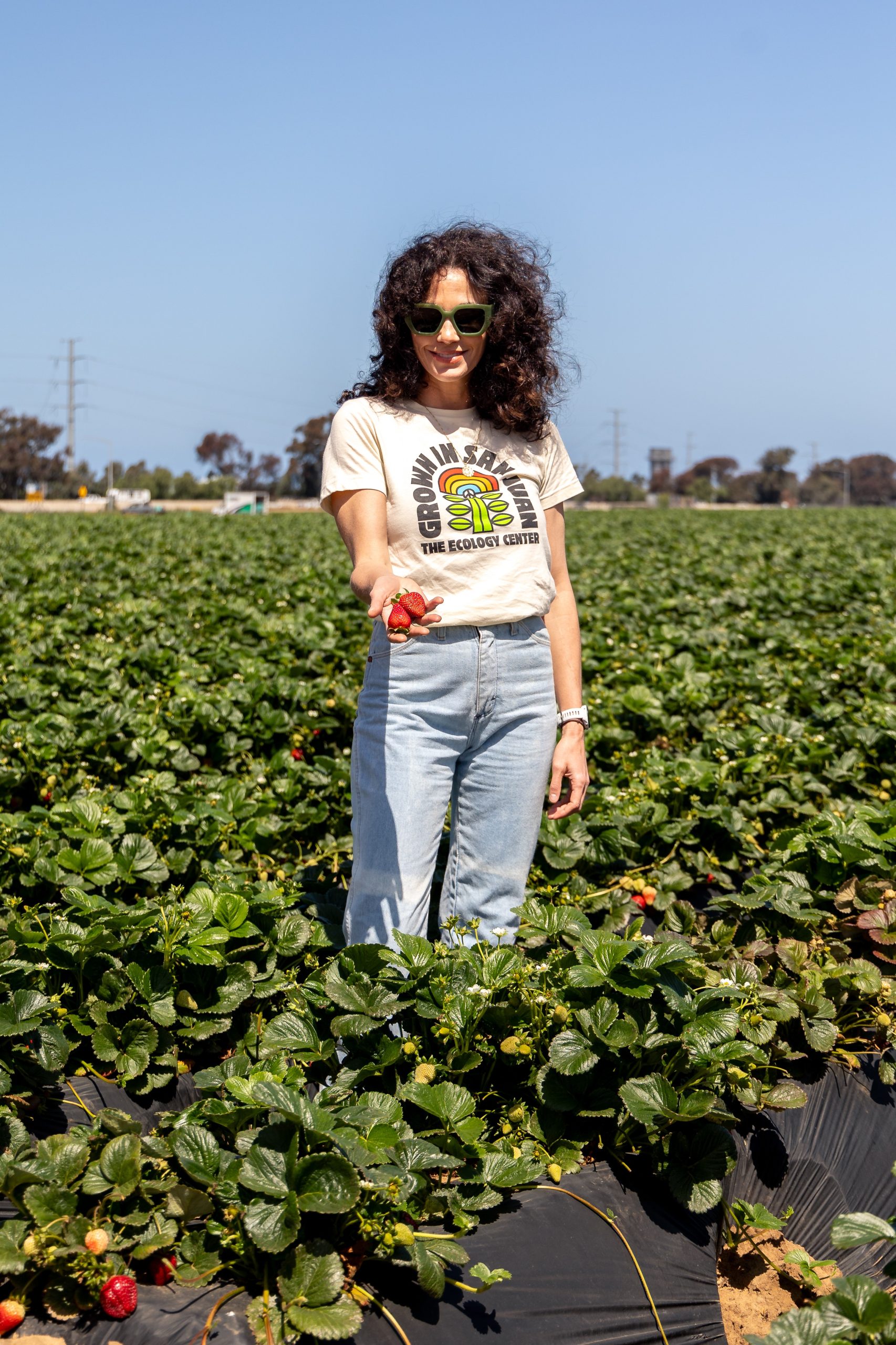
Carlsbad Strawberry Company is a popular U-pick farm in San Diego, California. The property has been in the family for generations, but as the San Diego metropolitan area expanded north, the once sleepy Carlsbad was suddenly prime real estate – and operation costs reflected this fact. In the early 2000s, owner Jimmy McNamara floated the idea of adding a few U-pick days at the end of the season to create a little extra income. His family initially laughed off the idea, but eventually relented.
Locals embraced Jimmy’s vision, and as word of mouth traveled, interest continued to grow. As word spread, the farm expanded the model to include seasonal events like pumpkin patches, corn mazes, and holiday celebrations.
The shift proved economically sustainable while also creating an opportunity to connect the community with agriculture. Jimmy notes, “People don’t know where their food comes from these days, and if they get to pick it and enjoy it, it’s really something else. Kids need to learn that the food doesn’t come out of a plastic bag or a clamshell.”
Article by Hilary Rance and photography by James Collier + Hilary Rance for CA GROWN.