



Glassy-winged Sharpshooter
As part of our “Know Your Pests” series leading up to California’s Invasive Species Council summit on October 1-2 in Sacramento, the California Department of Food and Agriculture (CDFA) is highlighting invasive pests and species that Californians should be aware of, and CDFA is also providing information on how to report any suspect pests.
Knowing what to look for and reporting a suspected pest or invasive species can help protect California’s agriculture, communities and natural resources.
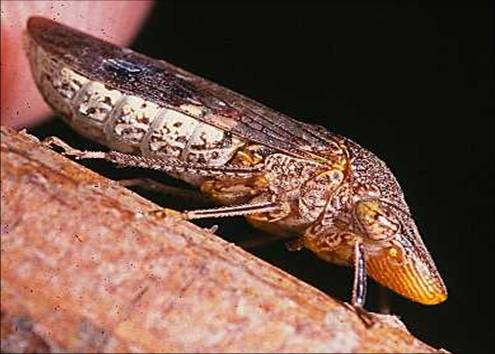
Know it
The glassy-winged sharpshooter (GWSS) is an invasive insect that feeds on a wide variety of plants.
GWSS is especially concerning because it can spread serious plant diseases, including Pierce’s disease, which kills grapevines. The pest can be very hard and expensive to control, which is why it’s critical to stop it from spreading beyond Southern California and the southern San Joaquin Valley.
Earlier this year, GWSS was found on grapevines and desert willows sold at select Costco locations, triggering immediate and widespread containment efforts by CDFA and county agricultural commissioners throughout Northern California. Officials are responding to public reports, conducting inspections and public outreach and trapping near stores and locations where purchased plants were taken. These efforts help contain infested plants to prevent GWSS from spreading.
Note: Contact Your Local County Agricultural Commissioner’s Office Right Away. Anyone who purchased these vines should contact their local agricultural commissioner immediately. To prevent the potential spread of the pest, CDFA officials urge customers to immediately contact their county agricultural commissioner.
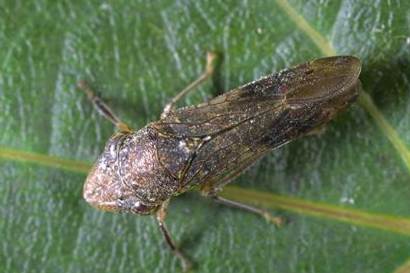
Spot it
Adult GWSS are about one-half inch long and are dark brown to black with yellow or cream-colored spots on the head and back. Their wings are transparent with prominent dark brown/black to reddish-brown veins, and appear somewhat smoky or glassy, giving the insect its common name.
GWSS can be found on a wide variety of plants, including grapes, citrus, stone fruit, oleander, Crape myrtle, privet and other crops, landscape plants and shade trees. Look for the insect on plant stems and leaves.
Why it matters?
GWSS poses a significant threat to California vineyards and crops because it spreads serious plant diseases.
GWSS can also make a mess around homes and neighborhoods. When feeding, it leaves sticky liquid that dries white on plants, fruits, cars, patios and other outdoor surfaces.
Keeping GWSS out of new areas is much easier and less costly than eliminating it after it becomes established. CDFA’s Pierce’s Disease Control Program helps prevent the spread of GWSS through trapping, inspections and treatments in urban areas and nurseries; nursery shipment safeguards; bulk citrus inspections; biological control; and rapid response when GWSS is found in new areas.
What to do?
Do you think you may have found GWSS?
Don’t move the insect or plants.
Take a photo, if possible, and report the suspected pest to the California Department of Food and Agriculture Pest Hotline: 1-800-491-1899
You can help stop the spread of GWSS by not moving plants in or out of your area and buying plants locally from licensed nurseries or retailers.
Protect your neighborhood by allowing agricultural crews to access your property for trapping, inspections and treatment, if needed.
Learn more about GWSS:
CDFA Pierce’s Disease Control Program
Learn more about California’s Invasive Species Council and the upcoming summit:
California Invasive Species Council, October 1-2 in Sacramento. Register now!